What Mechanical Breakdown Coverage Means for Beaumont Boat Owners
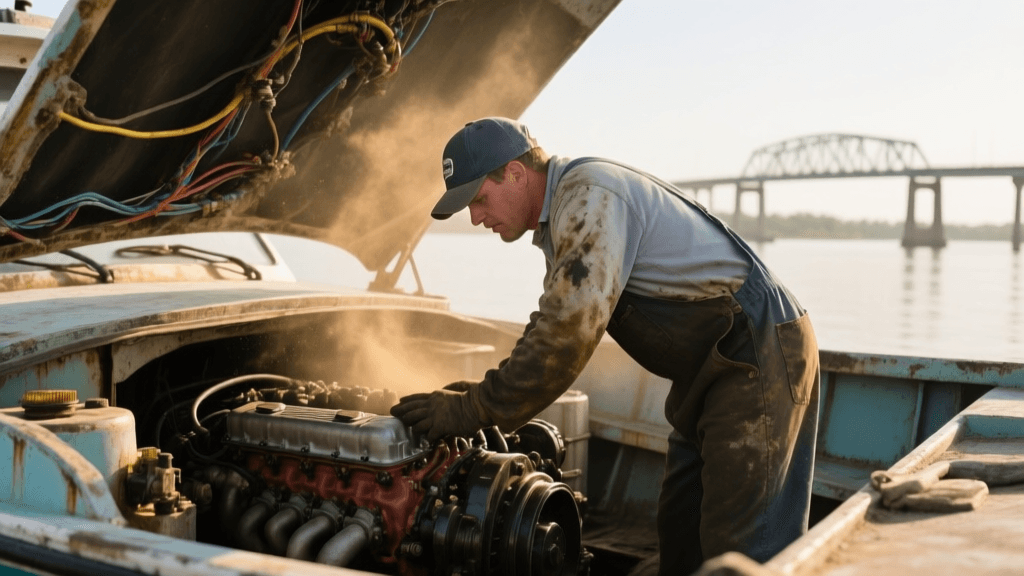
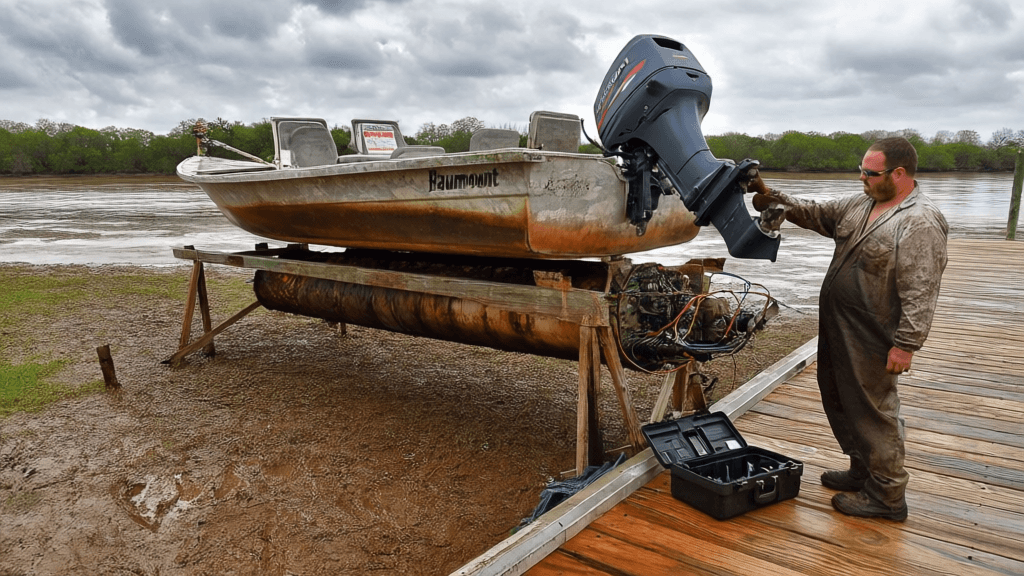
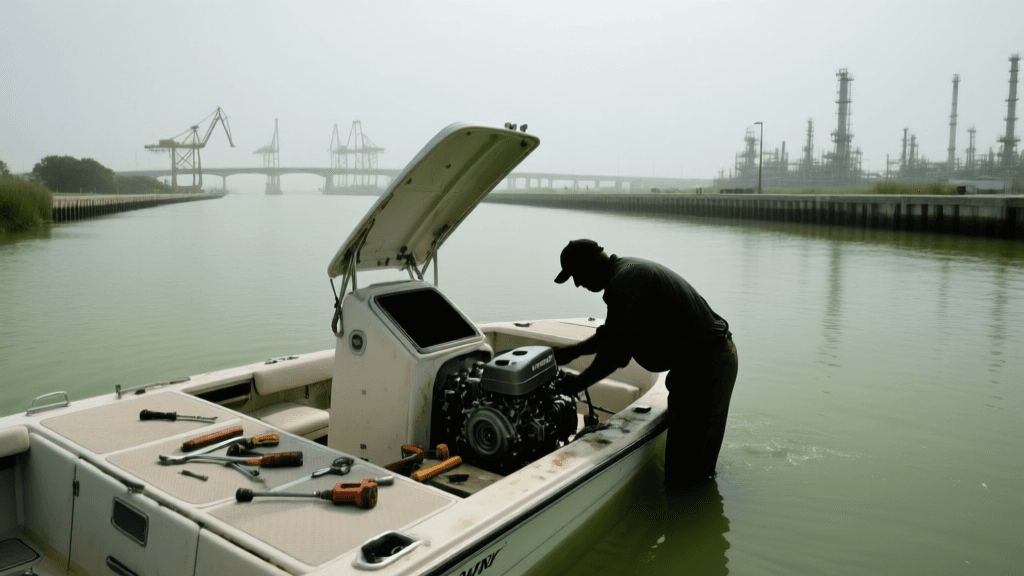
A boat engine that suddenly stops working can turn a planned day on the water into an expensive recovery and repair problem. Mechanical breakdown coverage may help pay for a qualifying failure of specified machinery, depending on the policy, the boat’s age and condition, and the cause of the damage. For Beaumont owners who use their boats on nearby waterways or make trips toward the Gulf, it is worth knowing what protection applies before a failure happens. This coverage is not automatically included in every boat policy, and the phrase itself does not promise payment for every engine problem. Reviewing the written terms is the best way to understand what is insured.
Why the Cause of a Failure Matters
Insurance generally distinguishes between a sudden, accidental event and a problem that develops gradually. Mechanical breakdown coverage may address a covered internal failure, such as a qualifying component suddenly failing while the boat is being operated. By contrast, a worn belt, neglected service, corrosion, or damage caused by continued operation after a warning may be excluded or treated differently. Southeast Texas heat, humidity, and time spent around salt or brackish water can make inspection and upkeep especially important, although local conditions alone do not determine whether a claim is covered. The policy language, maintenance history, and findings from a repair inspection all help establish what happened.
Mechanical Breakdown Is Not Routine Maintenance
Routine maintenance means the work needed to keep equipment functioning, such as changing engine oil, replacing filters and belts, flushing cooling systems, and following the manufacturer’s service schedule. Those predictable costs are ordinarily the owner’s responsibility, not an insured breakdown. Mechanical breakdown coverage, when offered, is typically aimed at a covered failure rather than gradual deterioration or an overdue service item. For example, a sudden failure of an eligible internal part could be reviewed differently from an engine damaged after an owner ignored overheating warnings. Keep dated service invoices, parts receipts, and notes about warning lights or unusual sounds. Clear records can help explain the condition of the boat and the sequence of events.
How It Differs From Physical Damage Coverage
Physical damage coverage generally addresses direct damage to the boat from covered events, subject to exclusions, deductibles, and the policy’s valuation terms. Depending on the contract, examples may include damage from a collision, fire, or certain weather events. Mechanical breakdown protection focuses more narrowly on eligible machinery failures and may be an endorsement or separate option rather than a standard part of the policy. A collision that damages an engine and an internal component failure with no collision are different claim circumstances. Ask how the policy treats resulting damage when a mechanical problem causes another loss, and whether machinery coverage has its own deductible. Do not assume that one coverage automatically fills gaps in the other.
Check Eligibility, Limits, and Exclusions
Before relying on this protection, check which engines and systems qualify. A policy may set requirements based on the boat’s age, engine type, horsepower, purchase date, inspection results, or maintenance records. It may also define a maximum payment per occurrence or across the policy term, and certain parts may be subject to depreciation or other settlement rules. Read exclusions for wear and tear, corrosion, faulty repairs, overheating, lack of maintenance, and damage caused by continued use after a problem appears. Ask whether towing, haul-out, diagnostics, labor, and related damage are included, limited, or excluded. These details can affect the final out-of-pocket cost just as much as the headline coverage limit.
Practical Questions to Ask Before Choosing Coverage
Start with the boat’s actual use and condition. A newer boat still under a manufacturer’s warranty may have different needs from an older vessel used frequently or kept in the water for long periods. Ask whether a warranty or service contract overlaps with the insurance option, and whether the policy coordinates with that protection. Confirm the waiting period, if any, and whether a mechanical inspection is required before coverage begins. Also ask how claims are handled when a failure occurs away from home, including whether emergency towing is treated separately. Beaumont boaters should keep the answers with the policy documents and avoid relying only on a verbal summary; written endorsements and exclusions control the coverage.
Local Considerations Around Beaumont and Nearby Waterways
Beaumont boat owners may use their vessels on inland waterways, travel toward Sabine Lake, or plan longer coastal outings, and the operating environment can shape the kinds of maintenance questions worth asking. Salt and brackish water exposure, humidity, storage choices, and long periods between outings can affect inspection needs. Owners in Vidor, Port Arthur, Nederland, Groves, and Orange may have different routes and storage arrangements, but the same basic rule applies: describe where and how the boat is used accurately when applying for coverage. Check any navigation territory, storage, and lay-up conditions in the policy, too. Mechanical breakdown coverage does not replace safe operation, routine servicing, or separate protection for towing and emergency assistance.
Key Takeaways for Comparing Policies
Details Worth Confirming
- Confirm the covered machinery and whether the boat and engine meet age, inspection, and maintenance requirements.
- Ask how the policy distinguishes a sudden covered failure from wear, corrosion, neglect, or a pre-existing problem.
- Compare the deductible, per-claim limit, policy-term maximum, and any depreciation or labor restrictions.
- Find out whether diagnostics, towing, haul-out, and damage resulting from a breakdown are covered or handled separately.
- Keep maintenance records and promptly document warning signs, repairs, and the circumstances of any failure.

Next Steps: Match Coverage to Your Boat
Gather the boat’s year, make, model, engine details, purchase information, and recent service records before comparing options. Then review the declarations, endorsements, exclusions, and claim limits together rather than judging a policy by its name. Ask for a clear explanation of how a likely repair scenario would be treated, including the deductible and any uncovered costs. If the boat is older, has prior engine trouble, or has been modified, disclose those facts and ask whether an inspection is needed. A careful comparison can show whether mechanical breakdown protection adds meaningful value alongside physical damage coverage, a manufacturer warranty, and an emergency towing plan. Coverage varies by insurer and contract, so use the written policy as the final reference.
Compare Boat Coverage With Confidence
Review your boat’s details and policy terms to see which protection fits your machinery, usage, and budget.
Get a Free Quote