Why Preventive Boat Maintenance Matters in Beaumont
A boat that starts reliably and runs within normal temperature limits is safer and more enjoyable to use. In Beaumont, where boaters may travel to nearby waterways, launch on weekends, or leave a vessel stored between outings, small maintenance issues can become inconvenient failures at the wrong time. A weak battery, restricted cooling flow, or aging fuel line may not be obvious during a quick pre-trip glance. A regular inspection routine helps catch those clues before they interrupt a trip or lead to additional damage. This guide explains what to check, when to seek service, and how clear records can help when discussing a boat’s condition with an insurer.
Local Conditions Make Consistent Checks Important
Southeast Texas brings heat, humidity, rain, and periods of heavy use that can put steady demands on a boat. Moisture and temperature swings may contribute to corrosion at electrical connections, while long idle periods can leave fuel and batteries in less-than-ideal condition. A boat used around Beaumont, Port Arthur, Orange, or Bridge City may also encounter different operating patterns, from frequent short trips to longer outings. Follow the engine and vessel manufacturers’ service schedules rather than relying on a single calendar rule. After a storm, extended storage, or unusually demanding trip, look for leaks, loose fittings, and visible damage before heading back out.
Protect the Engine With Routine Inspection
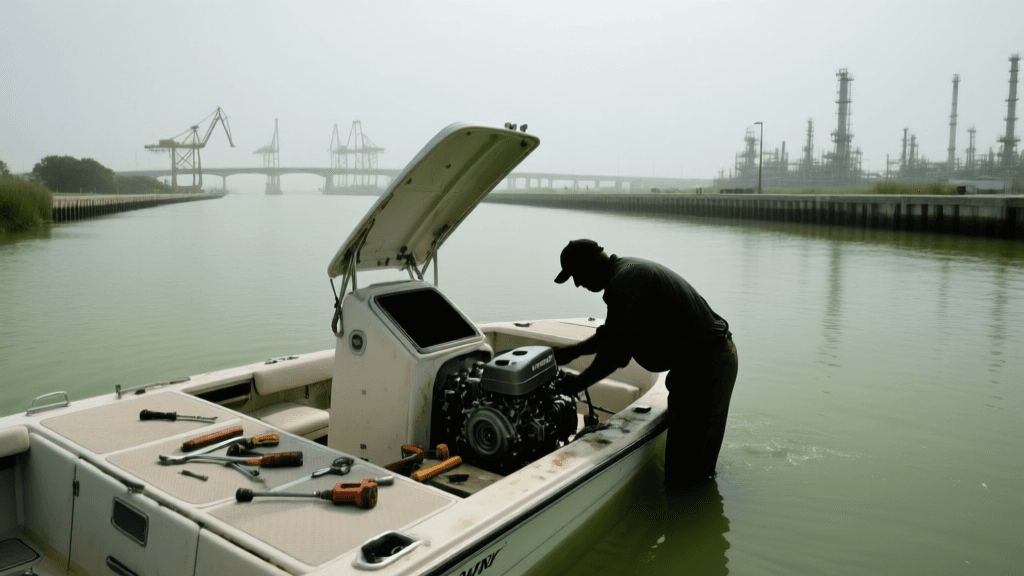
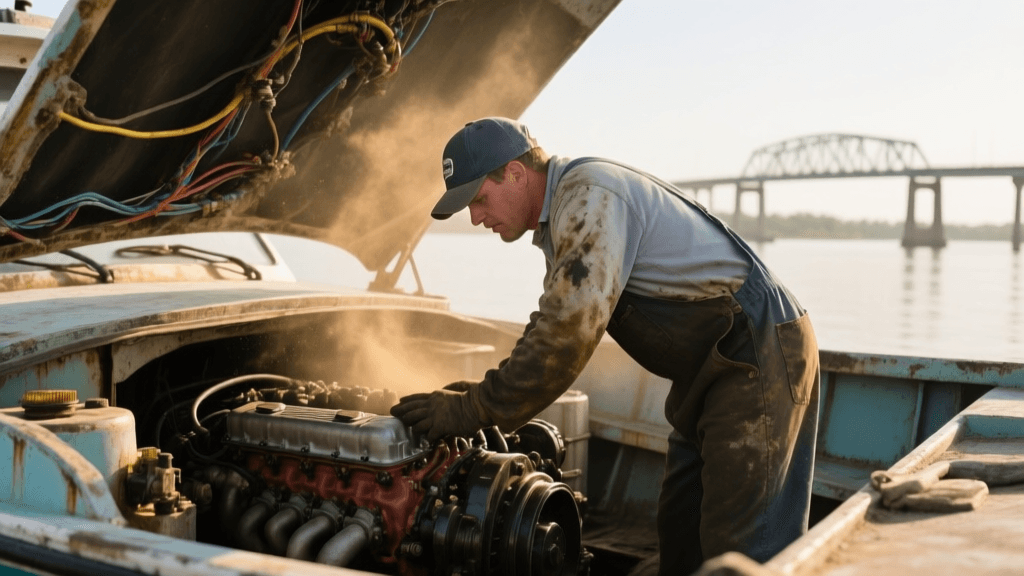
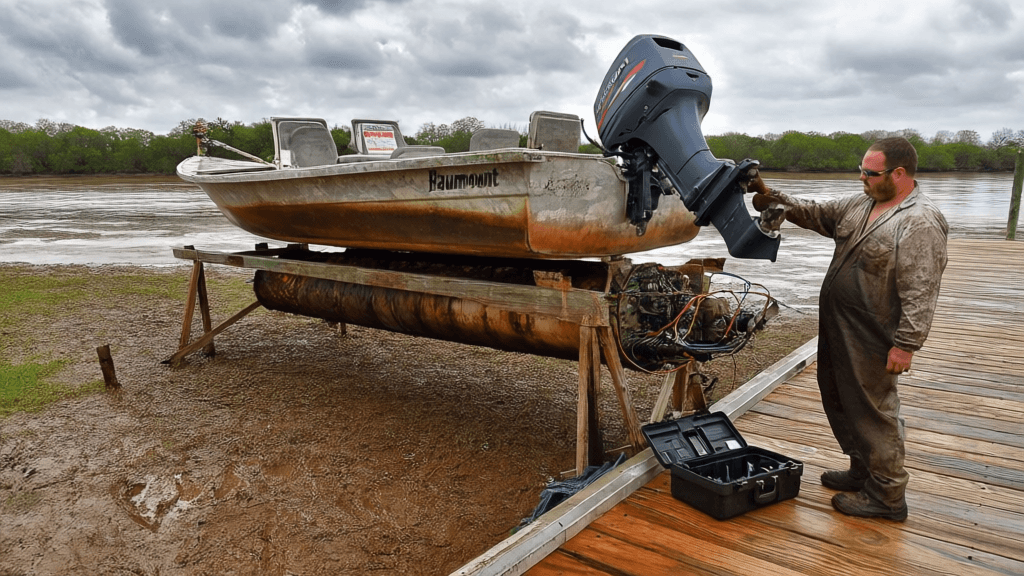
Start with the checks appropriate to the engine type and follow the owner’s manual for service intervals. Before use, look for fluid leaks, damaged hoses, loose clamps, unusual corrosion, and belts that appear cracked or excessively worn. Check oil and other required fluids as directed by the manufacturer, and pay attention to changes in starting, sound, vibration, exhaust, or performance. These changes do not always mean a major failure is imminent, but they are reasons to investigate rather than continue operating without a closer look. Arrange qualified service for warning indicators or repairs beyond your skill level. Keep receipts and note the date, engine hours, and work completed so future maintenance decisions have a reliable basis.
Keep the Cooling System Clear and Functional
An engine’s cooling system helps control operating temperature, so reduced water flow or a failing component deserves prompt attention. For an outboard, inspect the water intake area for debris and watch for the expected cooling-water indicator stream when the engine is running, following the manual’s instructions. For inboard systems, hoses, pumps, belts, strainers, and heat exchangers may require inspection or service according to the vessel design. Never treat an overheating warning as a minor inconvenience; continuing to run an overheated engine can make damage worse. If temperature rises unexpectedly or cooling flow appears abnormal, stop safely and have the cause diagnosed. Seasonal inspection is especially useful before periods of heavier boating around Beaumont.
Reduce Fuel-System Problems Before They Start
Fuel-related problems can show up as hard starting, rough running, loss of power, or an engine that stalls. Inspect accessible fuel lines, primer bulbs, fittings, and connections for cracks, softness, leaks, or deterioration, and replace components according to manufacturer guidance. Use the fuel type and storage practices recommended for the engine; do not assume that an additive or long storage period eliminates the need for proper care. If fuel smells strong or a leak is visible, avoid starting the engine and address the hazard promptly. Keep fuel-system work and repairs documented. A Beaumont boater who uses a vessel intermittently may benefit from asking a qualified marine technician how to manage fuel for that specific engine and storage setup.
Check Batteries and Electrical Connections
A battery that is discharged, aging, or poorly connected can leave a boat unable to start and may affect other onboard equipment. Check the battery case for swelling, cracks, or leakage, and inspect terminals and cables for looseness or corrosion. Keep connections clean and secure using safe procedures in the owner’s manual, and use a charger or maintainer suited to the battery type when storage conditions call for it. Avoid guessing at battery condition based only on age; a proper test can help identify declining capacity. If the vessel has multiple batteries or a complex charging system, ask a marine professional to inspect it. Record replacements and electrical repairs so the vessel’s service history stays current.
Local Maintenance Habits for Beaumont-Area Boaters
Build the routine around how and where the boat is actually used. Owners near Beaumont who trailer a vessel may want to include a walk-around after towing, checking visible wiring, fuel connections, and signs of impact before launch. Boaters traveling from Nederland, Port Neches, Groves, Vidor, or Lumberton can use the same checklist while tailoring storage and service timing to their engine and usage. Before a longer outing, confirm that safety equipment is in place and that the engine has no unresolved warning signs. After a trip, note anything unusual while it is still fresh. Local heat, moisture, and periods of inactivity make a simple written log more useful than relying on memory.
A Practical Maintenance Routine
- Before each outing, check for visible leaks, damaged hoses, secure battery connections, and unusual engine warnings.
- Follow the manufacturer’s schedule for oil, filters, cooling components, fuel-system service, and other engine-specific work.
- After storage or a demanding trip, inspect the boat carefully and investigate changes in temperature, sound, vibration, or starting.
- Keep dated receipts and a log of engine hours, inspections, repairs, and replaced parts.
- Ask the insurer what maintenance documentation or vessel-condition information is relevant to eligibility and coverage.

Why Service Records Can Matter for Insurance
Maintenance and insurance serve different purposes: maintenance helps reduce avoidable failures, while a policy responds only to covered losses under its terms, conditions, and exclusions. Mechanical breakdown may be treated differently from sudden accidental damage, and coverage varies by insurer and policy. Do not assume that a policy will pay for ordinary wear, neglected maintenance, or a component that fails simply because it is old. When requesting or reviewing coverage, describe the boat accurately, including its age, engine, use, storage, and known mechanical issues. Service invoices and inspection records can help support those details and answer underwriting questions. Ask directly whether mechanical breakdown, towing, or related expenses are included, limited, or excluded.
Next Steps: Maintain the Boat and Review Coverage
Choose a maintenance schedule based on the owner’s manual, engine hours, storage conditions, and advice from a qualified marine technician. Address abnormal temperatures, fuel odors, warning lights, leaks, and starting trouble before the next trip rather than hoping the symptom disappears. Keep a simple log with dates, work performed, receipts, and any follow-up recommendations. Then review the boat insurance policy or speak with a licensed insurance professional to understand how the vessel’s age, condition, use, and maintenance history affect eligibility and covered losses. Beaumont-area boat owners can compare policy terms and ask specific questions about mechanical failure, towing, and exclusions. Clear records and realistic expectations make that conversation more productive.
Review Your Boat’s Maintenance and Coverage
Compare boat insurance options and ask a licensed professional how vessel condition and mechanical breakdown provisions apply to your situation.
Get a Free Quote