Why Breakdown Preparation Matters Around Beaumont
A disabled boat can turn a pleasant day on the water into a stressful situation, especially if the engine quits away from a launch, the weather changes, or the boat begins drifting toward a busy channel. Around Beaumont, boaters may travel the Neches River, reach Sabine Lake, or head toward connected waterways where conditions and distances vary. Preparation does not guarantee a trouble-free outing, but it can help you identify problems early and communicate clearly if assistance is needed. This guide covers the checks to make before departure, what to keep aboard, and how to determine whether your policy includes on-water towing or related emergency help.
Local Conditions Can Complicate a Simple Mechanical Problem
Southeast Texas boating brings a mix of heat, humidity, sudden showers, and changing wind conditions. On a hot day, a cooling-system issue or fuel problem may become more apparent after the engine has been running for a while. Rain or reduced visibility can make it harder to identify landmarks and relay your location. River traffic and the open stretches around Sabine Lake also make it important to keep the boat under control if propulsion fails. Before a trip, check the marine forecast and any relevant navigation notices, tell someone your planned route and return time, and adjust the outing if conditions exceed your crew’s experience or equipment.
Check the Engine, Battery, and Fuel Before Launch
A careful walk-around and basic engine check can reveal issues before they leave you stranded. Follow the manufacturer’s maintenance schedule, inspect hoses and belts for wear, check oil and coolant where applicable, and look for leaks or corrosion around connections. Confirm the battery is charged and terminals are secure, and test the ignition and instruments according to the owner’s manual. Estimate fuel needs for the entire trip, including a reserve for detours, idling, or changing conditions; do not rely on a gauge that has been unreliable. If the engine has been sitting between seasons, arrange appropriate servicing rather than treating a successful start at the dock as proof that it is ready for a longer run.
Carry Reliable Communication and Safety Equipment
Keep required safety equipment aboard, in working order, and accessible rather than buried under bags or fishing gear. Match life jackets to the people aboard and make sure everyone knows where they are. A charged phone in a waterproof case is useful, but coverage and battery life should not be your only plan. Consider a marine VHF radio appropriate to your boat and route, and learn how to use it before an emergency. A whistle, sound-producing device, navigation lights, first-aid supplies, flashlight, and a properly maintained fire extinguisher can also matter depending on the situation and applicable requirements. Check current Texas and federal boating rules for the equipment required for your vessel and type of operation.
What to Do When the Boat Loses Power
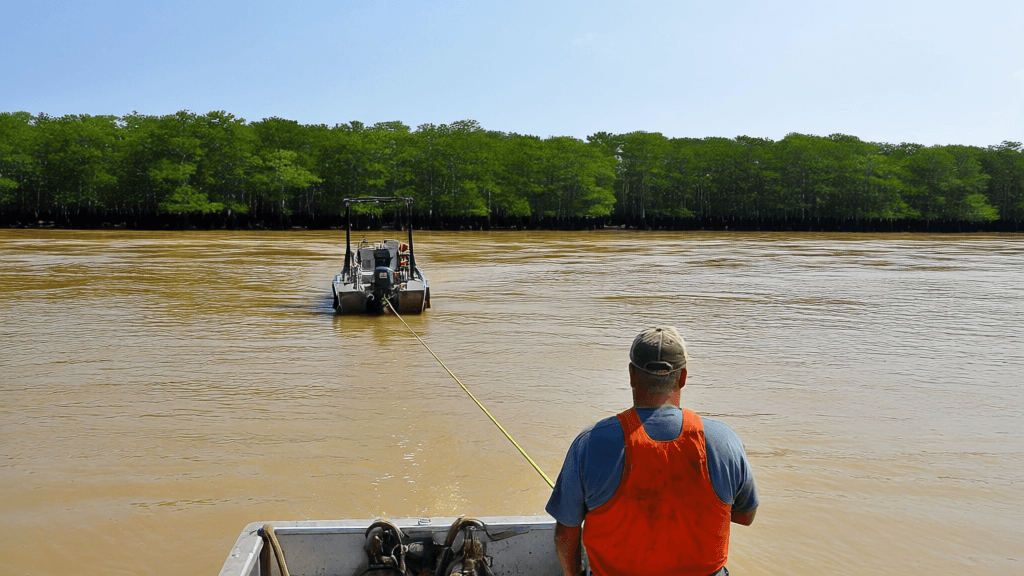
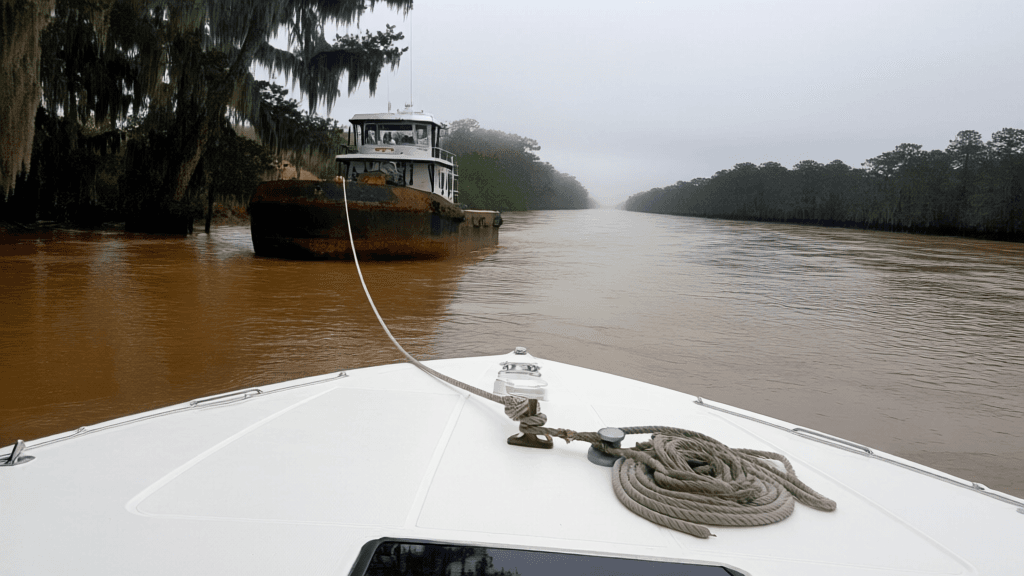
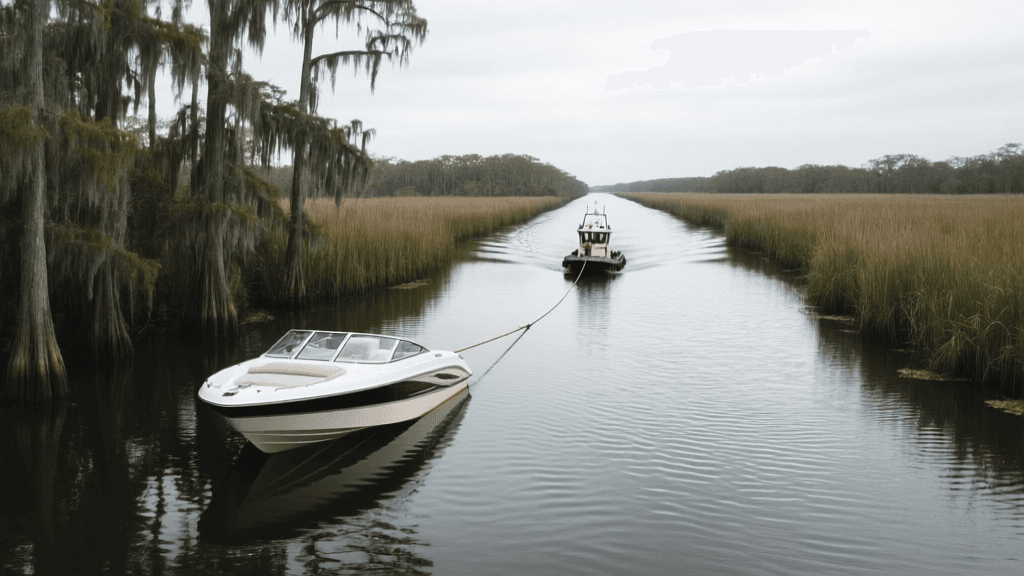
If the engine stops, first account for everyone aboard and put on life jackets, particularly if the boat is drifting, the water is rough, or visibility is declining. Check for immediate hazards such as smoke, fuel odor, flooding, or nearby traffic, and avoid restarting the engine if doing so could worsen a suspected mechanical or fuel problem. Use an anchor when it is safe and appropriate to prevent drifting, then identify your position using a chart, GPS, recognizable landmarks, or a location-sharing device. Contact emergency services for a threat to life or an urgent safety hazard; request non-emergency towing for a disabled but stable boat. Give responders your location, boat description, passenger count, and the nature of the problem.
Understand What Boat Towing Assistance May Cover
Boat insurance policies differ, so do not assume that a standard policy automatically pays for every tow. On-water towing or emergency assistance may be included, available as an endorsement, or offered through a separate service arrangement. The terms can specify eligible situations, service limits, approved providers, reimbursement procedures, and whether assistance applies only within a defined area. Read the policy and service details before launch, and save the correct contact number where it can be reached without internet access. Ask whether you must call a designated provider, obtain approval before arranging a tow, or pay first and submit documentation later. Keep receipts and record the date, location, reason for service, and provider’s details.
Plan for Beaumont, Sabine Lake, and Nearby Launch Areas
A route that begins near Beaumont may take you onto the Neches River or toward Sabine Lake, where the distance to a suitable landing point can change what kind of help is practical. Before leaving, note your launch point, intended stops, and likely return route, then share that plan with a person on shore. Boaters traveling from Vidor, Orange, Port Neches, Groves, Nederland, Port Arthur, Bridge City, or nearby communities should check local access information and weather for the actual waterway, not just the conditions at home. Keep a chart or navigation app available, but know how to describe your location without relying on a single device. Local familiarity helps, yet changing water and weather still call for a backup plan.
A Practical Pre-Departure Checklist
- Inspect the engine, battery, fuel supply, steering, and visible hoses before launching, and postpone the trip if a safety-critical issue remains unresolved.
- Check the forecast and route, allow fuel reserve, and tell a shore contact when and where you expect to return.
- Confirm life jackets, communication devices, navigation tools, and required safety equipment are aboard, working, and easy to reach.
- Review your policy or assistance plan for towing limits, provider rules, contact procedures, and any required approval before service.
- Save emergency and towing contacts offline, and make sure the crew knows how to share the boat’s location.

Choose Your Next Steps Before the Next Outing
Use the next few days to check your boat’s maintenance records, replace expired or damaged safety items, and test communication equipment. Then read your policy documents to see whether towing assistance is included and how to request it. If the terms are unclear, ask the insurer or policy representative to explain covered circumstances, limits, service areas, and claim or reimbursement steps; compare those details rather than judging a plan by its name alone. Keep the answers with your onboard emergency information and review them whenever your boat, route, or policy changes. A short preparation routine can make a breakdown easier to manage and help you decide promptly whether the right response is troubleshooting, towing, or emergency assistance.
Make Your Breakdown Plan Before You Launch
Review your boat’s readiness and confirm how your policy handles towing assistance before your next Southeast Texas trip.
Get a Free Quote