Why Boat Towing Assistance Matters Around Beaumont
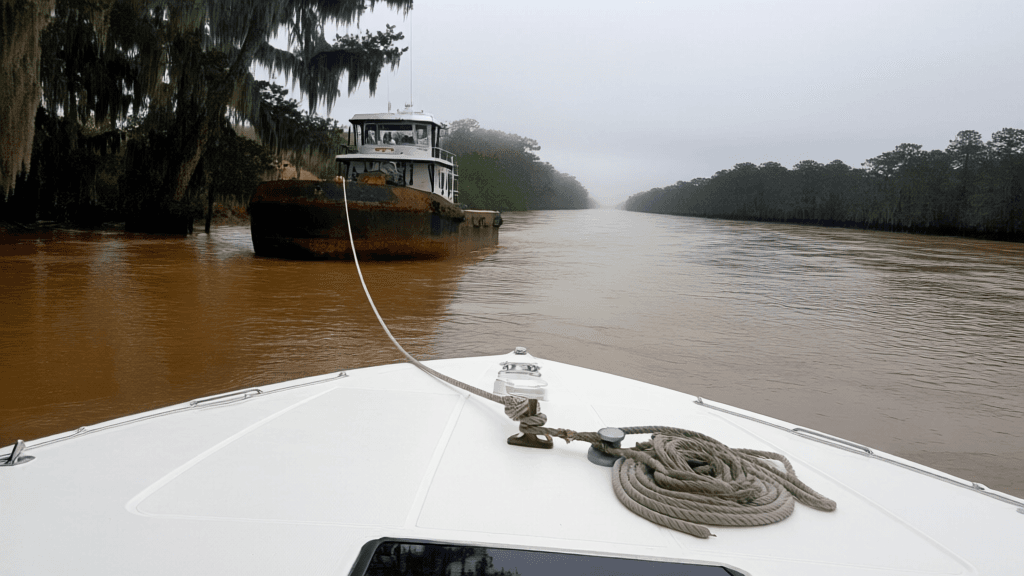
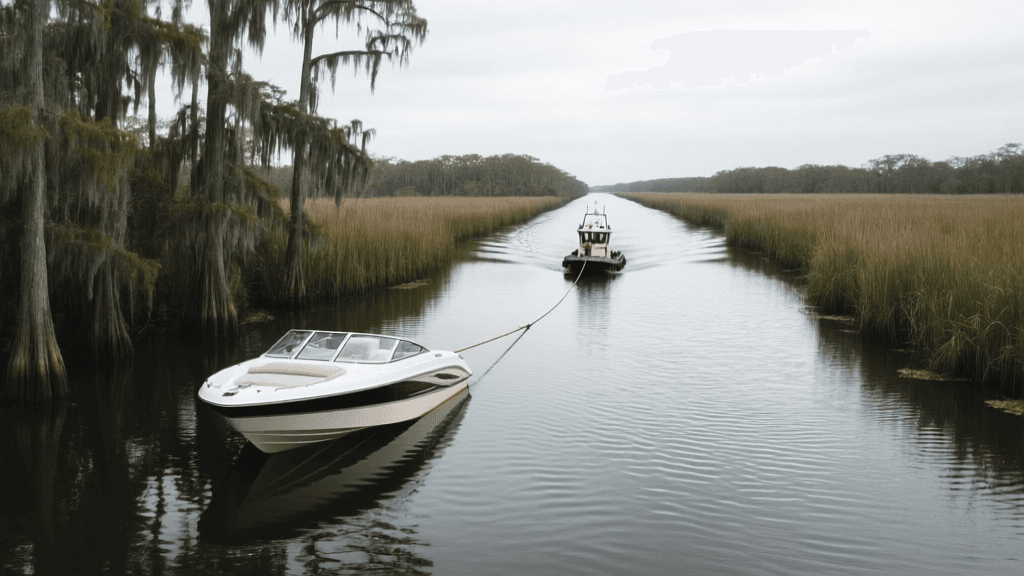
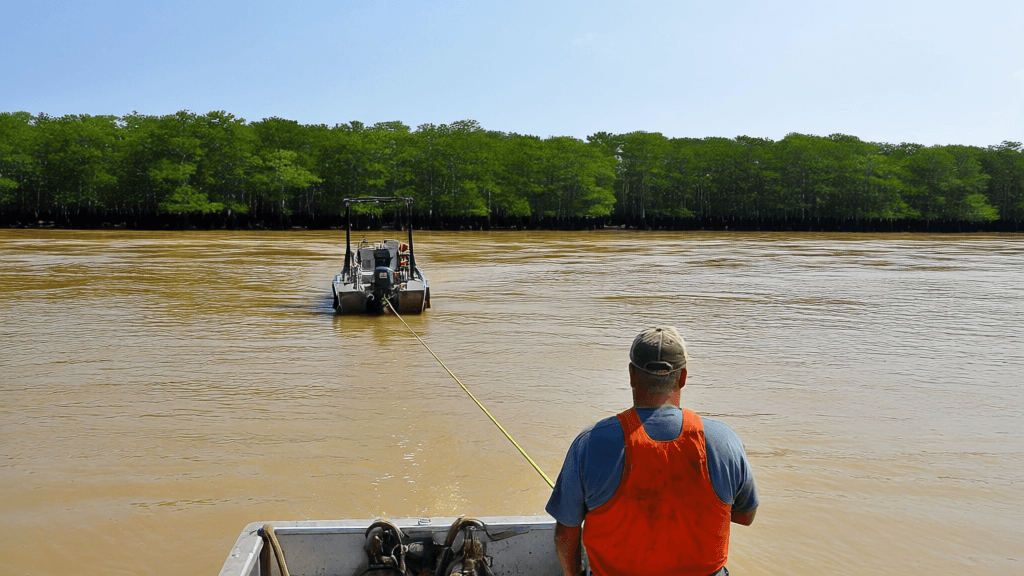
A boat that will not start can quickly turn a relaxed outing into a difficult situation. Around Beaumont, owners may travel along the Neches River, launch for a day on nearby waterways, or make longer trips toward the coast, where help may not be as close as it appears from shore. Boat towing assistance is a service benefit that can arrange a tow or certain emergency help when a covered boat becomes disabled. It is not automatically included in every boat policy, and it may be offered as an endorsement, a separate membership, or another service arrangement. Knowing how it works before leaving the dock helps you make practical decisions under pressure.
What The Benefit May Cover
Boat towing assistance commonly focuses on getting a disabled vessel to a safe location, such as a marina, launch, or other approved destination. Depending on the contract, eligible incidents may include engine failure, a dead battery, a mechanical problem, or running out of fuel. Some plans may arrange fuel delivery, jump-start assistance, or an on-water technician, while others primarily reimburse or coordinate a tow. A grounding, salvage operation, or tow caused by an excluded circumstance may be treated differently from an ordinary breakdown. Read the actual policy or service agreement rather than assuming every problem is included, and check whether the benefit pays the provider directly or requires you to submit receipts afterward.
Common Situations And How They Differ
Consider a Beaumont-area boater whose engine stalls during a return trip. If the cause is a covered mechanical failure and the boat is within the service territory, dispatch may send a towing provider. A separate case is a vessel that runs short of fuel after an unexpectedly long route; some plans may deliver fuel, but the fuel itself could be charged to the owner even when delivery is included. A dead battery might qualify for a jump-start, while a damaged propeller after striking an underwater obstacle could involve repair, towing, or both, subject to policy terms. These examples are not guarantees of payment. The cause of the problem, the boat’s location, and the precise benefit wording can all affect eligibility.
Check Limits, Fees, And Exclusions Before You Need Help
The word “towing” does not mean unlimited service. A plan may cap the number of calls, reimburse only up to a stated dollar amount, restrict the distance of a tow, or require use of an approved provider. Ask whether mileage, labor, fuel, dispatch fees, and after-hours charges are handled separately. Also check how the contract treats grounding, salvage, hazardous conditions, unattended boats, and problems caused by a lack of maintenance. A service plan may differ from insurance coverage: one can coordinate a response while the policy determines whether a loss or expense is insured. Save the benefit documents where they are accessible on the water, and note the claims or dispatch number before departure.
Dispatch Details That Can Speed Up A Response
When requesting assistance, dispatchers need a reliable location and a clear description of the problem. Have the boat’s registration details, make and length, passenger count, current fuel or battery status, and nearest landmark ready. A phone map pin can help, but explain whether you are on the Neches River, near a launch, or in another specific channel or waterway; GPS coordinates are useful when available. Tell the dispatcher about weather, current, shallow water, hazards, and whether anyone is injured or in immediate danger. Do not leave the vessel or attempt an unsafe tow. If there is an emergency threatening life or safety, contact emergency services first, then follow the assistance provider’s directions.
Verify The Navigation And Service Area
A benefit’s service territory may not match the geographic area you think of as local. Before relying on it around Beaumont, confirm which waterways, launch points, marinas, and coastal routes are included, and whether the plan has a boundary, distance-from-shore rule, or seasonal restriction. If you occasionally travel from the Neches River toward Port Arthur or farther along the coast, ask specifically whether assistance follows the boat across those waters. Owners who launch near Vidor, Orange, Port Neches, Groves, Nederland, Bridge City, or other nearby communities should verify that their usual routes and destinations are eligible too. Request the answer in the policy documents or written service terms, especially when a route crosses into another provider’s territory.
Beaumont-Area Planning For Local Conditions
Local trips can involve changing water levels, current, traffic, weather, and a mix of river and coastal navigation, so the safest assistance plan is one suited to the actual route. A boat kept in Beaumont but launched elsewhere may have different practical access to towing providers than one regularly used near Port Arthur or Orange. Before a weekend outing, confirm your service number works from the water, charge your phone, carry a backup power source, and keep required safety equipment aboard. For longer trips, share your route and expected return time with someone on shore. These preparations do not expand policy coverage, but they can make a valid service call easier to coordinate and reduce confusion if a breakdown occurs.
What To Confirm Before Launching
- Check whether towing assistance is included in the boat policy, offered as an add-on, or provided through a separate membership.
- Review per-call limits, tow-distance rules, call frequency limits, covered services, reimbursement steps, and possible fees.
- Confirm the exact navigational territory, including your usual Beaumont-area waterways and any coastal destinations.
- Store the dispatch number and policy documents where they are accessible, and keep vessel and GPS information ready.
- Ask how mechanical failure, fuel delivery, battery service, grounding, salvage, and after-hours calls are treated.

Next Steps: Compare Assistance Terms Before You Go
Start by finding the towing or emergency-assistance wording in your current policy and identifying what is included, what is excluded, and how to request service. If the benefit is unclear, ask the insurer or service provider for written details about limits, eligible waters, approved dispatch procedures, and payment responsibilities. When comparing options, consider the boat’s size, typical routes, where it is stored, and how far it may travel from familiar marinas. Beaumont owners who make occasional trips toward Orange, Port Arthur, or other nearby destinations should evaluate those routes directly rather than relying on a broad phrase such as “local waters.” A careful review before departure can help you choose protection that fits your boating habits without treating assistance as a substitute for maintenance or safe navigation.
Review Your Boat Assistance Options
Compare towing benefits, service limits, and navigational areas before your next Beaumont-area outing.
Get a Free Quote