Why Trailer Coverage Deserves a Closer Look
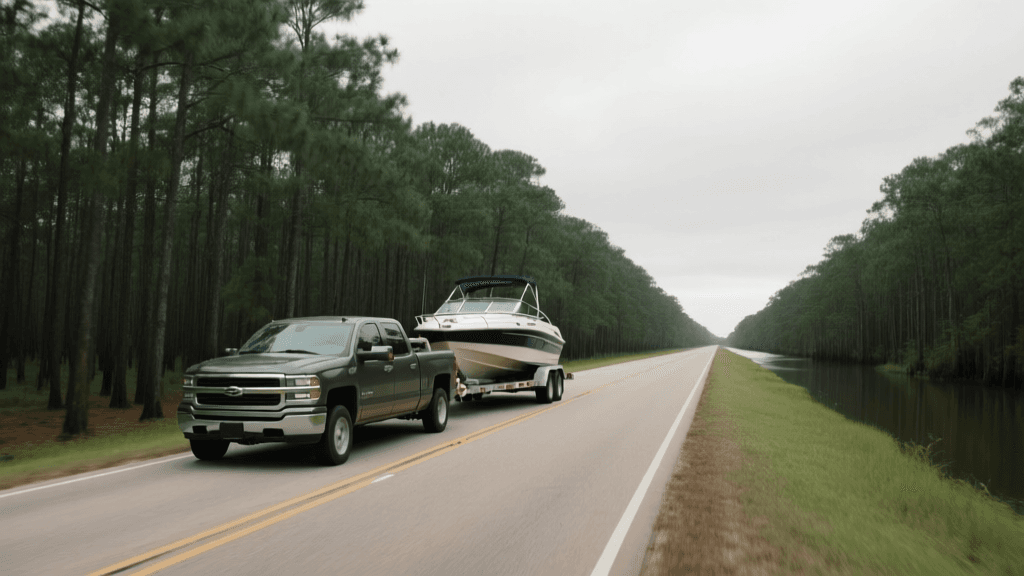
A boat trailer is more than a way to move a boat: it is a separate piece of equipment that can be damaged, stolen, or involved in a road accident. For Beaumont owners, trips to nearby launch points and waterways can mean highway miles, changing weather, and time spent parking or storing the rig between outings. Boat insurance may not automatically protect a trailer, or it may provide only a limited amount. Before the next trip, find out whether your policy lists the trailer, what kinds of damage are covered, and how the insurer would determine its value. Those details can prevent an unpleasant surprise after a loss.
How Trailer Coverage Typically Works
Trailer physical damage coverage may pay for eligible repairs or a covered total loss after an event described in the policy, subject to its deductible, limit, exclusions, and settlement method. Covered events may include certain collisions, theft, fire, or weather damage, but no single list applies to every contract. Liability coverage for a vehicle towing a trailer is a different issue from insurance that repairs or replaces the trailer itself. Read the policy wording and declarations rather than assuming that an auto or boat policy covers every scenario. Ask whether protection applies while towing, parked at home, or stored elsewhere.
Identify the Trailer and Its Use Accurately
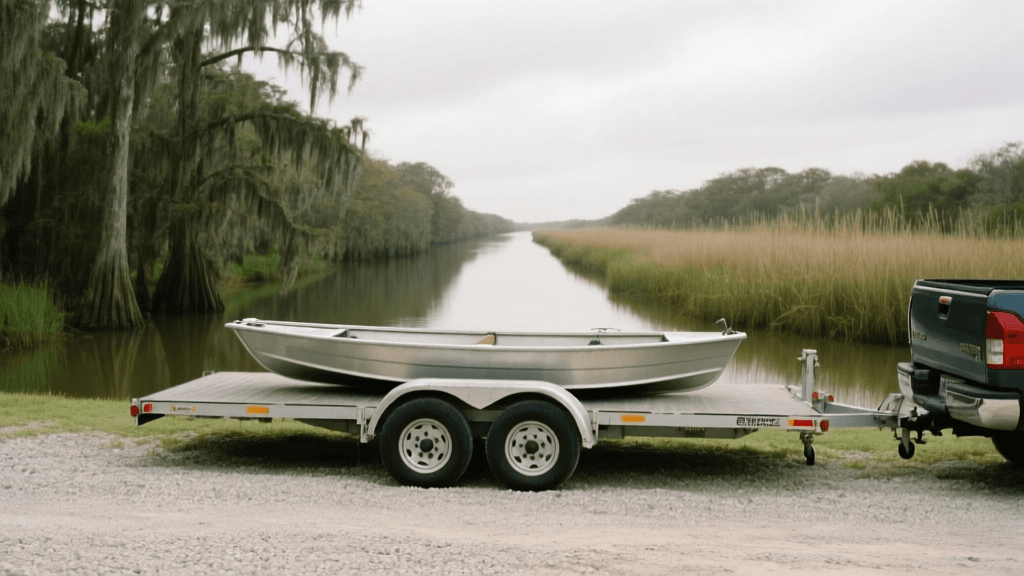
Insurers need enough detail to identify what is being insured and evaluate the risk. Have the trailer's year, manufacturer, model, vehicle identification number, purchase documentation, and photographs available. Explain whether it is designed for a single boat, its approximate size and carrying capacity, and whether it has been modified with features such as a spare tire, upgraded winch, or custom bunks. Be clear about how often it is used, where it is normally stored, and whether it is used only for personal recreation. Accurate information can help avoid mismatches between the application and the property involved in a claim.
Understand the Trailer's Insured Value
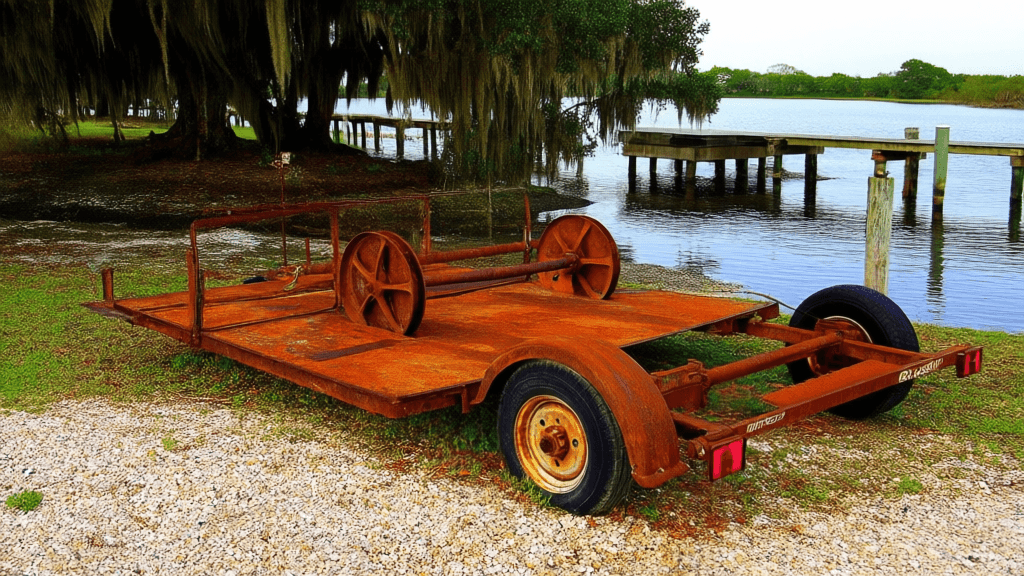
Trailer value can depend on age, condition, construction, capacity, equipment, and local replacement costs. A purchase receipt gives a useful starting point, but it may not establish what a policy will pay after a loss. Some policies use actual cash value, which generally reflects depreciation, while others may offer a different settlement basis under stated conditions. Do not assume that a replacement-cost settlement applies. Keep receipts for significant upgrades and take clear photographs of the frame, tires, lights, hitch, winch, and identification plate. When comparing options, ask how the stated limit relates to the likely cost of a comparable replacement trailer.
Separate Trailer Protection From Boat Protection
The boat and trailer have different components and may face different losses, so their coverage should be reviewed separately. A boat policy may address damage to the hull, motor, or onboard equipment, while trailer coverage may apply to the frame and attached trailer equipment. Limits, deductibles, exclusions, and claim settlement can vary between those parts of a policy. For example, a collision could damage both the boat and trailer, but each item may be evaluated under different terms. Ask how a single incident would be handled, whether separate deductibles could apply, and whether accessories such as a spare tire or detachable equipment are included.
Check Storage, Towing, and Weather Conditions
Where and how a trailer is used can matter when an insurer evaluates eligibility and coverage. Tell the insurer whether the trailer is kept in a garage, driveway, storage facility, or another location, and whether it travels regularly or only occasionally. Beaumont and nearby Southeast Texas communities can experience heavy rain, humidity, and strong storms, so ask how the policy treats weather-related damage, flooding, and storage-related losses. Do not presume that every water or storm loss is covered; exclusions and conditions may apply. Routine care also matters: check tire condition and pressure, wheel bearings, lights, safety chains, brakes, and the hitch before towing.
What Beaumont Owners Should Review Before a Trip
Local boating plans can involve driving from Beaumont through Vidor, Nederland, Port Neches, Groves, or Port Arthur to reach a launch, storage location, or service provider. The longer the trip, the more useful it is to confirm that the trailer's identifying information and coverage details are current before leaving. Review the route and towing setup, secure the boat according to the manufacturer's guidance, and carry registration and insurance information as required. If the trailer is stored outdoors or near a water-prone area, ask specifically about applicable storm and flood terms. Local conditions do not create coverage by themselves; the written policy determines what a claim may qualify for.
Key Trailer Coverage Checks
- Confirm the trailer is specifically identified or otherwise included, and verify the physical damage limit and deductible.
- Ask whether the settlement basis is actual cash value, replacement cost, or another method, and request an explanation of how value is determined.
- Disclose the trailer's use, storage location, condition, modifications, and regular towing destinations.
- Check how theft, collision, fire, wind, water, and other potential losses are treated under the policy, including exclusions.
- Keep the VIN, purchase records, upgrade receipts, maintenance notes, and current photographs together for reference.

Practical Next Steps for Comparing Coverage
Start by locating the boat policy declarations and any separate auto or trailer documents. Write down the trailer's year, make, model, VIN, estimated value, storage location, and typical use, then compare those facts with what the policy actually lists. When requesting a quote or policy review, ask whether trailer physical damage is included, which losses are covered, what deductible applies, how a total loss is valued, and whether the trailer is protected when parked or stored. Compare the answers alongside the premium rather than choosing on price alone. Coverage is governed by the issued policy, so read its exclusions and conditions and request clarification before relying on a particular protection.
Review Your Trailer's Protection Before the Next Launch
Gather your trailer details and compare written coverage terms, limits, deductibles, and valuation methods.
Get a Free Quote