Why Accurate Trailer Valuation Matters
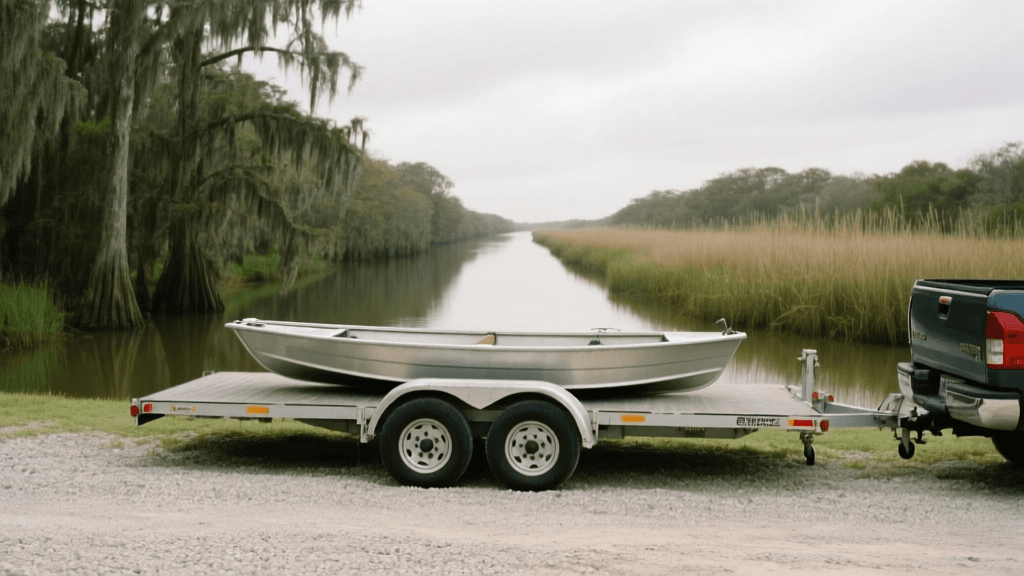
A boat trailer can be easy to overlook when arranging boat coverage, yet it is a separate piece of equipment with its own age, condition, and replacement cost. In Beaumont, owners may tow boats to local waterways, storage locations, or launches throughout Southeast Texas, exposing trailers to road wear, rain, humidity, and occasional flooding. If a trailer is damaged or stolen, a value that does not reflect its actual condition can complicate a claim or leave a replacement budget short. Start by identifying the trailer clearly and describing what it would reasonably cost to replace with a similar model today. This guide explains which records and details can make that conversation more precise.
Understand the Valuation Basis Before You Estimate
Ask how the policy treats the trailer before choosing a number. Actual cash value generally considers depreciation, while replacement-cost coverage, when available and applicable, may use the cost of replacing an item with a comparable one under the policy’s terms. The declarations page and policy wording determine what is covered, what limits apply, and whether a deductible or exclusions affect payment. A trailer’s original purchase price is useful evidence, but it may not equal today’s value. Prices change, and a discontinued model may have a different replacement equivalent. Keep the estimate grounded in the trailer’s make, model, capacity, and condition, then confirm which valuation approach the insurer uses.
Record Age, Identity, and Basic Specifications
Age helps establish depreciation, but it cannot identify a trailer on its own. Record the manufacturer, model, model year, vehicle identification number, load capacity, axle configuration, and purchase date. Photograph the VIN plate and any registration or title documents, storing copies separately from the boat. If the trailer was bought used, save the bill of sale and note what was included in the transaction. In Beaumont, where trailers may move between a home driveway, a storage facility, and a launch, these details can be especially helpful if paperwork is misplaced. Verify that the identification number on the trailer matches the documents, and ask the relevant state office or insurer how to resolve discrepancies.
Assess Condition With Specific Evidence
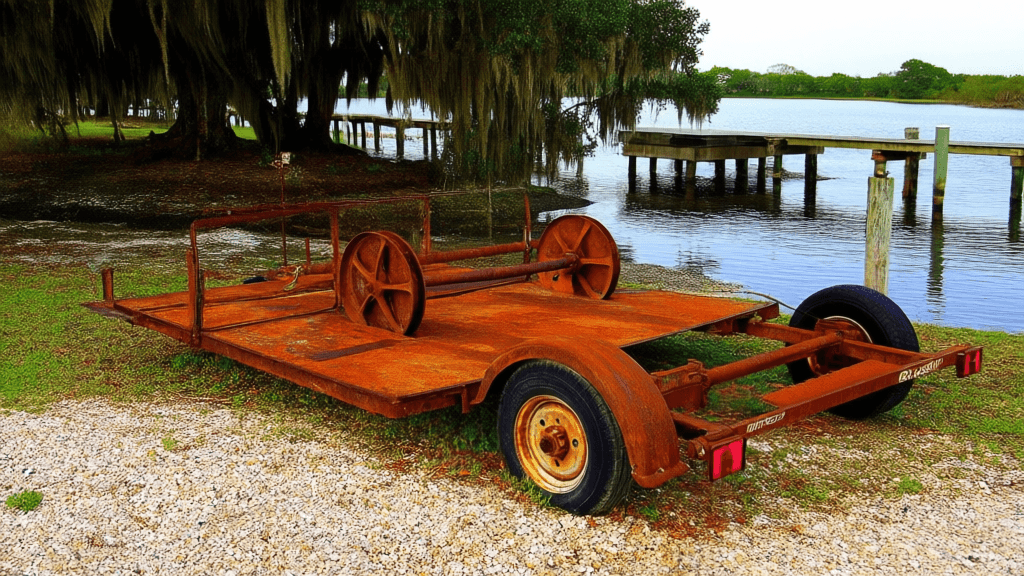
Condition affects what a comparable trailer is worth and what repairs or replacement might cost. Take well-lit photos of the frame, axles, tires, wheels, coupler, winch, bunks or rollers, lights, brakes, and safety chains. Note corrosion, bent components, worn tires, damaged wiring, or recent repairs rather than relying on a broad description such as good condition. Southeast Texas humidity and wet storage can contribute to corrosion, while frequent towing can wear tires and bearings even when the trailer looks clean. Keep dated maintenance receipts and inspection notes. If a mechanic replaces an axle or repairs the braking system, the invoice helps demonstrate what was done, when it happened, and whether the work improved safe operation.
Separate Upgrades From Routine Maintenance
Not every repair adds the same amount to a trailer’s market value. Replacing a worn tire or repairing a light generally restores function; installing a higher-capacity winch, upgraded brakes, new aluminum wheels, or a custom storage solution may be an improvement worth describing separately. Keep receipts showing the date, parts, labor, and amount paid, along with photos of the finished work. Avoid assuming that the full cost of an upgrade will increase a claim payment dollar for dollar. Coverage terms, sublimits, depreciation, and the trailer’s overall value can all matter. Ask whether accessories or modifications need to be listed or scheduled, especially when they are expensive, permanently attached, or materially change the trailer’s configuration.
Compare Like With Like When Estimating Current Value
A useful estimate compares the trailer with similar trailers, not simply any listing that appears online. Match the make or construction type, model year, load capacity, axle count, intended boat size, and major equipment. Look at several current dealer listings or reputable marketplace examples, and save the date, asking price, and details for each comparison. Asking prices are not confirmed sale prices, so treat them as indicators rather than proof of value. If your trailer is older, customized, or difficult to find, a dealer or qualified marine-trailer professional may help identify a realistic comparable replacement. Present the evidence and ask the insurer how it evaluates the figure instead of relying on a single informal estimate.
Local Considerations for Beaumont and Nearby Communities
Beaumont owners often travel beyond city streets to reach fishing and boating destinations, so trailer use and storage habits can affect what should be documented. Frequent trips through Vidor, Nederland, Port Neches, Groves, or Port Arthur may mean more road exposure, while a trailer kept outdoors near the coast or a low-lying property may face different moisture and corrosion concerns. After severe weather or water exposure, photograph the trailer before cleaning or repairing it, then retain inspection and repair records. Do not assume that every flood-related loss is covered; policy language, exclusions, and the cause of damage matter. Keep the trailer’s storage location and typical use current during a coverage review, and verify any local registration or equipment requirements with the appropriate Texas authority.
Records That Make a Coverage Review More Accurate
- Save the purchase receipt, bill of sale, title or registration records, and clear photos of the VIN plate.
- Keep dated photos of the frame, tires, axles, coupler, brakes, lights, winch, and boat-support surfaces.
- Store itemized receipts for parts, labor, repairs, and upgrades, with brief notes describing the work.
- Collect several comparable listings and record each trailer’s year, capacity, condition, included equipment, and asking price.
- Review the policy’s trailer limit, valuation method, deductible, and accessory provisions when equipment or circumstances change.

Prepare for Your Next Coverage Review
Before requesting a review, assemble the trailer’s identifying details, current photos, maintenance history, upgrade receipts, and a reasoned estimate based on comparable equipment. Explain whether the trailer is used regularly, stored outdoors, or kept at a different location, and mention any recent damage or major repairs. Then ask how the policy defines the covered trailer, what valuation basis applies, and whether listed accessories are included or require separate consideration. A clear file helps an insurance professional ask focused questions and spot gaps between the limit and a plausible replacement. Revisit the estimate after purchasing a different trailer, making substantial upgrades, or seeing a significant change in comparable prices—not only when the boat policy renews.
Make Your Trailer Details Part of the Conversation
Gather your records and compare the trailer’s documented condition and replacement options with the coverage terms before your next review.
Get a Free Quote