
What Hull Coverage Means for Beaumont Boat Owners
Hull coverage is the physical damage portion of a boat insurance policy. Depending on the policy, it can help pay to repair or replace the insured boat after a covered event, such as a collision, fire, theft, or certain weather damage. The term “hull” generally refers to the vessel itself, though a policy may also define coverage for attached equipment, permanently installed machinery, or other boat components. Beaumont owners should check the contract rather than assume every item aboard is included. Coverage is subject to the insured value, deductible, exclusions, and claim settlement terms. It can be useful for owners who rely on a boat for recreation or fishing and want a financial plan for accidental damage.
Why Hull Coverage Matters in Beaumont, TX
Boats around Beaumont may encounter changing weather, heavy rain, strong winds, and storm-related hazards, as well as ordinary risks while being trailered, stored, launched, or operated. Local trips toward the Neches River and nearby waterways can involve busy launch areas, changing water conditions, debris, and contact with docks or other vessels. A boat stored at home faces different exposures from one kept at a marina or used frequently on the water. Hull coverage does not eliminate these risks, and storm damage may be treated differently depending on policy wording, maintenance, and whether the boat was secured as required. Review navigation territory, storage requirements, and named-storm provisions before the season begins.
What Boat Hull Coverage May Cover
Covered physical damage varies by insurer and policy form, but may include sudden accidental damage from a collision, fire, theft, vandalism, or certain weather events. For example, a covered collision could damage the hull or motor, while a fire could affect permanently installed components. Some policies provide protection while the boat is in use, stored, or being transported, but the boundaries and conditions matter. Personal belongings, fishing gear, trailers, and detachable electronics may have separate limits or require additional coverage. Wear and tear, gradual deterioration, lack of maintenance, and some types of water damage may be excluded. Ask how the policy treats salvage, emergency repairs, depreciation, and replacement cost so you understand what a claim payment could look like.
Possible Hull Coverage Benefits
- Helps pay for covered repairs after an insured physical damage event, subject to the policy deductible and limit.
- Can protect an insured vessel against specified risks such as collision, fire, or theft, depending on policy wording.
- May include the boat’s motor or permanently installed equipment when listed or defined as covered property.
- Lets owners choose an insured value and deductible that fit the boat’s value, use, and budget.
- Can provide a clearer financial plan for boat ownership when paired with a review of exclusions and storage requirements.

Factors That Can Affect Hull Coverage Rates in Beaumont
Hull coverage premiums are influenced by the boat’s value, age, type, length, engine, and condition, along with how and where it is used. Insurers may consider the owner’s experience, claims history, selected deductible, requested limits, navigation area, and whether the boat is kept in a secured location, marina, or on a trailer. A boat used often in local waters may be rated differently from one used occasionally or stored for much of the year. Storm exposure and the policy’s treatment of named storms can also affect availability, terms, or price. There is no single rate that applies to every Beaumont boat. To compare quotes fairly, provide the same vessel details and ask each insurer to explain valuation, deductibles, exclusions, and any required safety measures.
How a Hull Damage Claim Usually Works
After damage occurs, first make the scene safe and take reasonable steps to prevent further loss, without putting anyone at risk. Notify the insurer promptly using the claim instructions in your policy, and report theft or suspected criminal damage to the appropriate authorities. Photograph the boat, damaged components, location, and any relevant conditions; keep receipts for emergency work and do not authorize major repairs before confirming the insurer’s inspection requirements. An adjuster may review the damage, policy terms, repair estimates, and insured value. The claim payment depends on what caused the loss, whether the event is covered, the deductible, applicable limits, and the policy’s settlement method. Keep written records of conversations and ask how to handle towing, salvage, and temporary repairs.
Common Hull Coverage Mistakes and Misconceptions
A common misconception is that hull coverage pays for every type of damage to every item on a boat. Policies contain exclusions, conditions, deductibles, and property-specific limits, so equipment and personal belongings may not receive the same treatment as the vessel. Another mistake is choosing an insured value based only on the original purchase price, without considering the boat’s current value and the policy’s settlement basis. Owners may also assume storm damage is automatically covered or that coverage applies wherever they travel; both assumptions need to be checked against the contract. Failing to report a change in ownership, storage, use, or equipment can create problems at claim time. Read the policy declarations and ask for plain-language explanations of unclear terms.
Choosing the Right Hull Coverage Limits
Start by documenting the boat’s make, model, year, condition, motor, installed equipment, and recent improvements. Compare that information with the policy’s stated value and ask whether a claim is settled on an agreed-value, actual-cash-value, or another basis; definitions and availability vary by insurer. Consider whether the limit could reasonably address repair or replacement costs, and review separate limits for a trailer, electronics, and personal property. A higher deductible may lower the premium but means paying more out of pocket for a covered claim. Check whether the policy includes a lay-up period, navigation limits, storm precautions, or requirements for winter or long-term storage. A licensed insurance professional can explain options, but the written policy controls.
Getting Hull Coverage in Beaumont and Nearby Communities
To explore hull coverage in Beaumont, gather accurate vessel details, an estimate of its value, information about where it is stored, and a description of how it is used. Ask for quotes with comparable limits and deductibles, then review exclusions, storm provisions, navigation territory, equipment coverage, and claim settlement terms before selecting a policy. The same questions are useful for boat owners in Vidor, Orange, Port Neches, Groves, Nederland, Port Arthur, Bridge City, Silsbee, Lumberton, Kountze, China, West Orange, and Pinehurst. Texas insurance rules and policy forms can differ by product and insurer, so confirm the provider and policy are appropriately licensed and available for your situation. Keep a copy of the declarations and know how to report a claim before heading out.
Compare Hull Coverage Options
Gather your boat details and compare limits, deductibles, exclusions, and claim settlement terms before choosing physical damage protection.
Get a Free QuoteFrequently Asked Questions
Hull coverage can help pay for covered physical damage to the insured boat, subject to the policy terms, deductible, limit, and exclusions. Covered causes may include collision, fire, theft, or certain weather events, depending on the policy. Equipment, trailers, and personal belongings may have separate limits or coverage.
The cost depends on the boat’s value, age, type, engine, use, storage, navigation area, claims history, selected limit, and deductible. Storm provisions and insurer underwriting can also affect pricing. Request comparable quotes using the same boat information and coverage choices to evaluate the differences.
Prepare the boat’s make, model, year, value, motor details, use, storage location, and equipment information. Compare quotes and ask about valuation, deductibles, storm conditions, exclusions, and navigation limits. Confirm that the insurer and policy are available and appropriately licensed for your situation in Texas.
Whether hull coverage is required can depend on financing, marina or lender requirements, and your circumstances; it is not safe to assume every boat owner has the same obligation. Even when not required, it may help protect your investment from covered physical damage. Check applicable requirements and read the policy terms before deciding.
It may, but coverage depends on the specific policy, cause of damage, exclusions, named-storm provisions, and compliance with storage or protection conditions. Ask the insurer how wind, flooding, storm surge, and other water-related damage are treated, because they may be handled differently.
Get Your Boat Insurance Quote
Compare coverage options for Beaumont and get help choosing the right policy.
Related Articles
Learn more about hull coverage in beaumont, tx with these expert guides
Hull Coverage in Beaumont, TX
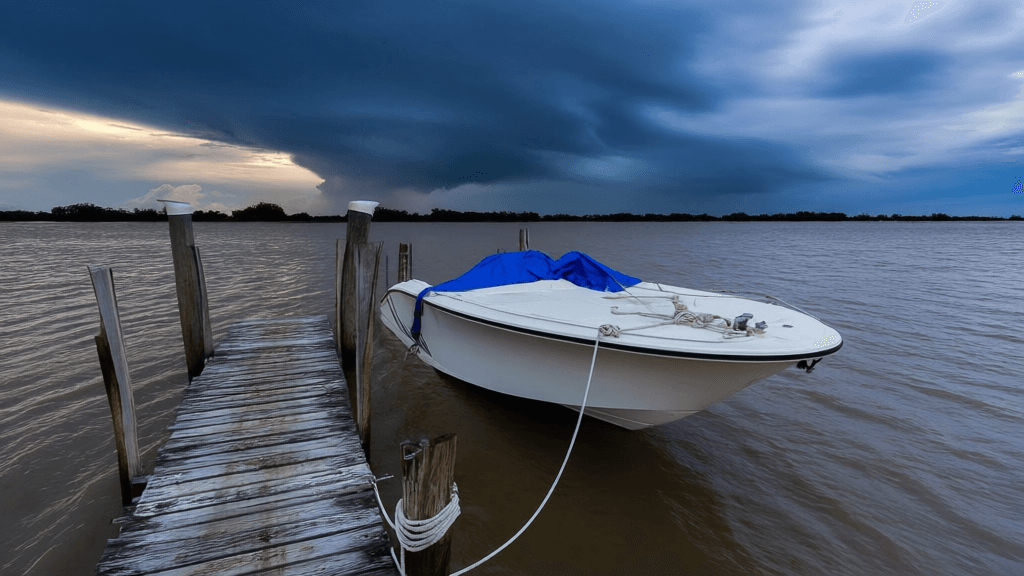
Storm Preparation and Hull Coverage for Beaumont, TX Boat Owners
Learn how Beaumont boat owners can prepare vessels for severe weather through inspections, documentation, secure storage...
Hull Coverage in Beaumont, TX
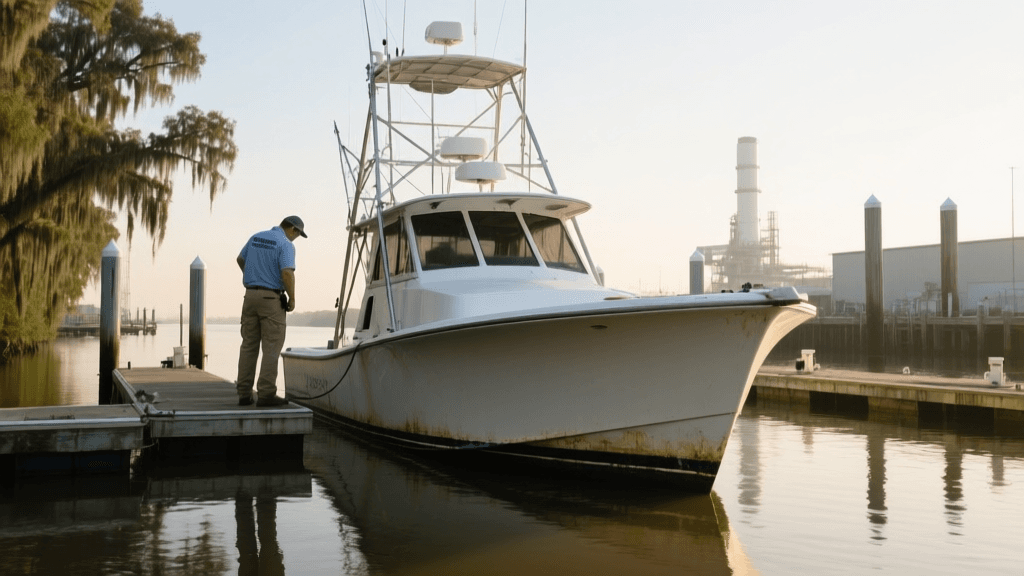
Choosing an Insured Value for Hull Coverage in Beaumont, TX
Choosing an insured value for hull coverage means weighing how a policy would value your boat after a covered loss again...
Hull Coverage in Beaumont, TX
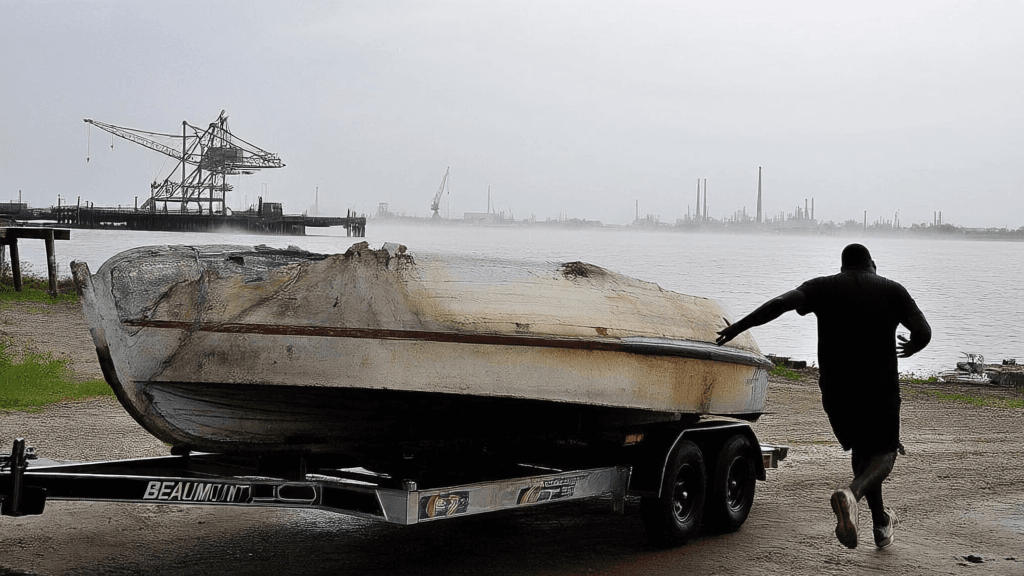
What Hull Coverage Protects for Boat Owners in Beaumont, TX
Hull coverage can help pay to repair or replace a boat when it is damaged by a covered event, subject to the policy’s te...