Why Storm Preparation Matters for Beaumont Boat Owners
Severe weather can arrive quickly in Beaumont, and a boat left in a driveway, at a marina, or on a trailer faces different risks in each location. Wind can push a vessel against a dock or neighboring boat, while heavy rain may overwhelm a poorly covered cockpit or expose weaknesses in drains and bilge systems. Storm preparation is not just about tying extra rope: it means inspecting the boat, choosing a realistic storage plan, and understanding what hull coverage may pay for. This guide explains steps Beaumont owners can take before storm season and how to document damage if bad weather reaches Southeast Texas.
Understand the Local Weather and Your Policy
The Beaumont area can experience intense thunderstorms, tropical systems, flooding, and wind-driven rain. Conditions and evacuation or marina instructions can change rapidly, so use current official forecasts and follow directions from your harbor, storage facility, or local authorities. Insurance terms also vary: hull coverage generally addresses physical damage to the insured vessel, but the covered causes, deductibles, exclusions, and limits depend on the contract. Some policies treat named storms, wind, flooding, or unattended vessels differently. Before the season, ask the insurer to explain the policy’s storm-related provisions, any requirements for securing or relocating the boat, and whether coverage applies at its usual storage location.
Inspect and Record the Boat Before Storm Season
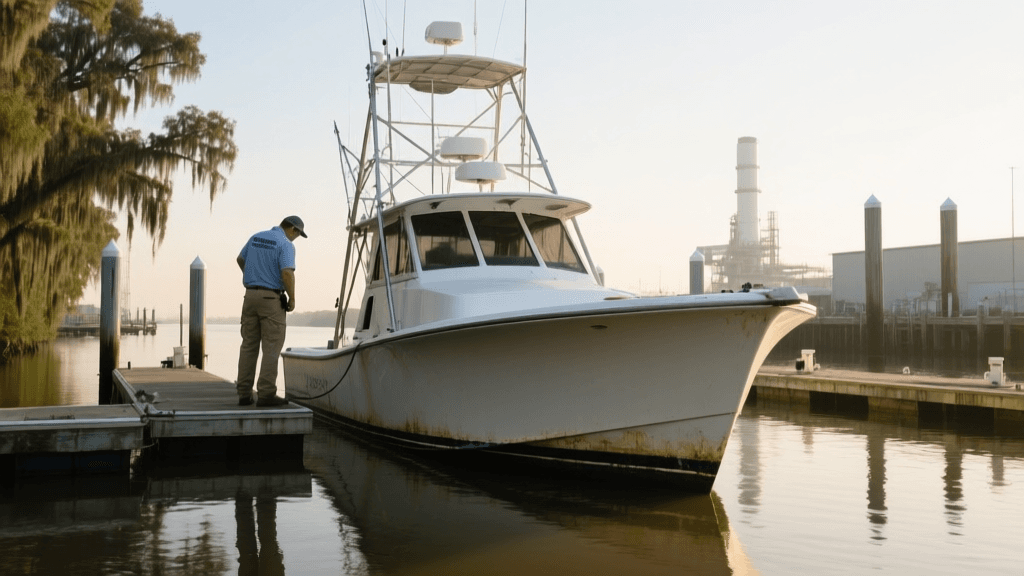
A pre-season inspection gives you a reliable record of the boat’s condition and can reveal problems before they become storm losses. Check the hull for cracks, blisters, loose fittings, and previous repairs; inspect the deck, windshield, hatches, cleats, and steering components; and test bilge pumps, batteries, alarms, and drain openings. Photograph the hull, engine, electronics, trailer, and valuable removable equipment from several angles. Save receipts, maintenance records, serial numbers, and a current inventory somewhere accessible if the boat or home is damaged. For example, dated photos showing an intact windshield and functioning electronics can help distinguish pre-existing wear from damage discovered after a storm.
Choose Storage and Secure the Boat Thoughtfully
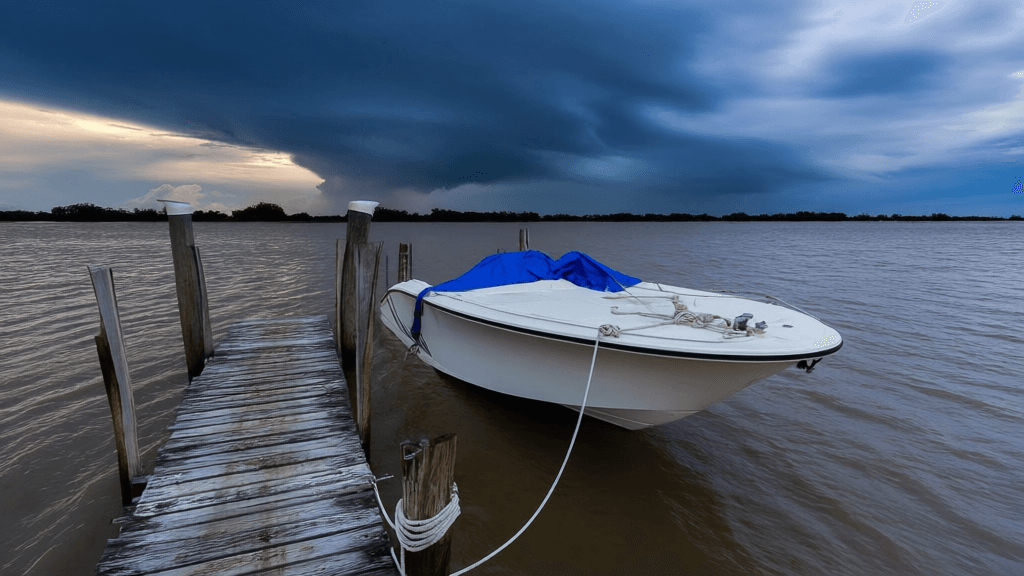
The safest storm plan depends on the boat, its location, and the facility’s instructions. If a marina or storage operator issues a preparation plan, follow it rather than improvising a tie-down arrangement. A trailer-stored boat may need to be moved away from trees, flood-prone ground, and unsecured objects; use properly rated straps and follow the trailer and vessel manufacturers’ guidance. At a dock, lines, fenders, and position may need adjustment for changing water and wind, but unsafe last-minute work should be avoided. Remove loose gear, secure or stow canvas as directed, and protect openings without blocking drainage or creating a water trap. Confirm that your policy’s storage and storm precautions are met.
Know What Hull Coverage May and May Not Address
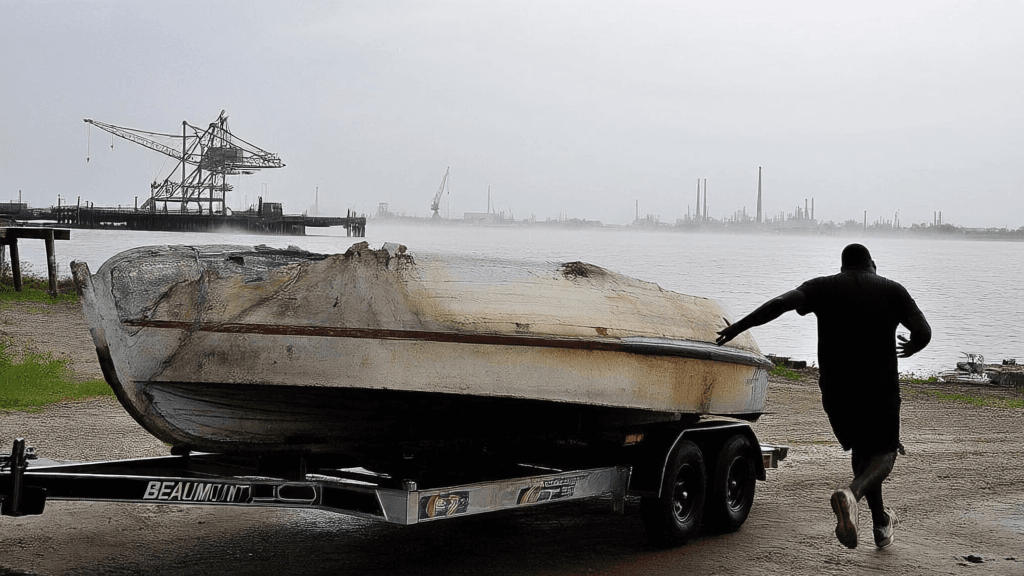
Hull coverage is the part of a boat policy intended to insure physical damage to the covered vessel, subject to the policy’s wording and limits. A storm-related loss might involve a cracked hull, damaged engine, broken windshield, or collision with a dock, but payment is not automatic simply because damage happened during bad weather. The cause of loss, the boat’s insured value, deductible, exclusions, and compliance with policy conditions can matter. Wear, corrosion, gradual deterioration, and maintenance issues are commonly treated differently from sudden accidental damage, though exact terms vary. Ask how the policy handles wind, hail, flood or rising water, debris impact, salvage, and emergency protection expenses, and request clarification before storm season.
Make a Practical Storm Plan Before Warnings Arrive
A written plan helps prevent rushed decisions when forecasts worsen. Decide in advance who can access the boat, where it could be moved if relocation is appropriate, and which marina or storage instructions apply. Keep keys, policy details, registration information, emergency contacts, and photographs backed up away from the vessel. Make a short equipment checklist for removable electronics, fishing gear, cushions, and other items that could become airborne or suffer water damage. If officials issue evacuation instructions or conditions make travel dangerous, prioritize personal safety and do not return to secure a boat. Check with the insurer about any required notification or protective steps, because the policy may set expectations for reasonable loss prevention.
Beaumont-Area Storage and Neighborhood Considerations
Beaumont boat owners may store vessels at home, on a trailer, or near waterways, and each choice brings different exposure to wind, falling limbs, standing water, and flying debris. A plan that works at a sheltered storage site may not suit a residential driveway or an exposed waterfront berth. Owners in Vidor, Port Arthur, Nederland, Orange, Groves, and nearby communities should also account for local access conditions and facility-specific storm procedures rather than assuming every location has the same risks. Check drainage around the storage spot, keep the trailer accessible if relocation is part of the plan, and confirm whether a facility has restrictions on moving boats during an approaching storm. Local conditions can change quickly, so make decisions using current guidance.
Key Steps to Take After Severe Weather
A Clear Post-Storm Checklist
- Wait until authorities say it is safe to return, then photograph the boat and surrounding area before moving or cleaning damaged items.
- Record the discovery date, location, visible damage, and any immediate steps taken to prevent further loss.
- Contact the insurer promptly, ask about inspection requirements, and keep a record of claim communications and instructions.
- Make only necessary emergency repairs to protect the vessel; save receipts and, when possible, photograph the condition before work begins.
- Gather pre-storm photos, maintenance records, equipment inventories, and repair estimates to support a clear account of the loss.

Compare Coverage and Prepare Before the Next Forecast
Before the next storm watch, review your declarations and policy wording with a qualified insurance professional. Confirm the insured hull value, deductible, covered equipment, navigation area, storage address, and any conditions involving storm preparation or relocation. Ask how a claim would handle inspection, salvage, temporary protection, and repairs, and whether separate coverage may be relevant for a trailer or personal effects. If the boat has changed since the policy was issued, such as a new engine or electronics, check whether its details and value are accurately reflected. Comparing policy terms before severe weather gives you time to address gaps and build a plan based on your actual vessel, storage arrangement, and Beaumont-area exposure.
Review Your Boat’s Storm Readiness
Compare hull coverage details and organize your inspection records before the next severe-weather forecast.
Get a Free Quote