What Hull Coverage Means for Beaumont Boat Owners
A damaged hull can turn an ordinary outing into an expensive repair, whether the problem is a collision, a fire, or severe weather. Hull coverage is the physical-damage portion of a boat policy: it may help repair or replace the insured watercraft and eligible equipment after a covered loss. For boat owners in Beaumont, understanding the details matters because local boating can involve river channels, changing water conditions, busy launch areas, and powerful Gulf Coast storms. Coverage is never automatic for every cause of damage. This guide explains common protections, the limits that can shape a claim, and practical steps to review before taking a boat out.
Why the Details Matter in Southeast Texas
Hull coverage is not one identical package across all insurers. Policies define covered causes of loss, exclusions, navigation areas, required safety measures, and how a damaged boat is valued. In Beaumont, owners may use the Neches River, travel toward the Sabine-Neches Waterway, or trailer their boat to other Southeast Texas destinations. Each trip creates different exposure to shallow spots, floating debris, wakes, and changing weather. Hurricane season also makes it especially important to understand storm preparation requirements and whether a policy restricts where a boat may be kept or moved when a named storm approaches. Read the contract before the season, rather than trying to interpret it during a claim.
Collision and Accidental Physical Damage
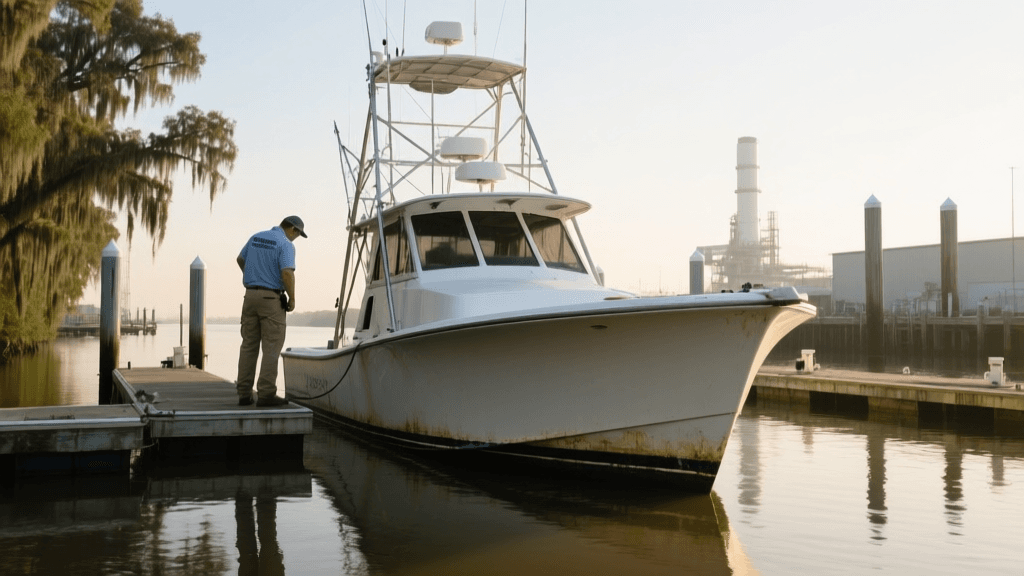
Collision coverage may apply when a boat strikes another vessel, a dock, a fixed object, or an underwater obstruction, depending on the policy definition and circumstances. For example, a boat operator navigating a narrow or unfamiliar stretch near Beaumont might hit a submerged object and damage the hull, propeller, or lower unit. A policy may cover eligible repair costs after the deductible, but it may treat wear, corrosion, mechanical breakdown, or damage caused by neglect differently. Document the boat’s condition before outings and report a serious incident promptly. Keep photographs, repair estimates, and details about the location and sequence of events; clear records can help explain what happened when a claim is reviewed.
Storm, Wind, and Water-Related Damage
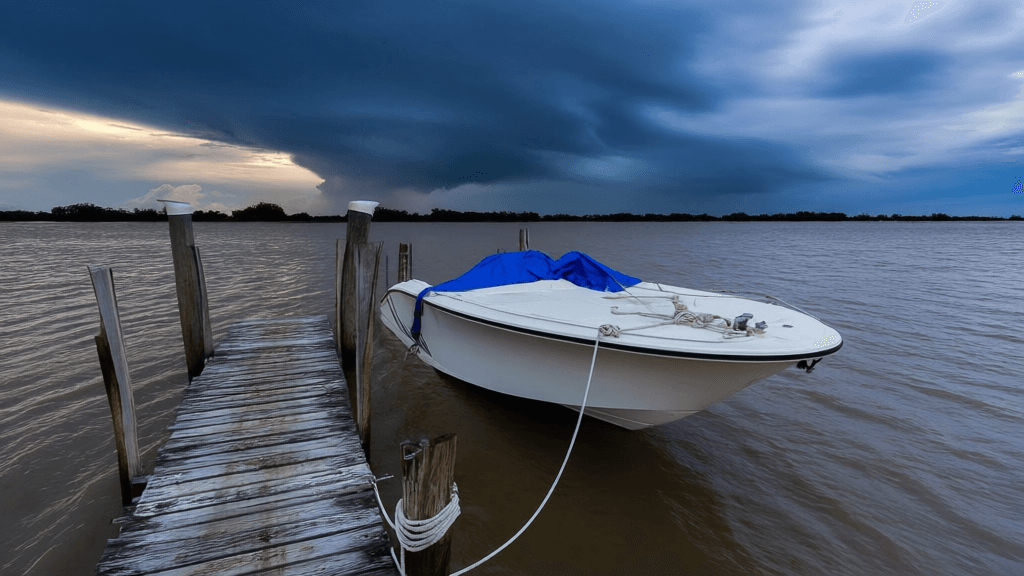
A policy may cover certain direct physical damage caused by wind, hail, or other named covered events, but the exact treatment of storms and water intrusion varies. A boat damaged by wind while secured at a permitted location may be handled differently from one left unattended, improperly moored, or stored outside policy requirements. Flooding, storm surge, rising water, and damage caused by a boat taking on water can involve specific exclusions or conditions, so do not assume that every water-related loss is covered. Beaumont owners should check whether the policy requires a storm plan, approved storage, or relocation once a storm warning is issued. Ask for the applicable wording and keep evidence of the boat’s storage and preparation.
Fire, Theft, and Equipment
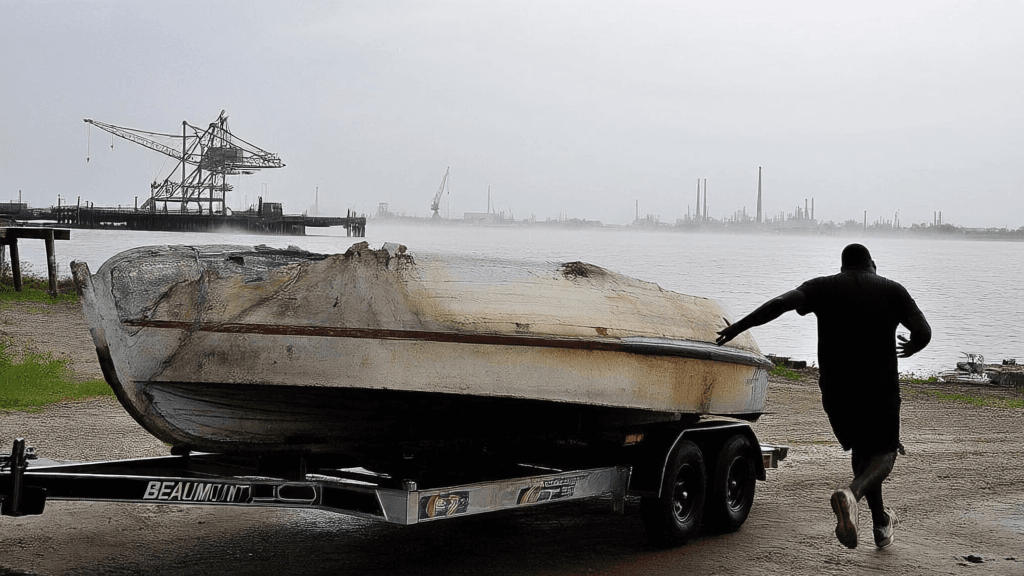
Hull coverage may protect against covered fire or theft losses involving the insured boat, but coverage for accessories and removable equipment can have separate limits. A fire could damage the hull, wiring, or engine; a theft claim might involve the entire boat, an outboard motor, or electronics. The policy may require reasonable security measures, proof of ownership, or prompt reporting to law enforcement. Make an inventory of the boat, motor, navigation equipment, and permanently installed accessories, including serial numbers and purchase records. Photograph the boat and gear, and store copies of the information separately. Ask whether a trailer, fishing equipment, personal belongings, or portable electronics are covered or need separate protection.
Limits, Deductibles, and How a Claim Is Valued
The policy limit is the maximum amount available for a covered loss, while the deductible is the portion the boat owner pays before eligible benefits apply. A lower premium can come with a higher deductible or less protection for equipment, so compare the complete terms rather than the price alone. Also check whether the boat is insured for agreed value or actual cash value. Agreed value generally uses a value established when coverage is arranged, while actual cash value typically considers depreciation at the time of loss; contract language controls the settlement. Confirm that the stated value reflects the boat’s current condition and any major upgrades. Ask how partial repairs, salvage, and damaged accessories are handled.
Local Considerations Around Beaumont
Beaumont boaters may launch locally, travel along the Neches River, or make longer trips toward waterways near Port Arthur, Orange, and Bridge City. Conditions can change between a sheltered launch and a more exposed route, and commercial traffic on regional waterways calls for careful attention to navigation and wake. Owners in Vidor, Nederland, Groves, Port Neches, and nearby communities may also store boats at different locations or trailer them between destinations. Check that the policy’s navigation territory matches actual use, including trips beyond the usual launch area. Keep the boat secured when unattended, follow local waterway and safety rules, and verify any marina or storage requirements that affect insurance eligibility.
Practical Hull Coverage Review
Questions to Check Before the Next Outing
- Confirm the insured hull value, deductible, and whether a total loss is settled on an agreed-value or actual-cash-value basis.
- Review covered causes of loss and exclusions for flooding, storm surge, mechanical breakdown, corrosion, and neglect.
- Check limits for motors, electronics, trailers, permanently installed equipment, and portable belongings.
- Verify the navigation territory, storage location, security conditions, and any storm-preparation requirements.
- Keep current photographs, receipts, serial numbers, maintenance records, and a written equipment inventory.

Next Steps for Choosing Protection
Start by listing the boat’s current market or agreed value, the motor and equipment you want insured, where the boat is normally stored, and the waterways you use. Then compare policies side by side, focusing on covered damage, exclusions, deductibles, valuation, equipment sublimits, and storm conditions. If any wording about flood, wind, theft, or navigation territory is unclear, request a plain-language explanation and a copy of the relevant provision before making a decision. Revisit the coverage after upgrades, a change in storage, or a move to a different boating routine. A careful review helps Beaumont-area owners choose protection that fits how the boat is actually used, rather than relying on assumptions about what “full coverage” means.
Compare Boat Hull Coverage
Review policy terms, deductibles, and equipment limits to find boat protection suited to your Beaumont-area boating plans.
Get a Free Quote