
What Water Sports Coverage Means for Beaumont Boat Owners
Water sports coverage refers to insurance protection related to liability arising while a boat is used for activities such as tubing, wakeboarding, and waterskiing. It is not always a separate policy; it may be included in, limited by, or excluded from a boat liability policy, depending on the insurer and contract. Coverage may help with eligible third-party bodily injury or property damage claims if a covered accident occurs while towing a rider. Beaumont boat owners should read the policy language carefully, because the terms “water sports,” “towed device,” and “operator” can have specific meanings. Confirm that the activity, boat, operator, and intended use are all disclosed and accepted before taking riders out.
Why Beaumont Water Conditions Matter
Beaumont boaters may use the Neches River, nearby lakes, and waterways extending toward the Sabine area, where traffic, wakes, weather, and changing water conditions can affect a towing outing. Currents, boat traffic, visibility, and sudden Southeast Texas storms can complicate stopping or returning a fallen rider to the boat. These conditions make a clear lookout, safe towing speed, an observer in addition to the operator, and suitable life jackets important parts of risk management. Insurance does not replace safe operation or boating-law compliance. Before a trip, check current conditions and restrictions for the launch area, identify a safe towing zone, and avoid towing near congested channels, swimmers, or other hazards.
What Water Sports Liability May Cover
Depending on the policy, water sports liability may apply when a boat causes accidental injury to a person being towed or damages someone else’s property during an insured activity. For example, a rider could be injured after a tow rope catches an obstacle, or a boat could collide with another vessel while maneuvering for a fallen skier. The policy’s liability section may help pay covered damages and legal defense costs, subject to its terms, exclusions, and limit. It generally does not automatically pay for damage to your own boat, the rider’s personal equipment, or the insured’s own injuries; those issues may involve separate physical-damage or medical-payments coverage. Ask the insurer to confirm the precise scope in writing.
Coverage Details to Confirm
- Whether tubing, wakeboarding, waterskiing, and other towed activities are expressly covered under the boat policy.
- Which operators are insured and whether age, experience, or boating-safety requirements apply.
- The liability limit available for bodily injury and property damage claims, including whether a separate sublimit applies.
- Whether defense costs are included within or paid in addition to the stated liability limit.
- How medical-payments coverage, guest injuries, and damage to your own boat or water-sports equipment are handled.

Factors That Can Affect Water Sports Coverage and Cost
The cost and availability of water sports liability protection depend on details that insurers evaluate individually, so there is no reliable single price for every Beaumont boat owner. Relevant factors can include the boat’s type, value, horsepower, age, and condition; the owner’s claims and boating history; who will operate the vessel; where and how often it is used; and the liability limit selected. Towing several riders or using specialized equipment may affect underwriting, and some policies may restrict certain activities or operators. Deductibles usually relate to covered physical damage rather than liability claims, but policy structure varies. Compare quotes using the same activity disclosures and limits, and ask about exclusions before choosing based on premium alone.
How a Water Sports Claim Usually Works
After an accident, first protect people: stop the boat safely, assist anyone in the water, and contact emergency services when needed. Follow applicable reporting requirements and cooperate with law enforcement or waterway authorities. Notify the insurer promptly using the claim instructions in the policy, and provide the date, location, boat and operator information, a factual account, and contact details for witnesses. Preserve photographs, incident records, and relevant communications, but avoid admitting legal fault or agreeing to pay another party’s expenses before speaking with the claims representative. The insurer will review the policy, investigate the event, and determine whether coverage applies. Timing varies with injury severity, documentation, and investigation needs; ask the adjuster what information is still required.
Common Water Sports Coverage Misunderstandings
A frequent misconception is that ordinary boat liability automatically covers every activity involving a tow rope. Some contracts restrict particular sports, devices, operators, or locations, so the policy wording matters more than assumptions or a general description of the boat. Another misunderstanding is that liability coverage pays for every injury, including injuries to the boat owner or damage to the insured boat; those losses may require different coverages and can still be subject to exclusions. A rider’s personal health insurance is also not a substitute for the boat owner’s liability protection. Before inviting guests, verify the covered activities, limits, and any safety conditions, and do not rely on a verbal summary if the written policy says something different.
Choosing Suitable Limits and Deductibles
Choosing a liability limit starts with considering the financial consequences of a serious injury, the number of passengers and riders, the boat’s capabilities, and the assets you want to protect. Review whether the policy has separate limits for each person and each accident, and ask whether an umbrella policy can provide additional liability protection and whether it recognizes watercraft exposures. A higher limit may cost more, but the lowest quoted premium may leave a substantial gap after a severe accident. For physical damage coverage, compare deductibles with the boat’s value and the amount you could reasonably pay after a loss. Beaumont owners should request clear explanations of exclusions and endorsements, then compare written proposals with matching limits and activity details.
Getting Water Sports Coverage in Beaumont and Nearby Communities
To explore coverage, gather the boat’s year, make, model, horsepower, value, ownership details, storage location, and typical use. Be direct about towing activities, where you boat, who may operate the vessel, and whether guests will participate. Ask for written confirmation that tubing, wakeboarding, and waterskiing are covered, along with the liability limits, exclusions, operator restrictions, and claims contact process. Texas boating requirements and safety rules can apply separately from insurance terms, so verify current requirements with the appropriate state authorities and follow local waterway rules. Beaumont-area boat owners can compare options while considering use in nearby Vidor, Orange, Port Neches, Groves, Nederland, Port Arthur, Bridge City, Silsbee, Lumberton, Kountze, China, West Orange, and Pinehurst. Choose protection based on the policy wording and your actual boating plans.
Review Your Boat’s Water Sports Protection
Gather your boat and operator details, then compare written coverage terms for the towing activities you plan to enjoy around Beaumont.
Get a Free QuoteFrequently Asked Questions
Water sports coverage may protect against eligible liability claims for bodily injury or property damage arising while a covered boat is towing a rider for activities such as tubing, wakeboarding, or waterskiing. The exact activities, operators, limits, and exclusions depend on the policy, so confirm them with the insurer.
There is no standard price for Beaumont boat owners. Premiums may depend on the boat, horsepower, operator and claims history, use, activity details, and selected liability limits. Request comparable written quotes and make sure each insurer knows about the towing activities you plan to do.
Provide the boat’s details, intended waterways and use, all likely operators, and the specific activities you plan to tow. Ask the insurer to confirm coverage for each activity in writing and explain liability limits, exclusions, operator restrictions, and any required safety practices.
Whether it is legally required depends on applicable requirements and your specific situation; do not assume every Texas boater must carry a particular water sports endorsement. However, towing riders can create significant liability exposure. Check current Texas boating rules and review your policy to confirm that planned activities are covered.
It may cover an eligible claim if the policy includes the activity and the accident meets its terms. Coverage can depend on exclusions, who operated the boat, the cause of injury, and applicable limits. Ask your insurer to confirm tubing coverage before carrying passengers.
Get Your Boat Insurance Quote
Compare coverage options for Beaumont and get help choosing the right policy.
Related Articles
Learn more about water sports coverage in beaumont, tx with these expert guides
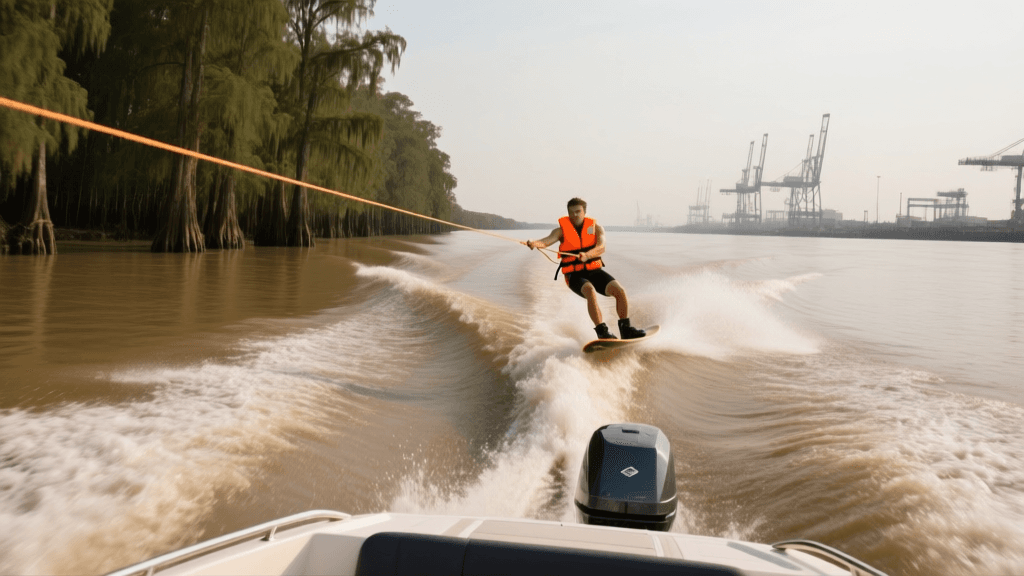
Water Sports Coverage in Beaumont, TX
Water Sports Safety and Liability for Beaumont, TX Boat Owners
Water sports can bring extra safety responsibilities and liability considerations for boat owners in Beaumont, Texas. Th...
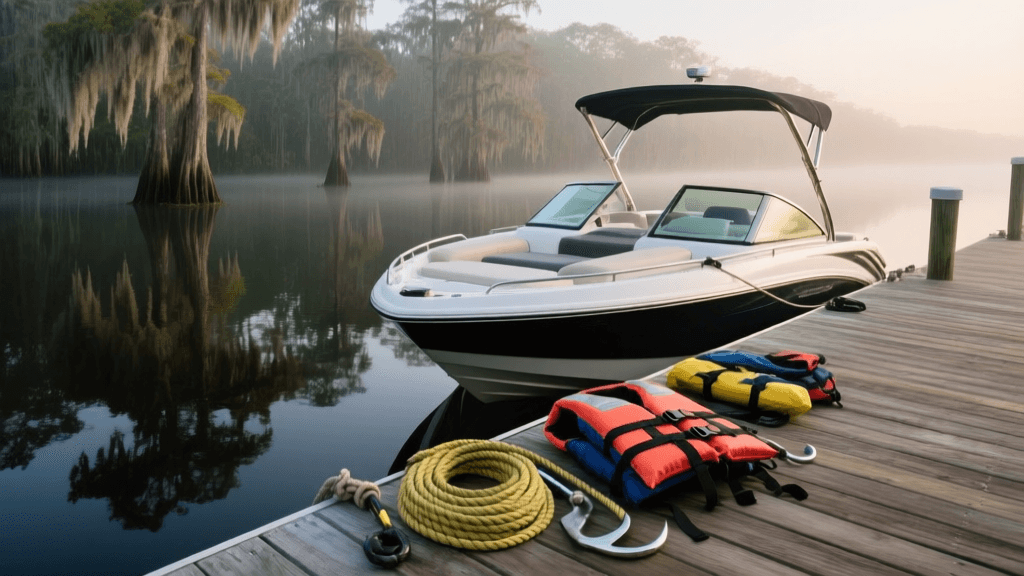
Water Sports Coverage in Beaumont, TX
Water Sports Coverage Policy Checklist for Beaumont, TX
Water sports such as tubing, wakeboarding, and waterskiing can create coverage questions that a standard boat policy may...
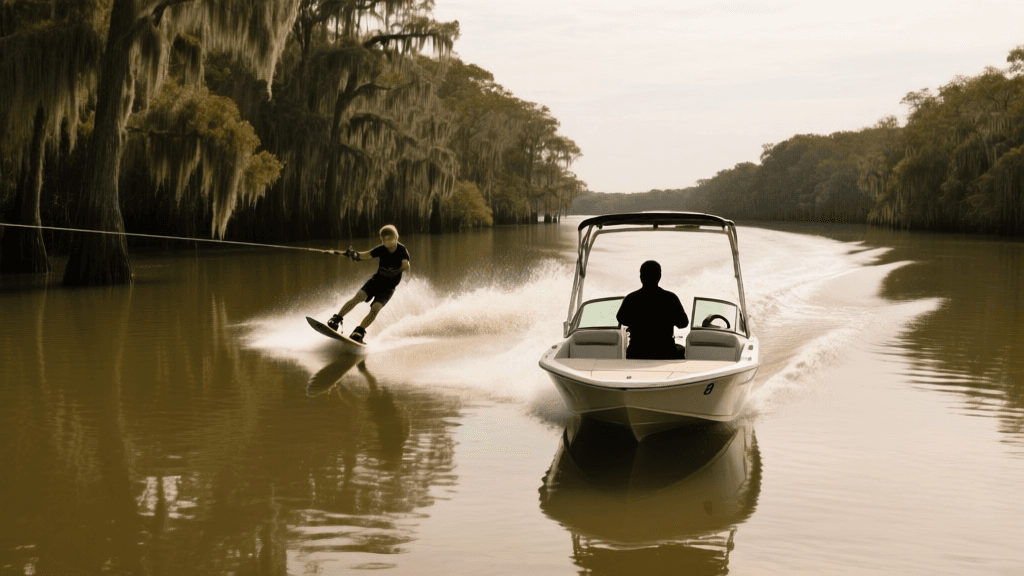
Water Sports Coverage in Beaumont, TX
Water Sports Coverage Basics for Beaumont, TX Boaters
Waterskiing, wakeboarding, and tubing introduce risks that ordinary boat use may not fully address. This guide explains ...