Why Review Water Sports Coverage Before Heading Out?
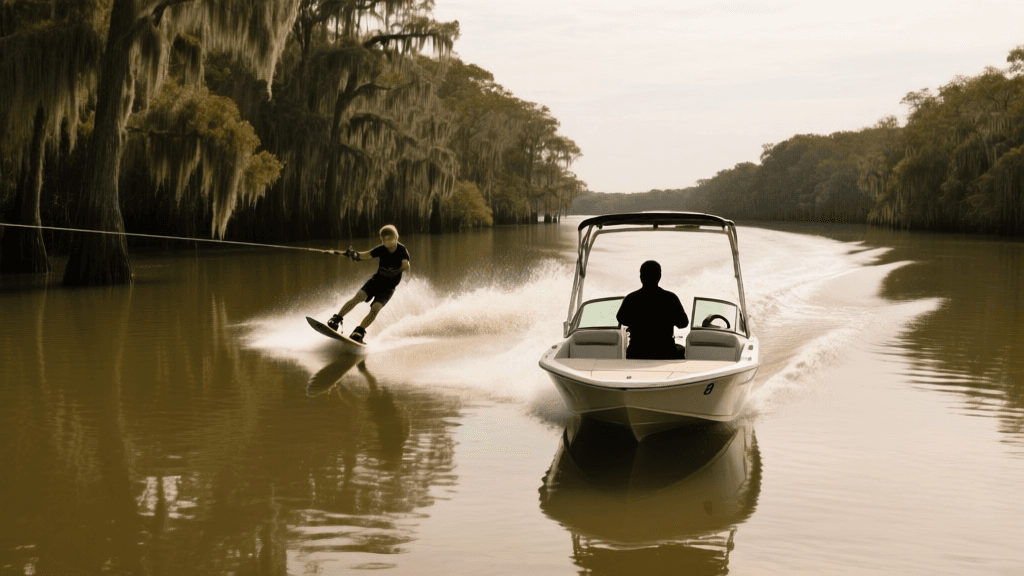
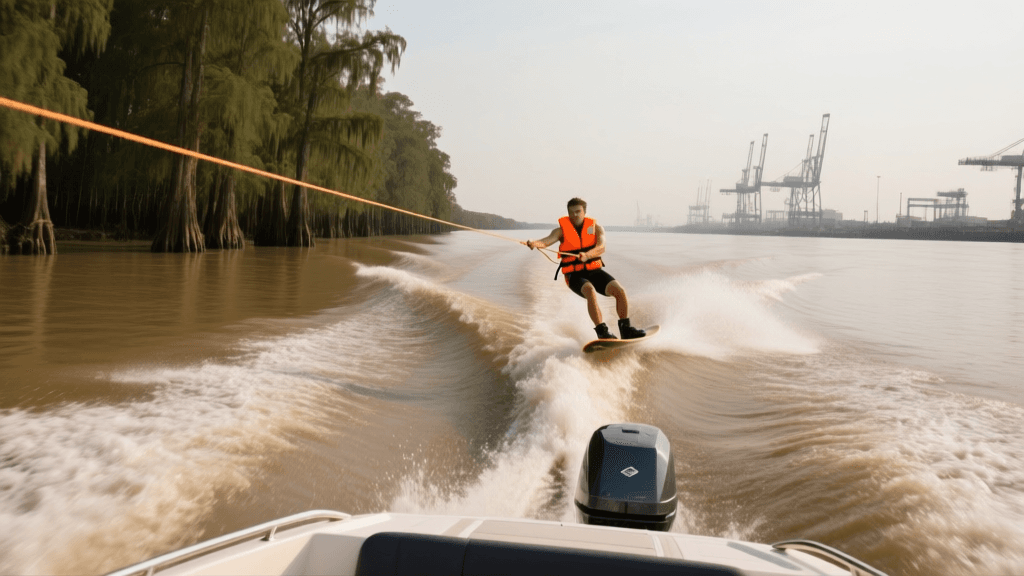
Tubing, wakeboarding, waterskiing, and similar activities add risks that ordinary cruising does not. A person being towed may fall, collide with another watercraft, or need medical care, while the boat operator is responsible for watching the participant and navigating safely. In Beaumont, warm-weather outings on area waterways can bring families and friends together, but a policy’s treatment of each activity depends on its wording. Before the next trip, review the declarations page and policy forms rather than assuming that “boat insurance” automatically covers every sport. This guide highlights the questions to ask about activities, participants, liability limits, equipment, operators, and exclusions.
What Water Sports Does the Policy Actually Cover?
Start by identifying each activity you expect to do, then compare that list with the policy language. Some policies define water sports broadly; others name towing activities or set conditions for when coverage applies. Check tubing, wakeboarding, waterskiing, kneeboarding, and personal watercraft use individually instead of treating them as interchangeable. A policy may cover damage to the boat but restrict liability arising from a participant being towed, or it may apply only when required safety practices are followed. If a clause is unclear, ask the insurer for a written explanation and keep it with your policy records. A quick review before a trip can prevent a costly misunderstanding after an accident.
Define Who Counts as a Participant
Participant definitions can determine whether an injury falls under a particular coverage or exclusion. Find out whether the policy distinguishes between the boat operator, passengers aboard, and a skier or rider being towed behind the boat. Ask how it treats a person entering or leaving the water, using a towable, or helping from a nearby vessel. For example, a family may assume a friend riding an inflatable tube is covered in the same way as a passenger sitting in the boat, even though policy wording may treat those roles differently. Review medical payments and liability provisions together, and ask whether they apply to injuries involving household members, guests, or paid instructors.
Check Liability Limits and Related Coverage
Liability coverage may help address covered claims that the boat operator caused bodily injury or property damage, but the limit is not unlimited and policy terms matter. Review the per-occurrence limit and determine whether it is shared with other liability claims under the policy. Consider realistic scenarios: a towed rider is injured, a boat’s wake damages another craft, or a collision involves more than one person. Ask whether water sports create a separate sublimit, require an endorsement, or are excluded altogether. Medical payments coverage may help with certain eligible expenses regardless of fault, subject to its terms and limits. Compare coverage amounts with your assets, boating habits, and the number of people typically on board.
Account for Tow Sports Gear and Boat Equipment
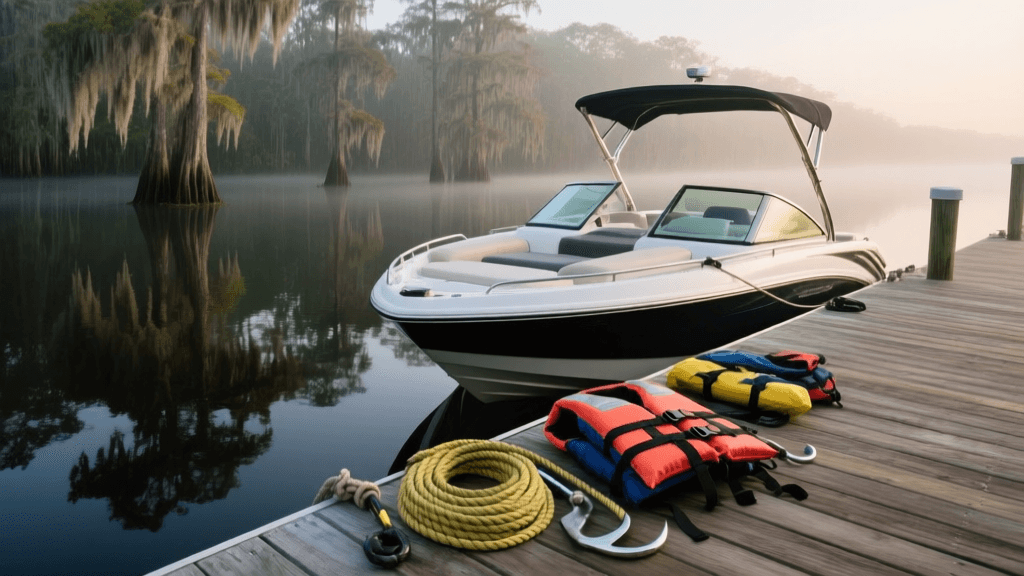
Make an inventory of the equipment used for water sports, including tow ropes, tubes, boards, skis, racks, and any permanently installed towing tower. Then check whether each item is covered as part of the boat, listed equipment, or personal property, and whether depreciation, deductibles, or special limits apply. An aftermarket tower or other modification should be disclosed to the insurer; leaving it off the application could affect how a claim is handled. Also ask whether coverage applies while equipment is stored, transported, or in use, and whether theft away from the boat is treated differently. Keep receipts, serial numbers, and current photographs so that ownership and value are easier to document if a covered loss occurs.
Verify Operator Qualifications and Safety Conditions
Check who is permitted to operate the boat and whether the insurer sets age, experience, or training requirements. A policy may list named operators, exclude certain drivers, or require compliance with applicable boating laws. Texas rules can vary with operator age and circumstances, so consult current state guidance rather than relying on assumptions. Ask whether a new or occasional operator must be reported, and whether coverage changes when someone borrows the boat. Review any safety conditions connected to towing, such as having a competent observer aboard, using appropriate signaling, and carrying properly fitted life jackets. These precautions support safer outings, but only the policy and applicable law determine formal coverage and legal requirements.
Local Considerations for Beaumont Boat Owners
Beaumont boaters may travel to different waterways across Southeast Texas, including the Neches River area, nearby lakes, and coastal destinations. Conditions can change between sheltered water and more exposed routes, so the boat’s intended use, navigation territory, and storage location should match the information on the policy. If a trip extends beyond the usual area, ask whether navigation limits or geographic restrictions apply. Owners in nearby Vidor, Port Arthur, Nederland, Orange, and Port Neches may have different launch routines and travel patterns, but the same practical step applies: describe where the boat is kept and how it is used. Seasonal storms and heavy rain also make it sensible to review storage, storm-preparation, and physical-damage provisions.
Read Exclusions and Keep a Useful Review Record
Exclusions deserve as much attention as the coverage summary. Look for language about racing, commercial or paid instruction, intoxication, unauthorized operators, improper use, and particular towing activities. Do not assume that an exclusion is irrelevant because an activity is occasional; ask how the exact wording applies to your plans. Keep a simple record of the date you reviewed the policy, the activities discussed, the answers received, and any endorsements added. When a change is made, confirm that the revised documents show the correct boat, equipment, operators, and coverage dates. This record is especially useful when a boat is shared among relatives or friends, because everyone can understand the boundaries before setting out.
Quick Water Sports Policy Checklist
- Name every activity planned, including tubing, wakeboarding, waterskiing, and kneeboarding, and confirm each is covered.
- Ask how the policy defines passengers, operators, and people being towed, including injury and medical-payment treatment.
- Check liability limits, any water sports sublimits, deductibles, and whether an endorsement is needed.
- Inventory sports gear and disclose towers, racks, or other modifications; retain photographs and purchase records.
- Confirm eligible operators, training or age conditions, applicable safety rules, navigation territory, and storage details.
- Read exclusions carefully and request written clarification when a term could affect a planned activity.

Next Steps: Compare the Policy With Your Plans
Set aside the declarations page, coverage forms, equipment list, and any endorsements, then compare them with the way the boat is actually used. Write down unanswered questions about a specific sport, participant, operator, or location and ask the insurer to explain the relevant wording. If the current terms do not fit, compare available options using the same boat details and activity list so the differences are meaningful. Avoid choosing a policy on price alone: a lower premium may reflect different limits, deductibles, conditions, or exclusions. Beaumont-area owners can also reassess after adding equipment, changing operators, or planning travel outside their normal waters. Clear documentation before launch is a practical step toward safer, better-informed boating.
Review Your Boat Policy Before Your Next Outing
Compare your planned water sports, operators, equipment, and liability needs with the written terms of your current policy.
Get a Free Quote