Why Water Sports Safety Matters in Beaumont
Towing a tuber or wakeboarder can turn an ordinary outing into a higher-responsibility day on the water. In Beaumont, changing weather, busy recreational areas, and unfamiliar boat traffic make preparation especially important. A safe trip begins before the engine starts: passengers should understand their roles, equipment should be ready, and the operator should know where the activity will take place. These steps help reduce preventable injuries and make it easier to respond if something goes wrong. They also matter when reviewing boat insurance, because the activity, the boat’s use, and the people operating it can affect how a policy applies. This guide explains practical precautions and useful coverage questions.
Plan for Conditions and Set Expectations
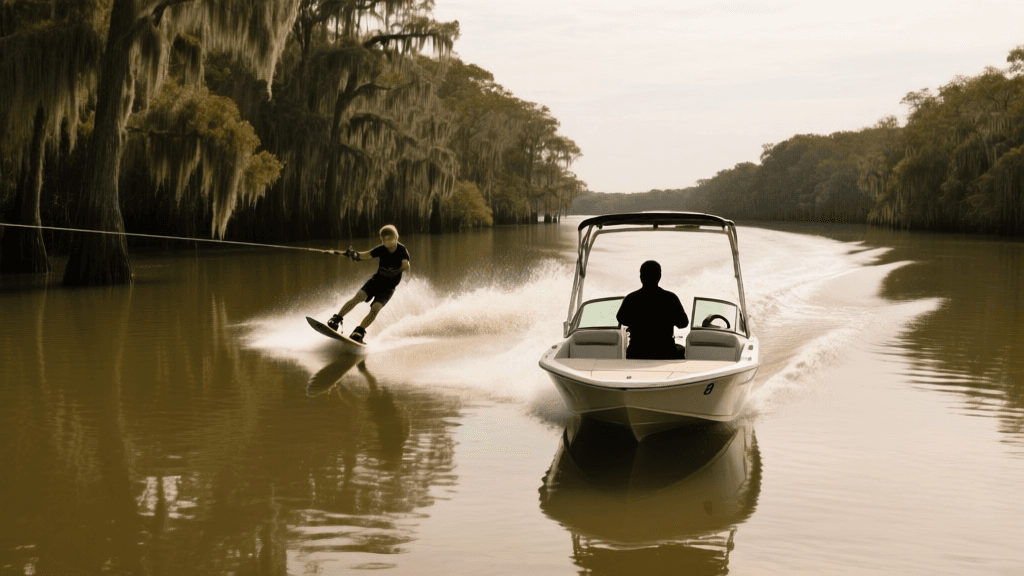
Water sports require more coordination than simply attaching a tow rope. Before leaving a Beaumont launch or dock, check the forecast and consider visibility, wind, thunderstorms, and water conditions along the planned route. Agree on a designated activity area away from swimmers, docks, and other vessels, and avoid assuming that a familiar stretch will be quiet. Make sure every passenger knows where to sit, how to move safely around the boat, and what to do if the rider falls. Texas boating rules and safety requirements can apply to operators, passengers, and equipment, so check current guidance before a trip. A short plan helps everyone make safer decisions when conditions change.
Brief Passengers and Assign a Dedicated Spotter
A clear passenger briefing should cover how the rider will communicate, what signals mean “stop” or “slower,” and who will watch for the rider after a fall. Assign a spotter whose attention stays on the person in the water rather than on conversation, phones, or other tasks. The operator must still watch the boat’s course and surroundings, so the spotter provides an important second set of eyes. Before towing, explain how the rider should signal that they are ready and how the boat will approach after a fall. Keep everyone seated while the boat is moving, and do not restart until the rope and rider are clear. Simple, agreed-upon roles can prevent confusion at critical moments.
Inspect Equipment and Operate With Room to React
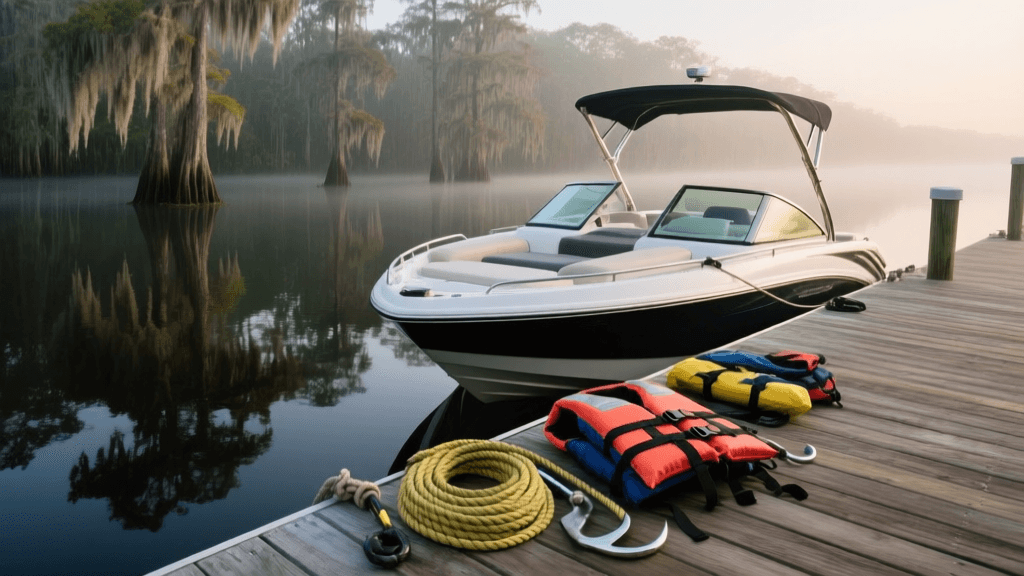
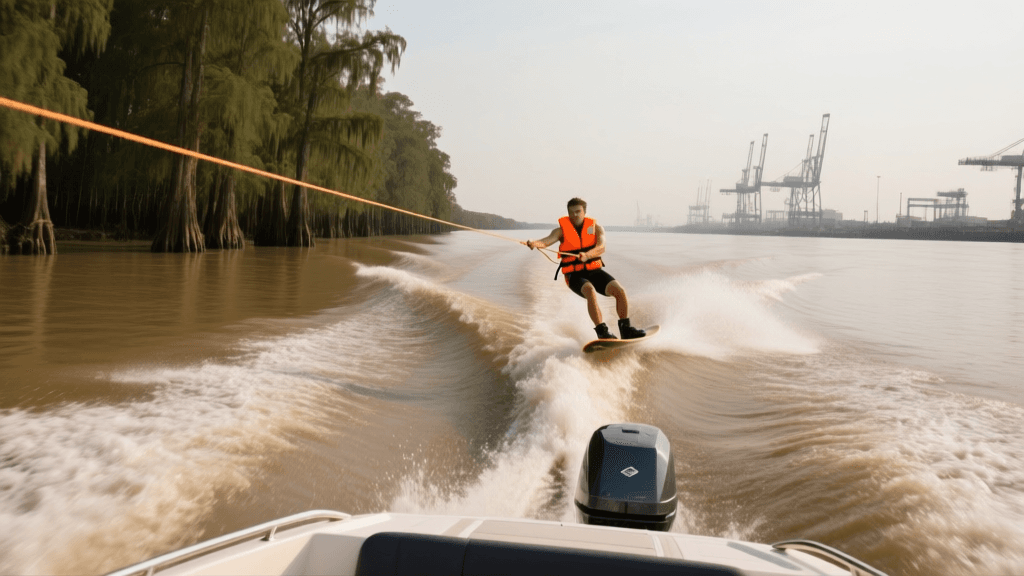
Check life jackets for proper fit, damage, and suitability for each person, and confirm that required safety equipment is aboard and accessible. Inspect tow ropes, handles, and tow points for wear or loose connections; replace questionable gear rather than relying on a quick repair. Keep the engine, steering, and safety systems in good working order, and make sure the operator knows how the boat handles with a load and a person in tow. Maintain a controlled speed appropriate to the rider, visibility, and traffic, and leave generous space for turns and stopping. Never tow near swimmers, shorelines, docks, or congested areas. If conditions deteriorate or the spotter cannot maintain a clear view, end the activity.
Understand Liability and Review Your Boat Policy
Water sports can raise questions about responsibility if a passenger, rider, or another boater is injured or property is damaged. Liability coverage may help with certain covered claims, but the exact protection depends on policy wording, limits, exclusions, and the circumstances of an incident. Do not assume that every activity, operator, passenger, or type of watercraft is treated the same way. Before the season, ask an insurance professional whether towing activities are covered, whether there are operator or age restrictions, and whether the liability limit fits the boat’s use and assets at risk. Also ask how medical payments, physical damage, and equipment coverage work. A written review is more useful than relying on assumptions made when the policy was first purchased.
Local Considerations for Beaumont and Nearby Boaters
Beaumont boaters may head to different waterways and launch points depending on the day, and conditions can vary from one location to another. A trip toward Port Arthur, Orange, or communities such as Nederland and Port Neches may involve different traffic, access, or weather considerations than a familiar local outing. Check current conditions and local restrictions for the specific waterway rather than relying on memory or a previous trip. Allow extra time to reach a suitable open area, and keep a map or navigation tool available if the route is unfamiliar. Secure loose equipment before travel and confirm that every passenger understands the plan. Local knowledge helps, but it does not replace an up-to-date weather check, safe judgment, and a policy review suited to the boat’s actual use.
Turn Preparation Into a Repeatable Routine
A practical routine makes safety easier to maintain when the group is excited to get on the water. Before each outing, confirm the forecast, check the boat and tow gear, fit life jackets, brief passengers, and appoint a spotter. During the activity, keep the operator attentive, leave room around the rider, and stop when visibility, traffic, or weather makes towing less predictable. Afterward, inspect equipment and note any damage or maintenance needs before the next trip. Separately, review policy documents for the listed boat, operators, coverage limits, deductibles, and exclusions, then ask for clarification where the language is unclear. These habits help Beaumont boat owners make informed choices without treating insurance as a substitute for careful operation.
Review Your Boat Coverage Before the Next Outing
Compare policy details and ask a qualified insurance professional how your coverage applies to the water sports activities you plan to enjoy.
Get a Free Quote