Why Beaumont Boaters Benefit From a Personal Effects Inventory
If a theft, fire, collision, or severe storm damages items aboard your boat, it can be difficult to remember everything you owned and what each item was worth. A boat personal effects inventory is a dated record of belongings kept on board, supported by descriptions, images, purchase records, and replacement estimates. For Beaumont boaters, making that record before a loss can help with a policy review and give an adjuster clearer information if a claim occurs. This guide explains how to build a practical inventory, protect the files, and check whether the items you value fit the terms and limits of your policy.
What Counts as Personal Effects on a Boat?
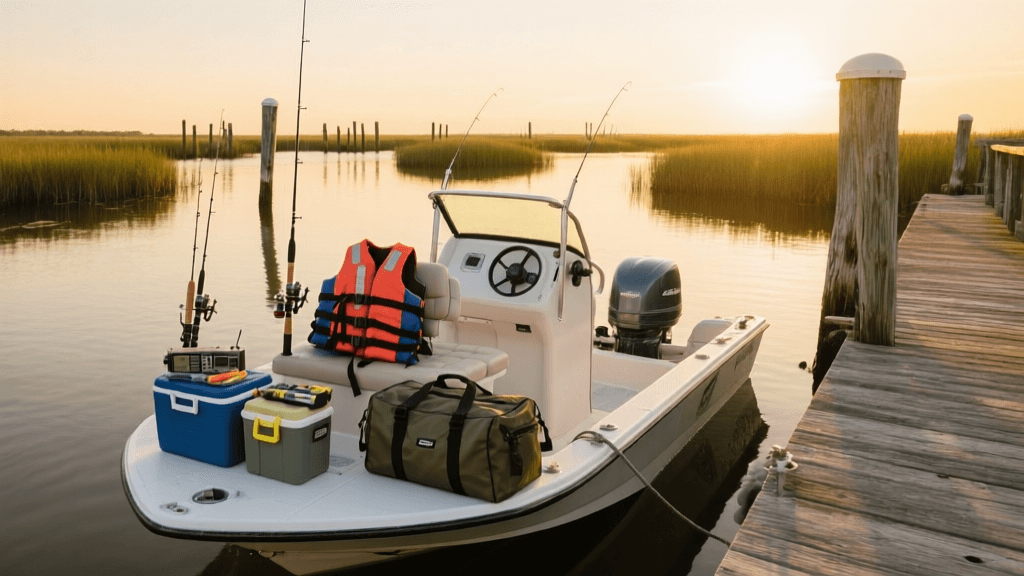
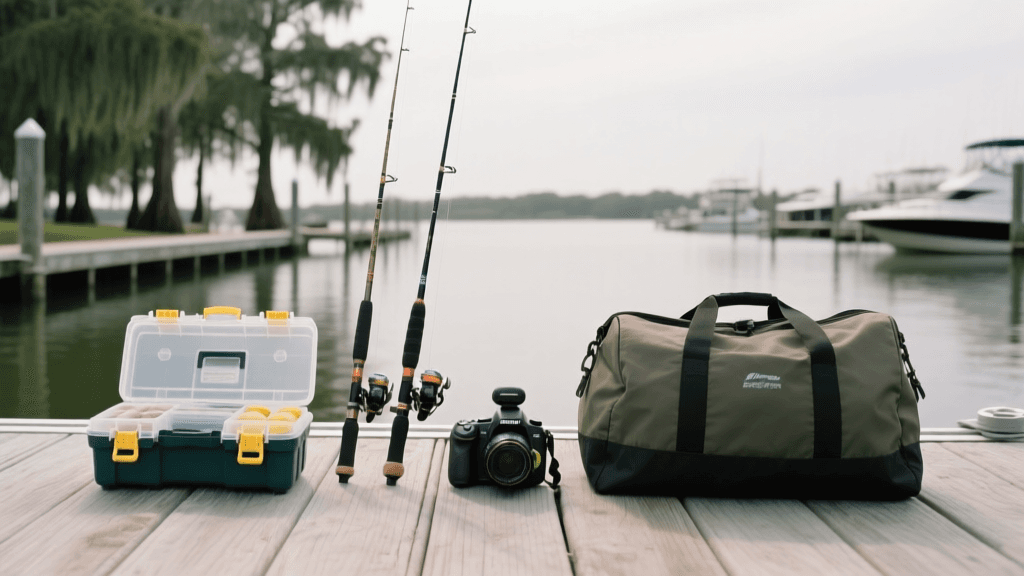
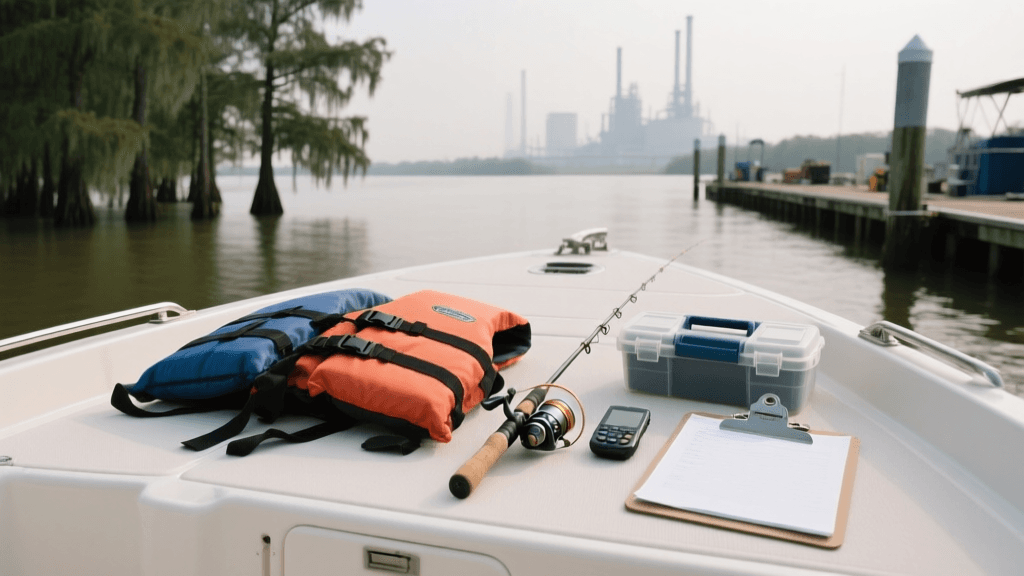
Personal effects generally means movable belongings kept aboard, rather than the boat itself or permanently installed equipment, though policy definitions differ. A useful inventory might include a handheld GPS, portable radio, fishing rods and reels, tackle, binoculars, tools, life jackets, coolers, and personal electronics. List items individually when their value or identity matters; grouping several inexpensive items is reasonable if the group is described clearly. In Beaumont, gear may move between a boat, vehicle, garage, and home, so note which items are normally aboard and which are taken along only for particular outings. Never assume an item is covered just because it appears on the inventory.
Start With a Careful Walk-Through
Choose a calm, well-lit time and inspect the boat systematically, moving from the helm and cabin to storage compartments, deck lockers, and safety equipment. Record one item at a time, including its plain-language description, brand, model, quantity, approximate age, and where it is stored. Photograph the item and, when practical, capture a close-up of identifying details. Include accessories that can be overlooked, such as battery chargers, removable displays, portable anchors, and specialty tools. For fishing gear, describe higher-value rods and reels separately rather than writing only “fishing equipment.” A repeatable route makes updates easier when you buy, remove, or replace gear.
Gather Receipts, Serial Numbers, and Photos
Attach proof that helps identify each important item and its cost. Useful records include store receipts, emailed order confirmations, warranty documents, bank or card statements, and manuals showing the model number. Record serial numbers for electronics and other products that have them; if a label is hard to reach, photograph it before reinstalling or stowing the item. Take wide photos that show the overall storage area as well as close-ups of individual belongings. Keep original files where possible, because image metadata may show when a photo was taken. If a receipt is missing, write down the best available purchase details and mark any estimate honestly rather than presenting it as a documented price.
Estimate Replacement Costs Without Guesswork
A purchase price and a current replacement estimate answer different questions. For each item, note what was paid when known, then check the current price of a comparable model with similar function and quality. Save a dated screenshot or retailer quote for costly equipment, and explain when an exact model is no longer sold. Do not inflate estimates or assume an older item can be replaced with a premium upgrade. Policy settlement provisions may use replacement cost, actual cash value, or another method, and depreciation, deductibles, sublimits, and exclusions can affect payment. A reasonable, traceable estimate is more useful than a round number chosen from memory.
Keep the Inventory Secure and Separate From the Boat
A perfect inventory is of limited use if it disappears in the same incident as the boat. Store a digital copy in a reputable, password-protected cloud account and keep a second copy on a separate device or at home. Use a strong, unique password and enable multifactor authentication when available, especially if the inventory includes receipts or personal details. Avoid leaving the only copy on a phone routinely carried aboard or in a paper binder kept in a cabin locker. Organize files by date and make sure images open correctly after backing them up. If others help manage the boat, decide who can access the records and how they can retrieve them if the owner is unavailable.
What Beaumont and Southeast Texas Boaters Should Consider
Boaters based in Beaumont may take their vessels and gear toward nearby waterways, launch areas, and coastal destinations, while keeping equipment at home or in storage between trips. That movement makes it especially helpful to label what is normally aboard and update the list when gear is moved, loaned, or replaced. Southeast Texas weather can also bring heavy rain, strong winds, and storm-related disruptions, so do not wait for a forecast to document belongings or back up files. Boaters in Vidor, Orange, Port Neches, Groves, Nederland, Port Arthur, and nearby communities can use the same approach. Check the policy for navigational limits, storage requirements, and how it treats property away from the vessel.
Turn the Record Into a Useful Coverage Review
Once the inventory is complete, compare its contents with the wording and limits in the boat policy. Ask how personal effects are defined, whether coverage is subject to a separate limit or deductible, and whether particular categories such as electronics, fishing gear, or equipment used for work have restrictions. Confirm whether items are covered only aboard the boat or also while being transported or stored elsewhere. Keep the answers and policy documents with the inventory, but do not treat a list as a promise of payment: the contract, exclusions, conditions, and facts of a loss govern a claim. Revisit the review after a major purchase, a change in how the boat is used, or a renewal.
A Practical Inventory Checklist
- Describe each significant item with its brand, model, quantity, approximate age, and usual storage location.
- Photograph belongings, labels, serial numbers, and the relevant storage areas before an incident occurs.
- Save receipts and order confirmations, and clearly distinguish documented costs from estimated replacement values.
- Back up dated inventory files in at least two secure locations separate from the boat.
- Review policy definitions, limits, deductibles, exclusions, and off-boat treatment with the insurer.

Maintain the Inventory and Prepare for a Claim
Set a reminder to review the inventory at least once a year and after buying, selling, or replacing significant equipment. Add new records promptly, remove items that are no longer aboard, and preserve older versions with clear dates instead of overwriting everything without a trace. If damage or theft occurs, follow the insurer’s reporting instructions, protect people from immediate hazards, and avoid discarding damaged property before receiving guidance when it is safe to retain it. Share only the requested documentation through secure channels. A timely, organized record can make it easier to answer questions, but it cannot guarantee coverage or a particular claim outcome. Accurate entries and consistent updates are the most reliable preparation.
Review Your Boat Coverage With Better Documentation
Build your inventory, then compare it with your policy’s personal effects terms and ask an insurance professional about any gaps or unclear limits.
Get a Free Quote