What Personal Effects Coverage Means for Beaumont Boat Owners
A day on the water often means bringing more than the boat itself: phones, fishing tackle, life jackets, sunglasses, portable electronics, and dry bags all travel aboard. Personal effects coverage is an optional or included part of some boat insurance policies that may help pay for certain belongings damaged or stolen in a covered event. The exact definition, limit, deductible, and covered causes of loss depend on the policy. For Beaumont boat owners, checking these details before a trip can prevent an unpleasant surprise after a theft, fire, or collision. This guide explains what to review, how to value belongings, and what records can make a claim easier to support.
Why Boat Belongings Need a Separate Coverage Check
Boat insurance primarily protects the watercraft and may provide liability coverage, but that does not automatically mean every item aboard is insured. Personal belongings may have a separate sublimit, a per-item cap, or restrictions tied to where an item was when it was lost. A homeowner or renter policy might offer some off-premises protection, but it can have different exclusions, deductibles, or limits for property used on a boat. In Beaumont, where owners may trailer to nearby launches or store equipment separately between outings, it is worth asking how coverage applies aboard, in transit, and while the boat is parked. Read the policy wording rather than relying on a general description.
Which Belongings Might Be Covered?
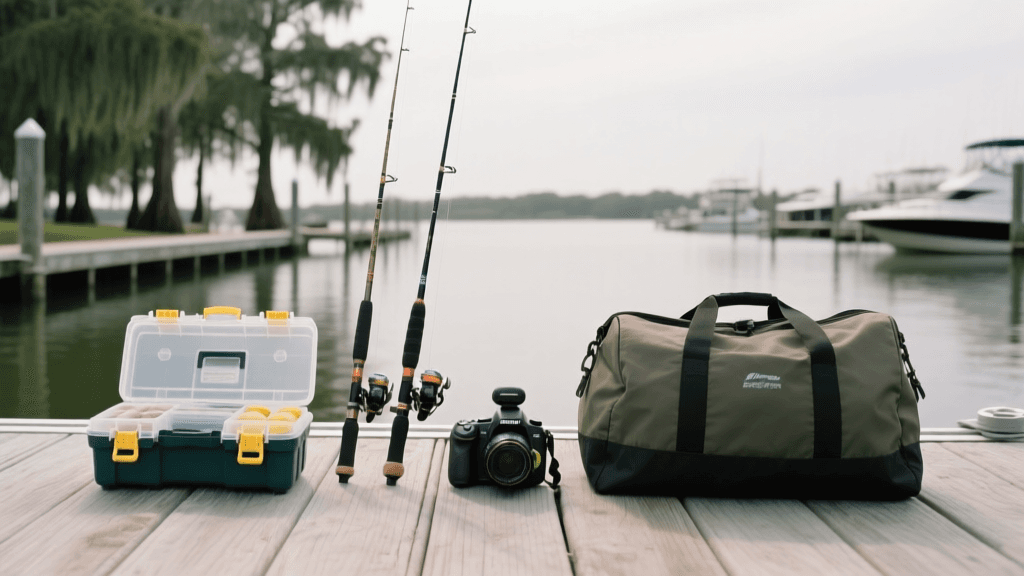
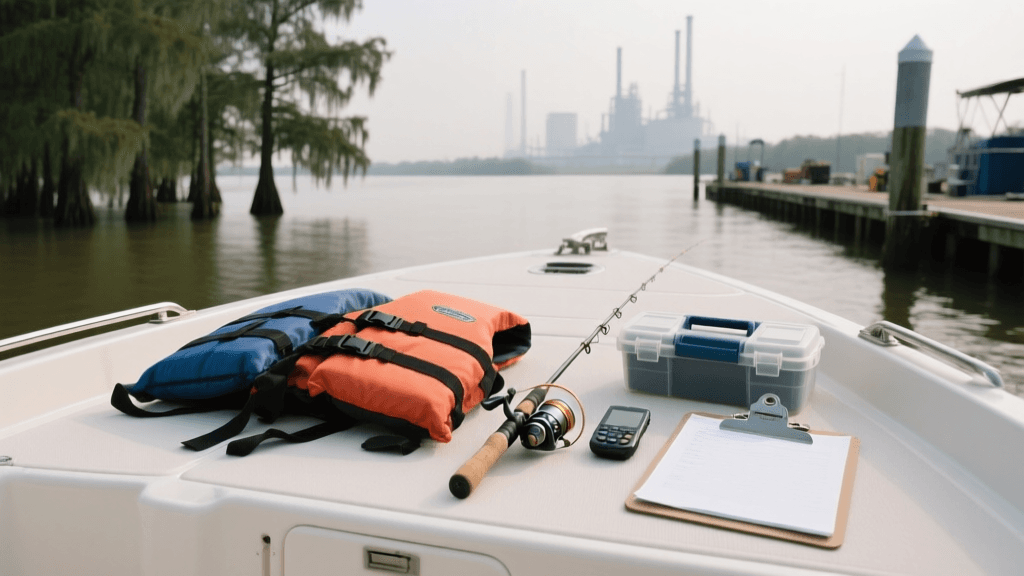
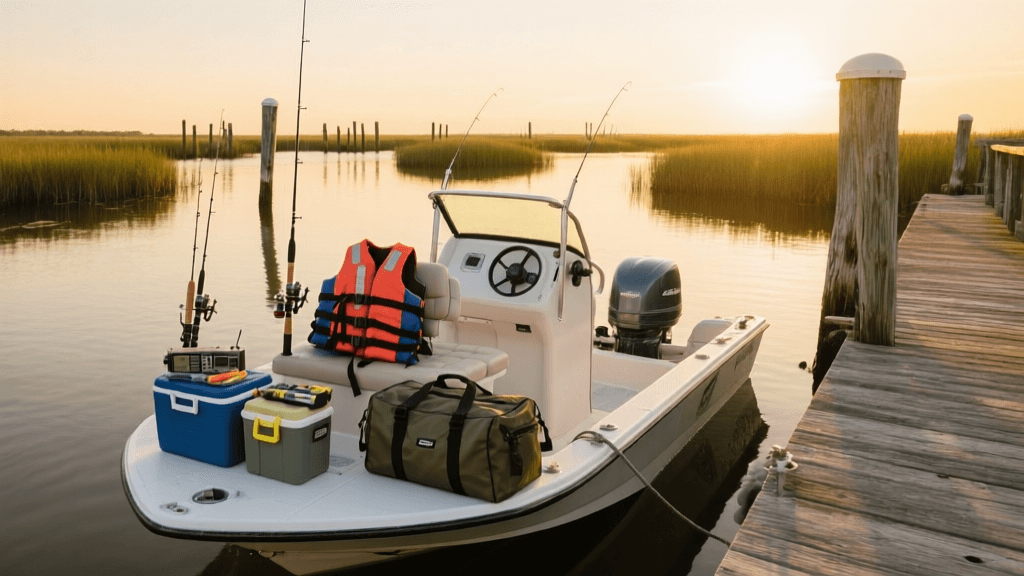
Depending on the policy, covered personal effects may include ordinary items used during recreational boating, such as clothing, binoculars, fishing gear, portable electronics, and personal flotation devices. Coverage generally applies only when the loss results from a cause the policy insures, and some policies distinguish personal property from equipment permanently installed on the boat. For example, a portable GPS unit may be treated differently from a navigation system fixed to the console. Before assuming an item qualifies, ask how the insurer defines personal effects and whether equipment used for fishing or other activities has special limits. A written inventory grouped by item type can help identify gaps before the next trip.
Covered Losses, Theft, and Common Exclusions
A policy may cover belongings when they are stolen or damaged by a listed event, such as a covered boat collision, fire, or other specified loss. But theft coverage can come with conditions. The policy may require evidence of forced entry, reasonable care to secure the boat, or prompt reporting to authorities. Items left unattended in an unlocked boat could be treated differently from property taken after a secured cabin is broken into. Common restrictions may apply to cash, jewelry, business property, tools, perishable goods, or high-value electronics, and wear, deterioration, or unexplained disappearance may not qualify as an insured event. Ask for examples of how these rules work, and confirm any security or storage requirements before relying on coverage.
Limits, Deductibles, and How Items Are Valued
The amount payable after a loss can be less than the replacement price of everything aboard. A policy may set an overall personal effects limit, a smaller maximum for certain categories, and a deductible that applies to the claim. Valuation may be based on actual cash value, which can account for depreciation, or replacement cost when the policy provides that basis and its conditions are met. Consider a several-year-old fish finder or a well-used rod: the settlement might not equal the current price of a new model. Ask whether limits apply per item or per occurrence, whether the deductible is separate from the boat deductible, and what proof is needed to establish an item’s age, condition, and purchase price.
Build a Useful Inventory Before You Need One
A simple inventory can make it easier to explain a loss and distinguish personal property from boat components. Photograph belongings individually and in their usual storage locations, and record the make, model, serial number, purchase date, and approximate value where available. Keep receipts, order confirmations, warranties, and repair records in a secure digital folder rather than relying only on papers stored aboard. Update the list after buying expensive gear or removing items for the season. Beaumont owners who tow a boat to a launch should also keep a record of what is loaded before departure; dated photos can help show which belongings were present. Store copies somewhere accessible even if a phone or boat is lost.
Local Considerations Around Beaumont and Nearby Waterways
Boaters based in Beaumont may travel to different launch points and waterways across Southeast Texas, including areas near Port Arthur, Orange, Vidor, and Port Neches. A trip can involve towing, time at a marina or ramp, and periods when the boat is unattended, so confirm whether the policy follows belongings through each part of that journey. Heat, humidity, and sudden storms also make secure, dry storage practical even when no claim is involved; damaged items from gradual moisture exposure may not be treated like sudden accidental damage. Ask how the policy applies when the boat is stored at home, kept at a facility, or temporarily docked. Conditions can vary by policy and location, so get answers for the situations you actually face.
Questions to Ask When Reviewing Your Policy
- What is the total personal effects limit, and are there lower limits for electronics, fishing gear, jewelry, or other categories?
- Are belongings covered while aboard, in transit, at a marina, and in a stored or unattended boat?
- Does theft coverage require signs of forced entry or particular security measures?
- Is payment based on actual cash value or replacement cost, and what deductible applies?
- Which belongings are excluded, and how should valuable equipment be insured or documented?

What to Do After a Belonging Is Lost or Damaged
If belongings disappear or are damaged, first make the scene safe and prevent further loss when possible. For suspected theft, report it to the appropriate law enforcement agency and keep the incident or report number. Notify the insurer promptly, follow its instructions, and avoid discarding damaged property until the claims representative says it is okay. Take photographs, make a list of missing or damaged items, and gather receipts, inventory notes, serial numbers, and any relevant marina or repair records. Be accurate about when the items were last seen and how they were stored. A prompt, organized report does not guarantee payment, but it gives the insurer clearer information to assess the claim under the policy.
Next Steps for Comparing Personal Effects Coverage
Before the next outing, compare the personal effects wording in your boat policy with the belongings you routinely carry. Add up realistic replacement costs, identify high-value items, and note anything that might fall under a special limit or exclusion. Then ask an insurance professional to explain the applicable limit, deductible, valuation method, theft conditions, and how coverage works during towing and storage. If a policy does not fit your needs, ask whether a higher limit or another coverage option is available and what it costs. Keep the answers with your inventory and revisit them when equipment changes. For Beaumont boat owners, a short review before boating season can clarify what is protected and where a coverage gap may remain.
Review Your Boat Belongings Coverage
Compare your inventory with your policy limits and ask a licensed insurance professional to clarify any exclusions or coverage gaps.
Get a Free Quote