What Counts as a Personal Effect on a Boat?
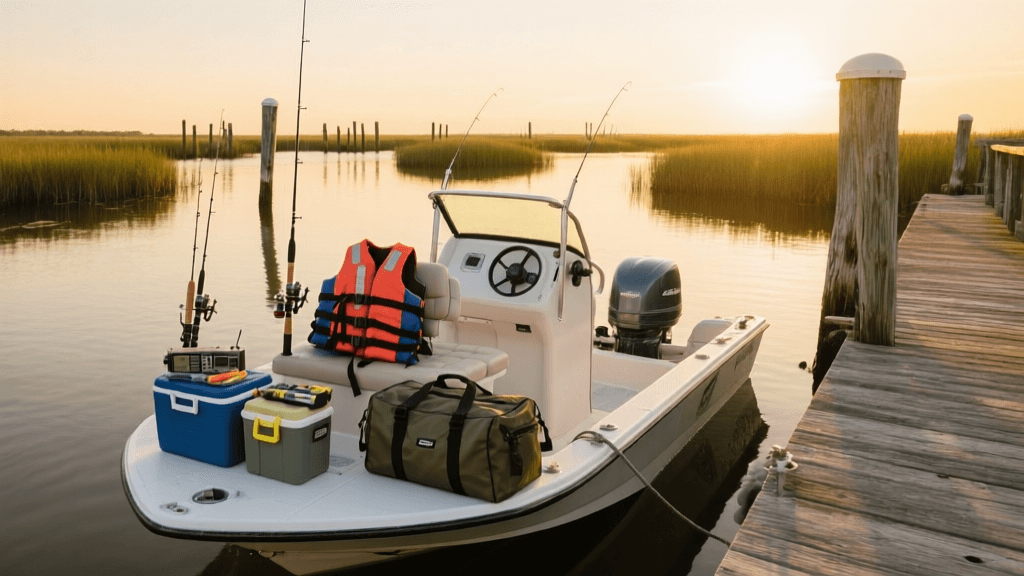
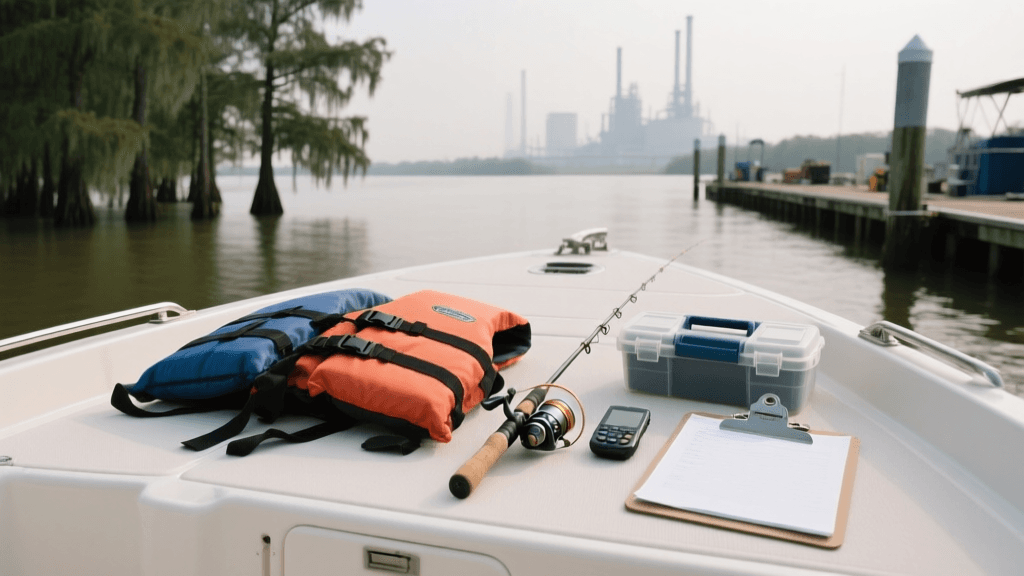
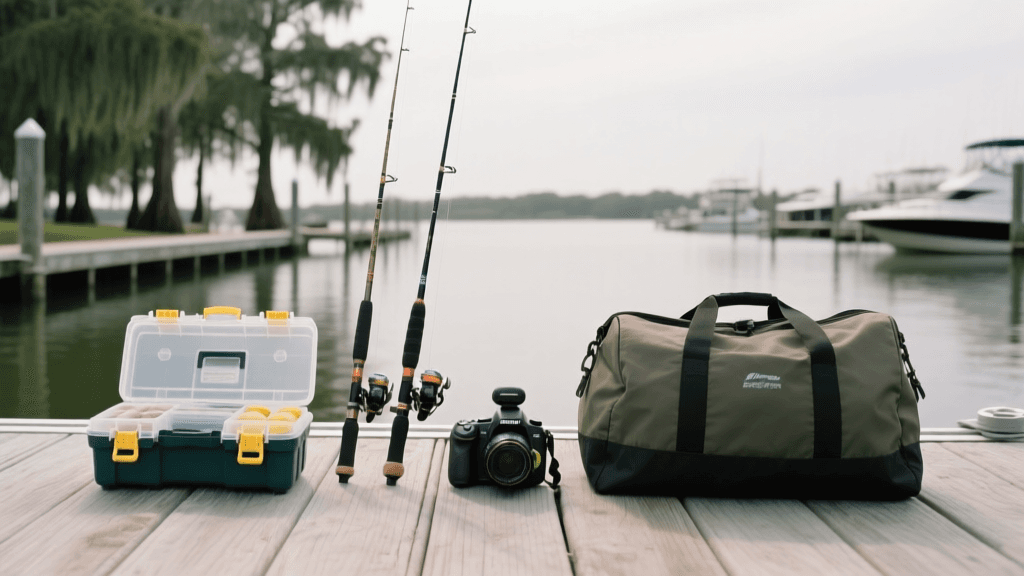
A phone in a dry pouch, fishing tackle, portable binoculars, or a duffel bag are examples of belongings an owner might consider personal effects. The important distinction is that these items are generally portable and brought aboard for a trip, rather than built into the vessel. In Beaumont, a day on the Neches River or a trip toward Sabine Lake can involve gear for fishing, navigation, comfort, and safety. A boat policy may offer limited personal effects protection, but the policy wording controls what qualifies, where coverage applies, and whether theft or accidental damage is covered. Check the actual contract rather than assuming every item aboard is insured.
Why the Distinction Matters in Beaumont
Boat policies often separate the vessel itself, permanently installed equipment, and personal property. That distinction can affect the applicable coverage limit, deductible, and claim process. A fixed marine radio or built-in navigation display may be treated as boat equipment, while a handheld GPS or personal camera may be treated as a belonging. Southeast Texas boaters also move items between home, vehicle, marina, and boat, so it is worth asking when and where protection applies. Seasonal storms, heavy rain, and humid conditions can prompt owners to remove electronics or fishing gear between outings. A clear inventory helps identify what needs boat coverage, what may fall under a homeowners policy, and where exclusions or overlapping coverage could matter.
Portable Gear to Review for Coverage
Start with the belongings regularly carried aboard, not just high-priced electronics. Fishing rods, reels, tackle boxes, portable depth finders, handheld radios, binoculars, coolers, clothing, and personal flotation accessories can add up over time. Make a practical list of each category and estimate replacement cost using current prices, not what an item cost years ago. For example, replacing several rods and a complete tackle collection after a theft could be more expensive than replacing one item at a time suggests. Ask whether the policy covers theft, accidental loss, or damage from a covered event, and whether there are special limits for electronics or sporting equipment. Keep receipts or clear photos with the inventory.
Separate Personal Belongings from Boat Equipment
Items attached to the vessel may be treated differently from personal effects. Permanently installed stereos, marine radios, fixed GPS units, onboard batteries, and built-in safety equipment are commonly reviewed as part of the boat’s equipment or accessories, depending on policy definitions. A removable chartplotter or portable trolling motor can be less straightforward, so describe how it is mounted and used when requesting a coverage review. Also distinguish upgrades from the original vessel configuration. If a boat has been refitted with added electronics or a new motor, the insurer may need updated information to evaluate its insured value. Do not rely on an item’s everyday label; the policy’s definition and schedule determine how it is handled.
Give Extra Attention to High-Value Items
Cameras, tablets, premium fishing equipment, specialized diving gear, and expensive portable electronics may exceed a general personal property limit or fall under a category-specific cap. Ask for the limit that applies to each class of property, whether a deductible applies, and whether the item must be listed individually. Some policies may require proof of ownership, an appraisal, or a receipt for valuable property. Consider whether an item is covered only while aboard or also while being transported and stored elsewhere. If you use a device for navigation, photograph its model and serial number and retain purchase information. Comparing the limit with realistic replacement cost can reveal a shortfall before a loss occurs.
Storage and Documentation Reduce Hassles
Good storage habits cannot replace insurance, but they can reduce avoidable losses and help establish what was aboard. When leaving a boat at a Beaumont-area launch or marina, take portable electronics and valuables with you when practical, secure remaining gear in a locked compartment, and avoid leaving items visible. Rinse and dry salt-exposed equipment as directed by its manufacturer, and store electronics in protective cases between outings. Keep a dated inventory at home or in secure digital storage, with photographs showing the item and its identifying details. Update the record after purchasing equipment or removing an item permanently. If a claim occurs, prompt documentation can help explain ownership, condition, and approximate value.
Local Considerations for Beaumont Boaters
Beaumont boat owners may use their vessels on the Neches River, travel toward Sabine Lake, or trailer to launch points around Port Arthur, Orange, and nearby communities. Those different outings can mean different combinations of fishing equipment, personal electronics, and safety gear. Ask whether the policy territory and storage provisions fit the places where the boat is actually used and kept. Owners in Vidor, Nederland, Port Neches, Groves, and Lumberton can apply the same review: identify belongings that travel aboard, note items left in the vessel between trips, and confirm coverage for theft or weather-related loss rather than presuming it. If the boat is trailered, also ask how belongings are treated during transport and while the vessel is parked.
A Practical Coverage Review Checklist
Items to Confirm Before the Next Trip
- List portable belongings separately from installed vessel equipment, and record a realistic replacement cost for each group.
- Ask for the personal effects limit, deductible, exclusions, and any lower sublimits for electronics, fishing gear, or other valuables.
- Confirm whether protection applies aboard the boat only or also during transport, at a launch, and in storage.
- Photograph valuable items, save receipts and serial numbers, and update the inventory after purchases or removals.
- Compare boat-policy terms with any homeowners or renters coverage to understand possible limits, exclusions, or overlap.

Next Steps: Match Coverage to What You Carry
Before renewing or buying boat insurance, gather the vessel details, a current equipment list, and a separate inventory of portable belongings. Estimate replacement costs and flag items whose value is substantial or whose classification is uncertain. Then ask an insurance professional to explain how the policy defines personal effects, what limits and deductibles apply, and whether scheduled coverage or another policy may be appropriate. Beaumont boaters should describe how and where they use, trailer, and store the vessel, including trips around Southeast Texas. Coverage varies by insurer and contract, so get important answers in writing and review exclusions before relying on a particular benefit. A short annual review can keep protection aligned with changing gear and boating habits.
Review Your Boat Belongings Before You Launch
Create an inventory and compare policy limits with the replacement value of the portable gear you bring aboard.
Get a Free Quote