What Boat Total Loss Replacement Eligibility Means
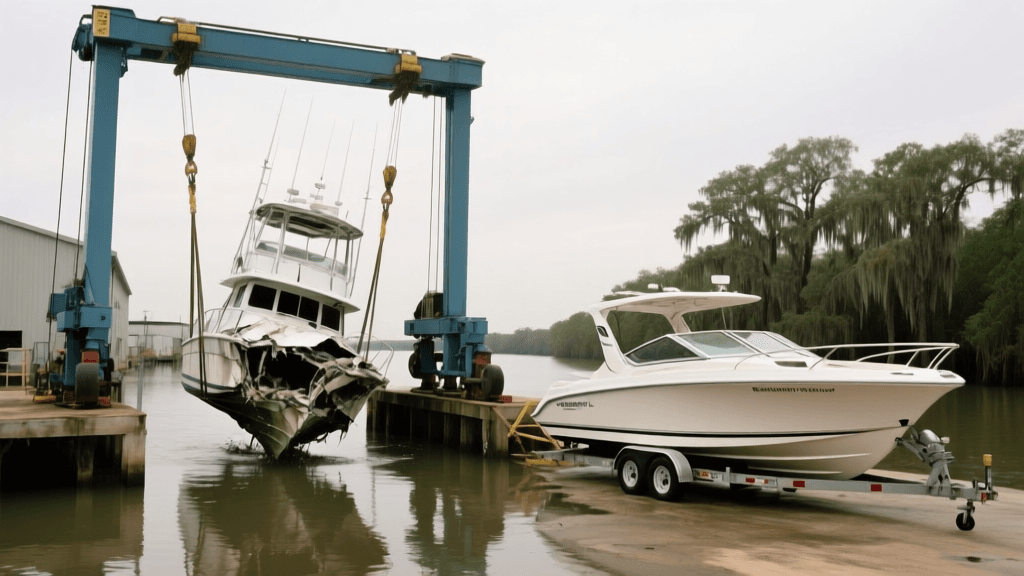
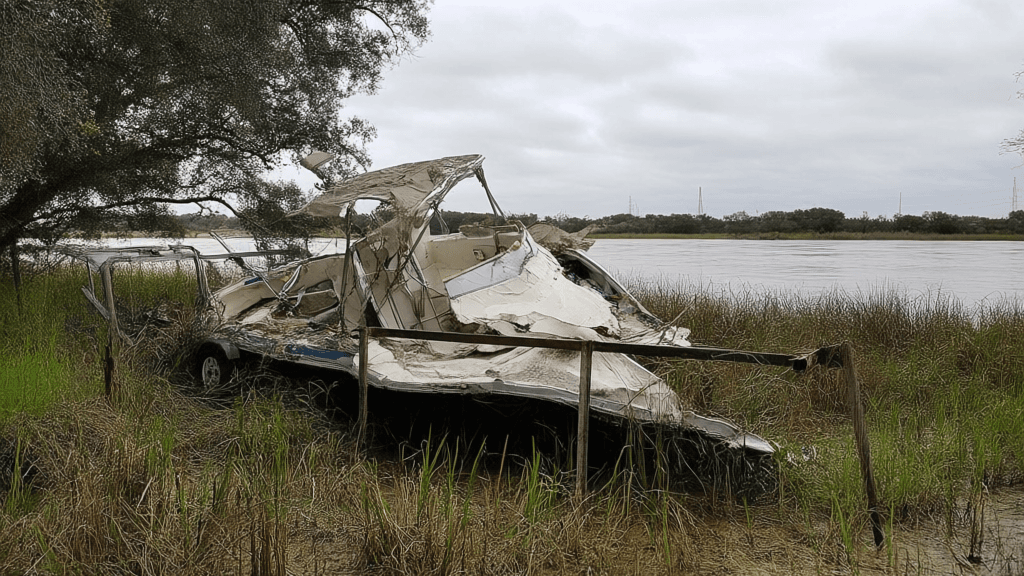
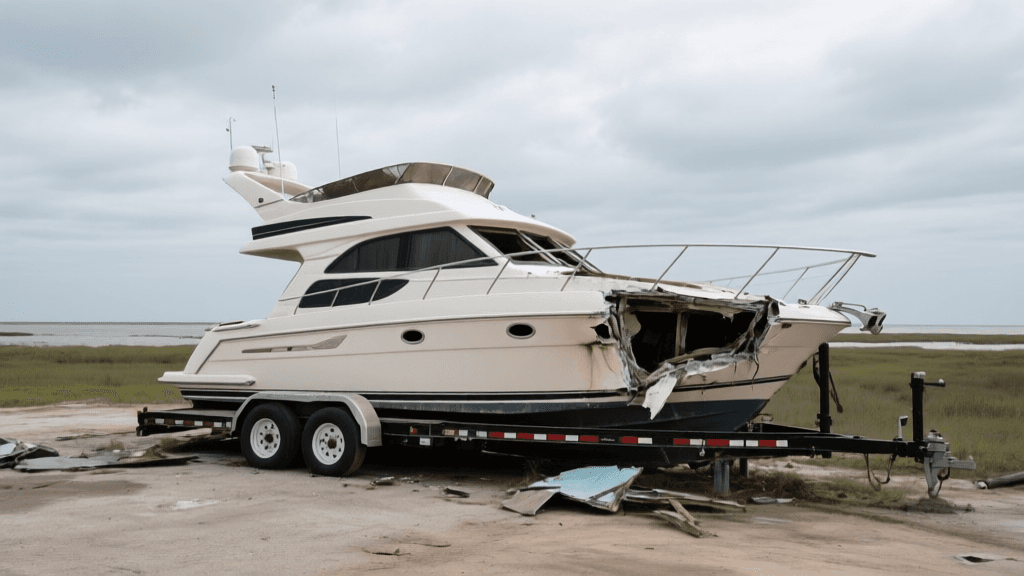
Boat total loss replacement coverage is a policy benefit that may pay toward replacing an insured boat after a covered loss, subject to the policy’s terms. It is not automatically included in every boat policy, and “total loss” can have a specific contractual meaning rather than simply describing a boat that looks badly damaged. For Beaumont owners, understanding eligibility before a storm, collision, fire, or theft claim can prevent unwelcome surprises. The key question is not only whether the boat is insured, but whether its age, purchase date, condition, ownership, and records meet the insurer’s requirements. Those requirements differ, so the policy wording and written insurer guidance matter.
Why Eligibility Is Worth Checking Before Boating Season
Boat owners around Beaumont may use local waterways and travel toward the Neches River, Sabine Lake, or the Gulf Coast, where changing weather and water conditions can make preparation especially important. A policy feature that applies to a newer boat at purchase may not be available after the eligibility window closes, or it may require the owner to insure the boat continuously. Seasonal storage, repairs, or a change in use can also prompt a useful policy review. Before spring outings or hurricane season, check the declarations page and endorsements, then ask the insurer to explain when replacement terms apply, what losses qualify, and whether the benefit changes as the boat ages.
Boat Age and Purchase Timing Can Affect Eligibility
Insurers commonly set an age limit for a boat to qualify for a replacement benefit, but there is no single cutoff that applies to every policy. Some programs focus on new boats, while others may consider recently purchased boats that meet specified age or condition standards. Purchase timing can matter: coverage might need to be selected when the policy begins, within a limited period after buying the boat, or before a stated anniversary. For example, a Beaumont buyer who insures a recently purchased boat months after taking ownership should not assume the same options remain available. Ask what date the insurer uses, such as the model year, original sale date, or date of purchase, and request the answer in writing.
Condition, Use, and Maintenance Matter
A boat’s condition when coverage is requested can be relevant, particularly if it has existing damage, deferred maintenance, or major unrepaired mechanical problems. Insurers may ask about a survey, inspection, photographs, or repair history before accepting certain boats or coverage options. Be accurate about the boat’s use as well. A vessel used for personal recreation may be evaluated differently from one used for paid fishing trips, rental, or other business activity. If a boat has been stored outdoors through a Southeast Texas summer or sustained storm damage, document its condition and repairs before changing coverage. Eligibility is determined by the insurer’s rules, and an existing condition may affect coverage or a later claim.
Ownership and Policy Details Need to Match
The person or entity shown as the owner should be consistent with the policy application and registration records. If a boat is jointly owned, held by a trust or business, financed, or recently transferred between family members, ask how each interest should be listed. A mismatch does not automatically decide a claim, but it can create questions about who is insured and who may receive payment. Beaumont boat owners should also review the named insured, lienholder details, navigation territory, and permitted operators. When ownership changes, contact the insurer promptly rather than relying on an old policy to reflect the new arrangement. Confirm any updated declarations or endorsements and keep them with the boat’s records.
Documents to Gather Before Requesting Coverage
Good records help an insurer evaluate the boat and confirm eligibility. Gather the bill of sale, title or registration, hull identification number, model and year, engine details, purchase date, and any financing information. Keep dated photographs that show the hull, interior, engine, safety equipment, and accessories, along with receipts for repairs, upgrades, and routine maintenance. If the insurer requests a marine survey or inspection, ask what qualifications and inspection date it requires. After a loss, preserve claim-related communications, repair estimates, and evidence of the damage. These materials do not guarantee a replacement benefit, but they can help establish the boat’s identity, value, condition, and ownership when questions arise.
Local Considerations for Beaumont Boat Owners
Beaumont is part of a region where boat owners may encounter heavy rain, tropical weather, high humidity, and changing water conditions. These local realities make it sensible to review storage plans, storm preparation duties, and any policy requirements for securing or moving a boat before a named storm. Owners in Vidor, Port Neches, Nederland, Groves, and Port Arthur may have different launch, storage, or navigation routines, but the same principle applies: confirm that the policy describes the boat’s actual use and where it travels. Do not assume a general coastal reference settles the question. Ask the insurer about navigation limits, hurricane-related conditions, and how replacement eligibility interacts with the policy’s total-loss definition.
Practical Eligibility Review Before You Need to Claim
Key Eligibility Checks
- Confirm the boat’s age limit and the exact date used to calculate its age.
- Ask when replacement coverage must be selected and whether continuous insurance is required.
- Disclose existing damage, use, ownership structure, and any commercial activity accurately.
- Verify that the named insured, registration, title, and lienholder information are current.
- Save purchase records, dated condition photographs, maintenance receipts, surveys, and policy endorsements.
- Ask how the policy defines a total loss and what replacement amount, limits, or exclusions may apply.

What to Do Next
Start by locating the current declarations page and every endorsement that refers to replacement cost, replacement coverage, or total loss. Write down the boat’s year, purchase date, condition, ownership details, and typical use, then compare those facts with the policy requirements. Ask the insurer specific questions: Is this boat eligible today? What event or age ends eligibility? Does the benefit replace the boat with a comparable model, or is payment limited by a stated amount? Which exclusions, deductible, and claim duties apply? A clear written explanation is more useful than relying on a general description of coverage. If the boat or ownership changes, revisit the policy so its information stays accurate.
Review Your Boat’s Replacement Coverage
Compare policy terms and ask an insurer to confirm your boat’s eligibility, limits, and documentation requirements.
Get a Free Quote