What Total Loss Replacement Can Mean for Beaumont Boat Owners
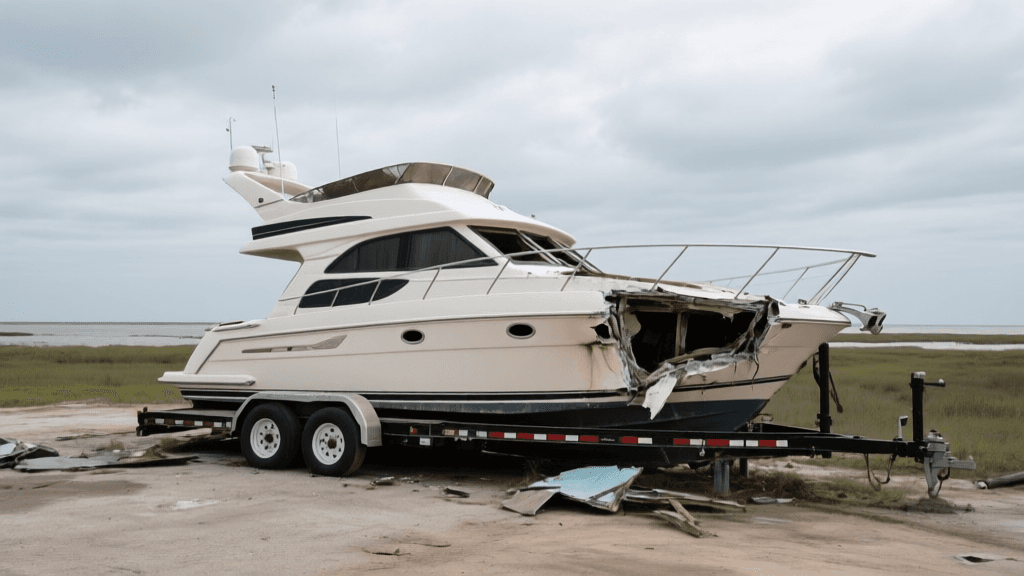
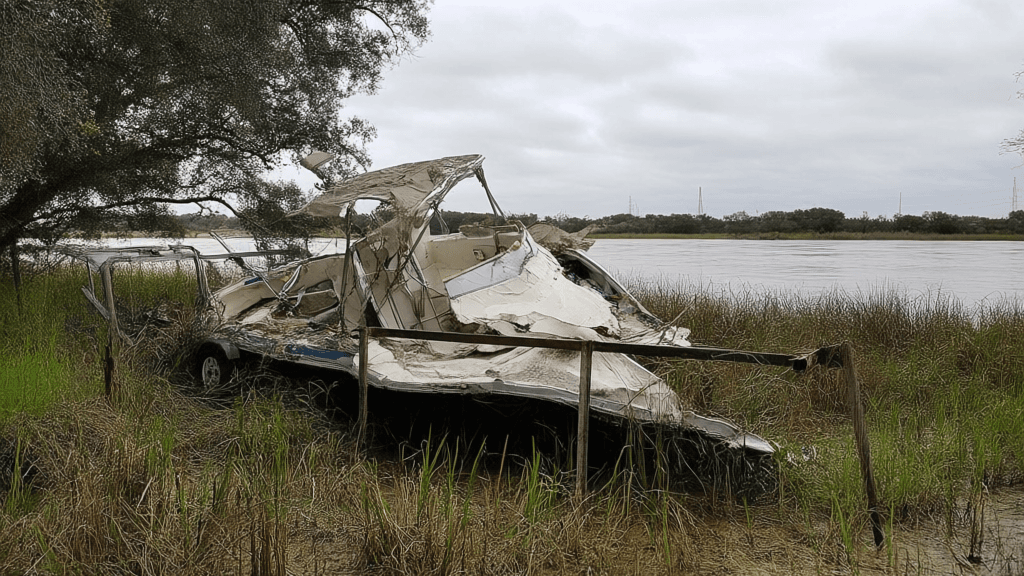
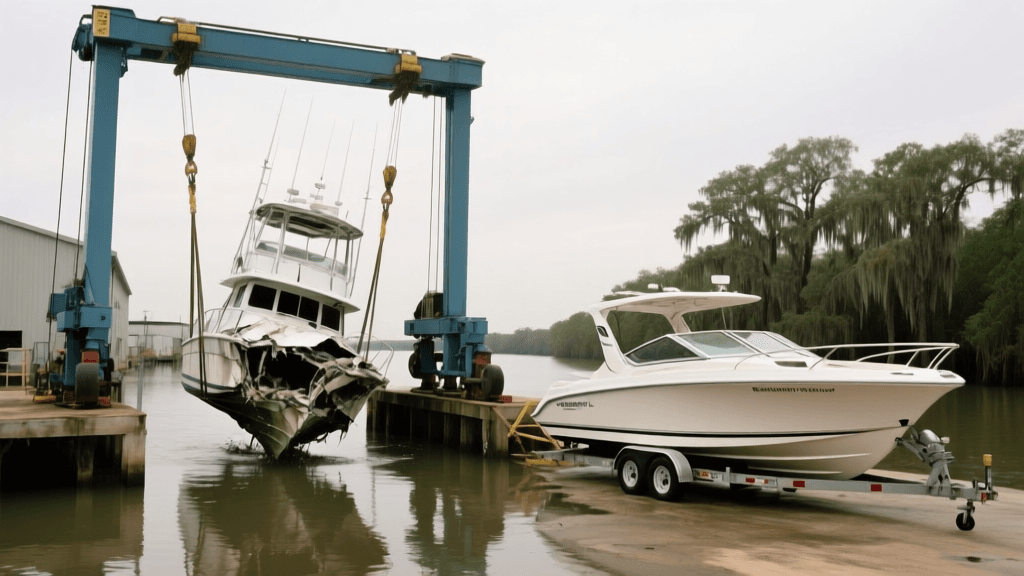
A serious fire, collision, sinking, or storm-related loss can leave a Beaumont boat owner wondering whether an insurance settlement will buy a comparable boat or simply reflect the old boat’s depreciated value. Total loss replacement is a policy feature that may help provide a replacement boat after a covered total loss, but it is not a promise to replace any vessel with any model. The endorsement’s conditions, maximum payment, and replacement deadline matter. Understanding those details before a claim can help clarify what protection is actually in place. This guide explains how the feature may differ from common settlement methods and what to check in a policy.
How Boat Settlement Methods Differ
Boat policies may use actual cash value, agreed value, or another stated settlement approach, and the exact wording controls. Actual cash value generally considers depreciation when determining a covered loss payment. An agreed-value policy sets a value with the insurer when coverage is arranged, although deductibles, exclusions, and policy conditions still apply. Total loss replacement is different because its benefit may be tied to acquiring a qualifying replacement vessel rather than receiving only a valuation-based payment. For example, an older boat with a replacement endorsement may still fall outside the eligible age range. Compare the declarations and endorsements, not just the coverage label, to understand the practical difference.
Eligibility and Boat Age Restrictions
Replacement coverage often has eligibility rules that can depend on the boat’s age, type, size, condition, or original value. Some insurers restrict the feature to newer vessels, while others may use different criteria for powerboats, personal watercraft, or sailboats. Requirements can also apply when the policy begins, not only on the date of a loss. A Beaumont owner buying a used boat should verify its model year and documented condition before assuming the endorsement is available. Ask whether a survey, purchase receipt, or proof of upgrades is needed, and confirm what happens if the boat ages beyond the stated threshold during the policy term.
What Counts as a Comparable Replacement?
A policy may require a replacement that is comparable in make, model, year, size, or general class, but the definition varies. It may also address whether the replacement must be new, whether a used boat qualifies, and how unavailable models are handled. Consider a boat used on nearby waterways that is declared a total loss: a substantially larger vessel with more powerful equipment may not meet the policy’s comparison standard, even if it serves a similar purpose. Clarify whether installed electronics, safety equipment, a trailer, and accessories are included in the replacement calculation or insured separately. Keep purchase records and equipment inventories current so the boat’s insured configuration is clear.
Replacement Deadlines, Limits, and Deductibles
Replacement benefits commonly come with a time limit for finding or purchasing another boat. The policy may require the owner to notify the insurer, submit documentation, or complete the purchase within a specified period after settlement. It may also cap the amount payable at a listed limit, the boat’s insured value, or another contractual figure. A deductible may still apply, and taxes, transport, registration, or upgrades may not be included unless the policy says so. Ask whether the insurer pays the replacement cost directly or reimburses qualifying expenses after purchase. These details are especially important if comparable boats are scarce or prices change during the search.
Local Considerations Around Beaumont and Southeast Texas
Boat owners in Beaumont may use their vessels across a broad Southeast Texas area, including waterways and launch points toward Port Arthur, Orange, and the Gulf Coast. Weather exposure, heavy rain, wind, and storm-related flooding can make it especially useful to understand how a policy defines a covered loss and whether separate exclusions or deductibles apply. A replacement feature does not automatically expand the causes of loss covered by the policy. Owners in Vidor, Nederland, Port Neches, Groves, and nearby communities should also confirm where the boat is stored, how it is transported, and whether coverage applies at the locations where it is routinely used. Accurate usage and storage details help avoid misunderstandings.
Practical Checks Before Choosing the Feature
Policy Details to Confirm
- Ask whether your boat’s year, type, condition, and value meet the insurer’s current eligibility requirements.
- Compare total loss replacement with actual cash value or agreed value, including how depreciation and deductibles affect a claim.
- Get the comparable-boat definition, replacement deadline, and maximum payable amount in writing.
- Confirm whether the trailer, electronics, fishing equipment, and other accessories are included or need separate limits.
- Review covered causes of loss, storm provisions, navigation limits, storage details, and any exclusions alongside the replacement endorsement.

Steps to Take Before a Total Loss
Start by reviewing the policy declarations and every endorsement related to valuation, replacement, equipment, and deductibles. Ask the insurer to explain any term that is unclear, especially the boat-age cutoff, what qualifies as a total loss, and the process for selecting a replacement. Keep photos of the vessel, hull identification information, receipts, maintenance records, and a current inventory of installed equipment in a secure location. If the boat is upgraded, report material changes and ask whether the insured value or equipment limits should be updated. For owners around Beaumont and neighboring communities, accurate storage and navigation information is also important because coverage may depend on how and where the boat is used.
Compare Coverage Before You Need It
Total loss replacement can be useful for some boat owners, but its value depends on eligibility and the policy’s exact settlement terms. Before choosing it, compare the premium with the potential benefit and weigh that benefit against an agreed-value or actual-cash-value arrangement. Request a clear explanation of the maximum payment, replacement process, qualifying vessel requirements, and whether the endorsement remains available as the boat ages. Beaumont residents can compare options using the same vessel details, equipment list, storage location, and typical boating use so the differences are meaningful. A written review now can make it easier to understand choices and documentation if a covered loss occurs later.
Review Your Boat Replacement Options
Compare settlement methods, eligibility rules, and limits to find boat coverage that fits your vessel and how you use it.
Get a Free Quote