Why Settlement Method Matters for Beaumont Boat Owners
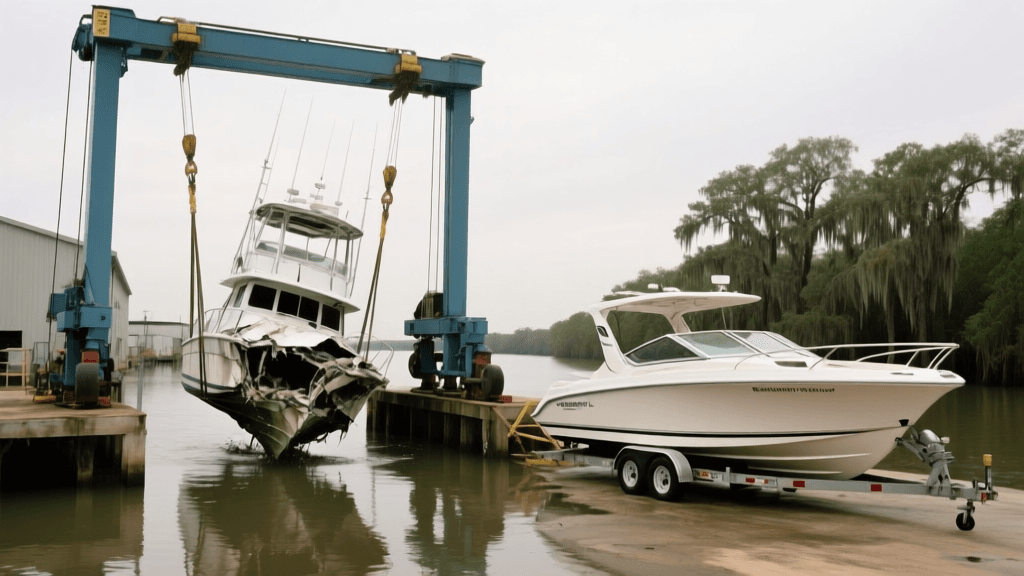
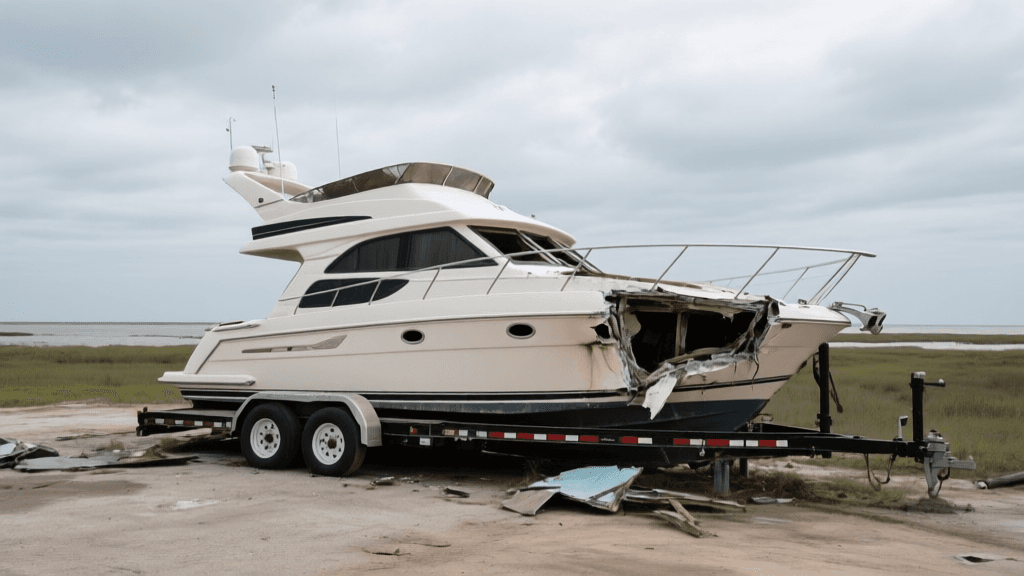
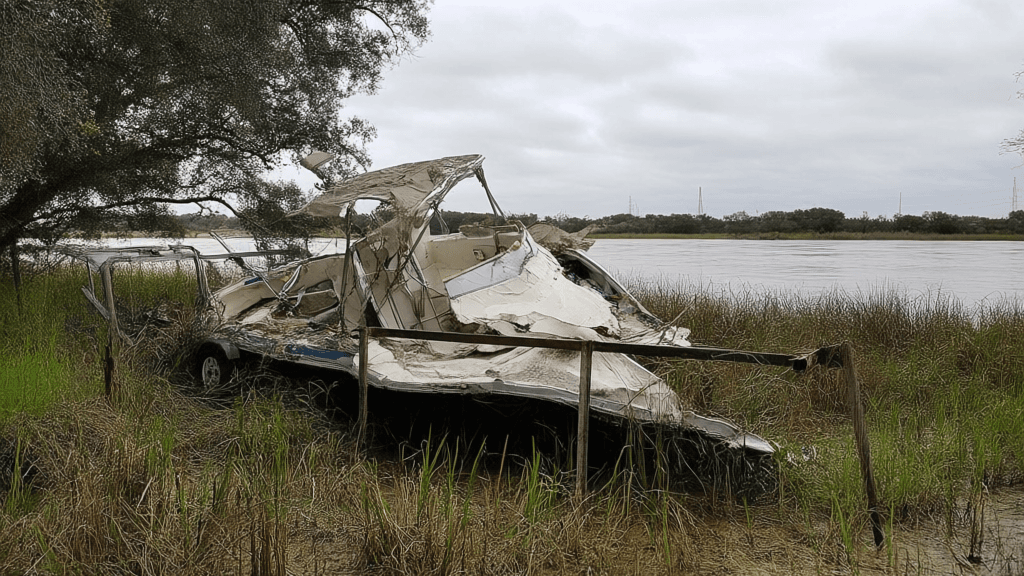
If a boat is stolen or damaged beyond repair, the settlement method can shape how much the policy pays and whether replacing the vessel is financially manageable. For Beaumont owners, that question may come up after a collision, fire, theft, or severe weather while a boat is stored, trailered, or used on nearby waterways. The same boat can produce different claim payments under agreed-value and actual-cash-value coverage, even when the insured limit looks similar. This guide compares those approaches, explains how replacement provisions may work, and highlights the deductible and policy details worth checking before choosing coverage.
What a Total Loss Settlement Actually Measures
A total loss generally means the insurer determines that repairing the boat is not practical under the policy’s terms, often because repair costs reach a defined threshold relative to its insured value. The insurer may also treat a vessel as a total loss if it cannot be recovered after a covered theft or sinking, subject to the policy and claim investigation. Settlement is not necessarily the price originally paid or the amount needed to buy a comparable boat today. The policy wording identifies the valuation method, covered property, limits, exclusions, and deductible. Accessories, a trailer, a motor, and personal property may have separate limits, so confirm how each item is insured.
Agreed Value: A Set Amount With Conditions
With agreed-value coverage, the owner and insurer generally establish a value for the insured boat when the policy is written. If a covered total loss occurs, that agreed amount can provide more predictable valuation than a settlement that subtracts depreciation, though the amount paid remains subject to policy terms, applicable deductible, limits, and any special conditions. Imagine a Beaumont owner insures a well-maintained boat for an agreed $32,000. If it is later declared a covered total loss, the claim is evaluated using the policy’s agreed-value provision rather than simply pricing the boat as an older used vessel. Owners should keep purchase records, photographs, equipment lists, and valuation information current, especially after major upgrades.
Actual Cash Value: Depreciation Can Reduce the Payment
Actual cash value commonly reflects a boat’s value immediately before the loss, with depreciation and condition factored into the calculation. That can make premiums or coverage structure attractive to some owners, but the settlement may be lower than the original purchase price or the cost of a comparable replacement. For example, a boat bought for $30,000 several years ago might have a current pre-loss value of $21,000, depending on its make, age, condition, equipment, and the valuation evidence considered. A deductible may then reduce the covered payment further. Ask how the policy defines actual cash value and what sources may be used to estimate market value, rather than assuming the stated limit guarantees a particular payout.
Replacement Provisions and Eligibility
A replacement provision may promise a specified replacement benefit for an eligible boat, but it is not automatically the same as unlimited payment for any new vessel. Eligibility can depend on the boat’s age, type, condition, original purchase documentation, and whether a comparable replacement is available. The policy may also cap payment at the insured limit or require the owner to replace the boat within a stated period. Consider a newer boat destroyed in a covered event: a qualifying provision could help bridge the difference between depreciated value and the cost of a comparable replacement, while an older vessel might not qualify. Review the exact wording with the insurer and confirm whether taxes, delivery, upgrades, or accessories are included.
Compare the Limit, Deductible, and Insured Equipment
A settlement method is only one part of the claim calculation. The boat’s insured limit should reflect its value, and separate sublimits may apply to electronics, fishing equipment, permanently attached accessories, trailers, or personal belongings. The deductible is the amount the policyholder generally pays toward a covered loss; for instance, a $1,000 deductible can reduce an otherwise payable settlement by that amount, subject to policy wording. If a boat is insured for less than its realistic value, the limit may leave a gap even when the valuation method is favorable. Before binding coverage, compare the declarations page with a detailed inventory, include major motor or equipment upgrades, and ask whether storage or transportation circumstances affect coverage.
Local Considerations Around Beaumont
Boaters based in Beaumont may keep vessels at home, in storage, or near waterways used for fishing and recreation, and may travel through communities such as Vidor, Nederland, Port Neches, Groves, and Port Arthur. Exposure can vary depending on where a boat is kept, how it is transported, and whether it is used in freshwater, coastal, or other navigable areas. Southeast Texas weather can also make secure storage, storm preparation, and clear documentation especially worthwhile. Ask whether the policy covers the boat while trailered, stored, launched, or temporarily away from its usual location, and whether navigation limits apply. Local use does not change the settlement formula, but it can affect the risks and coverage details to discuss.
A Practical Policy Review Checklist
- Identify whether a total loss is settled using agreed value, actual cash value, or an eligible replacement provision, and ask how the policy defines that method.
- Check the boat’s insured limit against its current condition, documented market value, motor, and major upgrades.
- Confirm the deductible and whether separate limits apply to the trailer, electronics, fishing gear, or personal property.
- Review replacement eligibility, deadlines, comparable-boat requirements, and any cap on the benefit.
- Keep dated photographs, purchase records, serial numbers, receipts, and a current equipment inventory with your policy documents.

Choosing Coverage and Preparing for a Claim
The right settlement option depends on the boat’s age and value, your budget, and how much uncertainty you can tolerate after a total loss. Compare quotes using the same insured amount, deductible, equipment limits, and navigation details so the premium difference reflects comparable protection. Before deciding, ask for examples showing how each method might pay after a covered loss and whether any replacement benefit has age or timing requirements. Save the policy, photographs, maintenance records, and receipts somewhere accessible if the boat is damaged or stolen. Beaumont owners can review these details with a licensed insurance professional and request clarification in writing when a term is unclear. A careful comparison now can help prevent surprises when a claim is filed.
Compare Boat Settlement Options
Review limits, deductibles, valuation methods, and eligibility terms to find boat coverage that fits your vessel and boating plans.
Get a Free Quote