
What Boat Pollution Liability Means in Beaumont, TX
Boat pollution liability is insurance coverage that may help pay certain cleanup costs, third-party claims, and legal expenses after a covered release of fuel, oil, or another pollutant from a vessel. It is not automatically included in every boat policy, and coverage depends on the policy wording, limits, exclusions, and how the spill occurred. For boat owners in Beaumont, this protection can matter when a vessel is fueled, stored, trailered, or operated on area waterways. A small leak can spread quickly, and response costs may involve containment, removal, disposal, and environmental professionals. Review the actual policy rather than relying on the coverage name alone.
Why Pollution Liability Matters Around Beaumont
Beaumont boaters use waterways connected to the Neches River and the wider Sabine-Neches system, where commercial traffic, marinas, private docks, and recreational vessels share working water. A damaged fuel line, collision, grounding, or mishap during refueling could allow gasoline or oil to reach the water. Heavy rain and storm conditions can also complicate access to a disabled boat and spill response. Local conditions do not guarantee that a claim will be covered, but they make prevention and suitable limits worth discussing. Owners should check both their boat policy and any marina or lender requirements, and follow applicable federal, Texas, and local reporting rules after a release.
What Boat Pollution Liability May Cover
Depending on the policy, pollution liability may apply to reasonable costs of containing and cleaning up a covered accidental spill, including recovery of fuel from the water or shoreline and proper disposal of contaminated materials. It may also address certain third-party claims for property damage or bodily injury attributed to the release, as well as legal defense costs when included by the contract. For example, a covered collision could rupture a fuel tank and require a cleanup contractor before a damaged vessel can be moved. Policies vary on pollutants, sudden versus gradual releases, preventive expenses, fines, contractual liability, and damage to the insured's own boat. Ask for written clarification of these terms and the applicable limits.
Potential Coverage Benefits
- Eligible emergency response and containment expenses may be covered after a qualifying accidental fuel or oil release.
- Some policies include defense for covered third-party pollution claims, subject to stated limits and conditions.
- A separate pollution liability limit can help owners understand the maximum available protection for covered events.
- Coverage review can identify gaps between a standard boat policy, marina contract requirements, and the owner's actual exposure.

Factors That Affect Pollution Liability Rates in Beaumont
The price of pollution liability is not set by location alone. Insurers may consider the vessel's type, age, value, engine and fuel capacity, operating area, storage arrangements, boating experience, prior losses, requested limits, and deductible. A boat kept near the Neches River or used in busier waterways may present a different underwriting picture from a small vessel used occasionally on sheltered water, although each insurer evaluates risk differently. The coverage may be sold as an endorsement or a separate policy, so compare the full premium and terms rather than a headline quote. Beaumont owners can request options at several limit levels and ask whether cleanup costs reduce the limit available for other covered claims.
How a Boat Pollution Liability Claim Works
If fuel or another pollutant enters the water, first protect people from immediate danger and contact emergency responders when needed. Take reasonable steps to stop the source only when it is safe, and promptly notify the appropriate authorities and your insurer as required by law and the policy. Record the time, location, conditions, vessel damage, and steps taken; photograph the scene if doing so is safe. Keep receipts and contractor reports, and do not promise payment or admit legal responsibility before speaking with the claims representative. The insurer will review the cause, policy period, exclusions, and invoices, and may coordinate an approved response. Reporting deadlines and agency procedures can vary, so follow official instructions and policy requirements.
Common Pollution Liability Mistakes and Misconceptions
A common misconception is that every boat insurance policy automatically pays for environmental cleanup. Some policies offer limited spill coverage, while others require an endorsement or separate protection; exclusions and sublimits can materially change the result. Another mistake is assuming that a spill must be large to create expense: containment, contractor mobilization, testing, and disposal may add up even when the visible sheen seems small. Owners can also overlook gradual leaks, fuel discharged during maintenance, or pollution arising while a boat is stored. Do not assume fines, voluntary cleanup, or damage to the insured vessel are covered. Read the policy and ask the insurer to explain uncertain language in writing before an incident occurs.
Choosing Appropriate Limits and Deductibles
The right pollution liability limit depends on the vessel, where it is operated and stored, the potential scale of a release, and the financial resources available to absorb uninsured costs. Consider whether the quoted limit applies per occurrence or in total for the policy term, whether cleanup expenses share a limit with legal defense, and whether a sublimit applies to pollution claims. A higher deductible can reduce premium but leaves more immediate cost with the owner. Beaumont boaters should also check lease, marina, lender, or event requirements, without treating those minimums as proof of adequate protection. Compare identical limits and exclusions across quotes, and ask how the policy treats emergency mitigation, gradual seepage, and contractor selection.
Getting Pollution Liability Coverage in Beaumont and Nearby Areas
To explore pollution liability, gather your boat's year, make, model, length, value, engine details, fuel capacity, storage location, and usual boating areas. Describe any prior claims accurately and request the policy form, endorsements, limits, deductible, and exclusions for review. Ask whether spill cleanup and third-party pollution claims are included, how gradual releases are treated, and whether the insurer must approve contractors. Boat owners in Beaumont can compare available options with those serving nearby Vidor, Orange, Port Neches, Groves, Nederland, Port Arthur, Bridge City, Silsbee, Lumberton, Kountze, China, West Orange, and Pinehurst. Coverage availability and eligibility vary by insurer; confirm current terms with a properly licensed insurance professional before purchasing.
Review Your Boat's Spill Protection
Gather your vessel details and compare pollution liability limits, exclusions, and claim requirements before your next outing.
Get a Free QuoteFrequently Asked Questions
Boat pollution liability may cover eligible cleanup costs and certain third-party claims after a covered accidental release of fuel, oil, or another pollutant. The policy defines covered pollutants, events, limits, deductibles, and exclusions, so confirm whether cleanup, legal defense, and emergency response costs are included.
The cost varies with vessel type, fuel capacity, operating area, coverage limit, deductible, loss history, and insurer underwriting. Request quotes using the same limits and policy terms, and compare sublimits and exclusions as well as premium.
Provide vessel, engine, storage, and boating-area details to a properly licensed insurance professional, then ask whether pollution coverage is included, endorsed, or separately insured. Review the policy form and written limits before choosing.
Requirements depend on the vessel's use, applicable law, contracts, and marina or lender rules; there is not one answer for every owner. A spill can still create cleanup and third-party costs, so Beaumont boaters should check policy terms and applicable reporting obligations.
Not necessarily. Some policies restrict or exclude gradual releases, while others define covered pollution events differently. Ask the insurer specifically how the policy treats seepage, maintenance-related releases, and leaks discovered after they begin.
Get Your Boat Insurance Quote
Compare coverage options for Beaumont and get help choosing the right policy.
Related Articles
Learn more about boat pollution liability in beaumont, tx with these expert guides
Boat Pollution Liability in Beaumont, TX
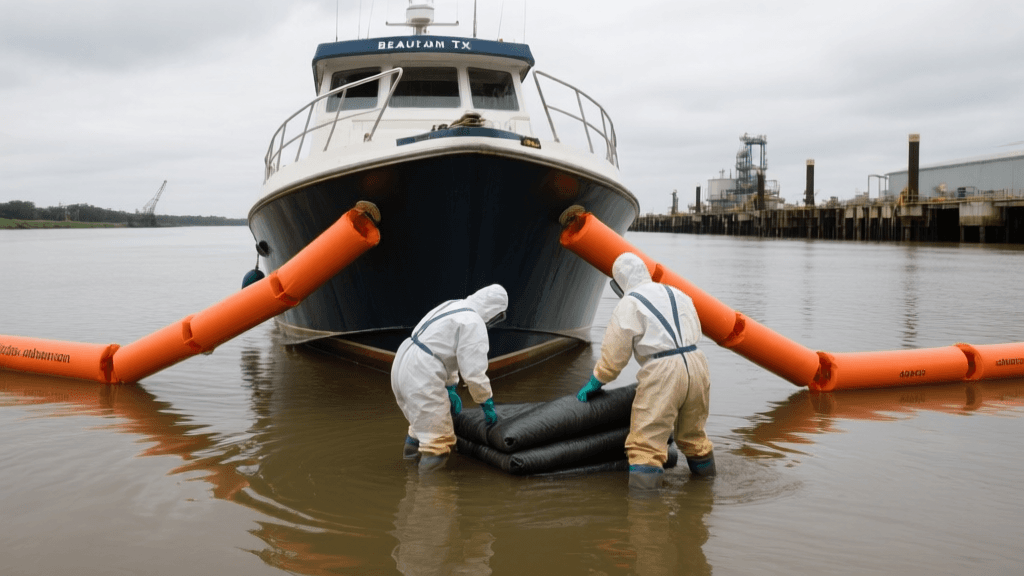
Responding to a Boat Fuel or Oil Spill in Beaumont, TX
A fuel or oil release from a boat calls for a calm, safety-first response. This guide explains how Beaumont boaters can ...
Boat Pollution Liability in Beaumont, TX
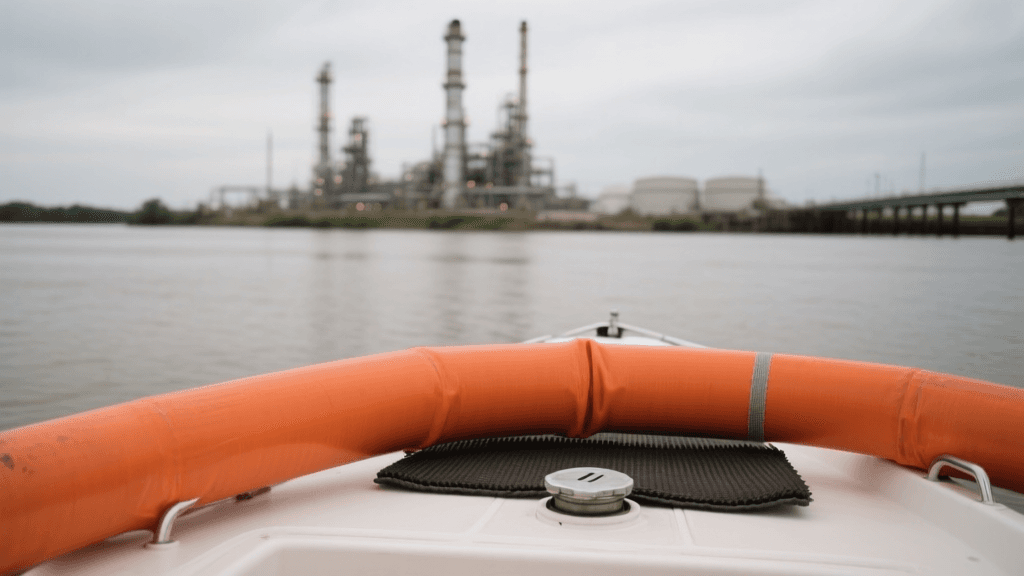
Boat Spill Prevention Tips for Beaumont, TX Owners
Spill prevention starts with routine maintenance, careful fueling, and good bilge and storage habits. This guide explain...
Boat Pollution Liability in Beaumont, TX
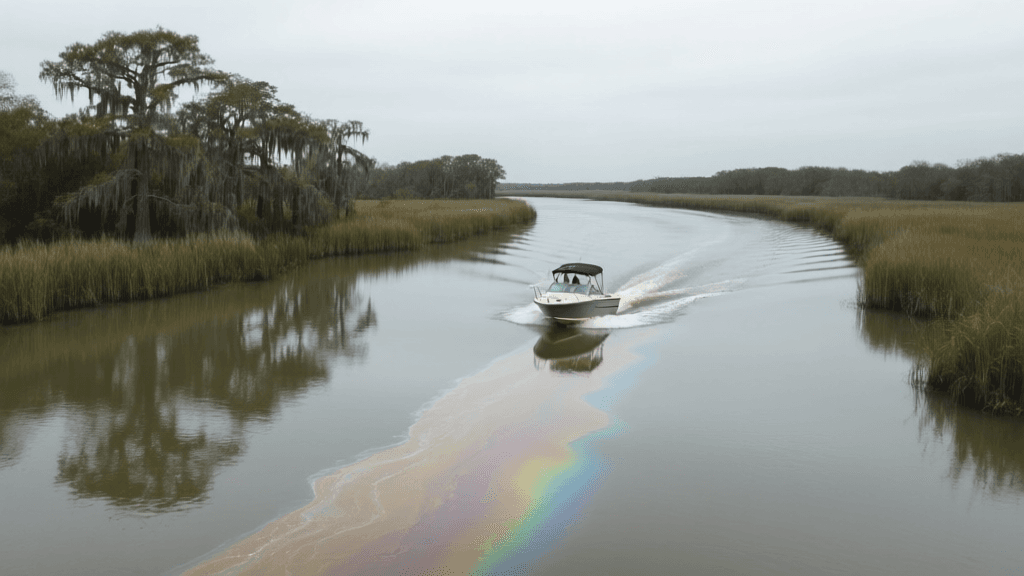
Boat Pollution Liability Explained for Beaumont, TX Boaters
An accidental fuel or oil discharge can create cleanup costs, reporting duties, and third-party claims for boat owners. ...