What Boat Pollution Liability Means for Beaumont Boaters
Boat pollution liability is coverage that may help address certain costs or claims when fuel, oil, or another pollutant is accidentally released from a boat. A small sheen beside a dock can become a serious problem if it spreads, reaches shoreline vegetation, or affects other boats. For Beaumont boaters, the risk is relevant on local waterways and during trips toward the Neches River, Sabine Lake, or nearby Gulf Coast waters. Policies differ substantially: some provide limited pollution coverage within liability protection, while others exclude pollution or offer a separate endorsement. Understanding the wording before an incident helps clarify who to contact and what expenses may be eligible.
Why a Small Discharge Can Become a Major Issue
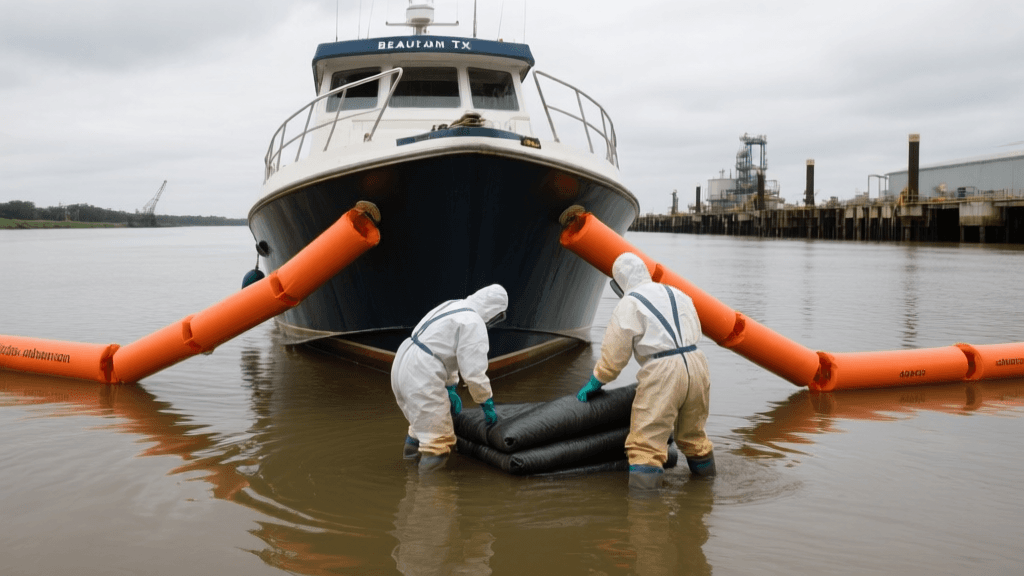
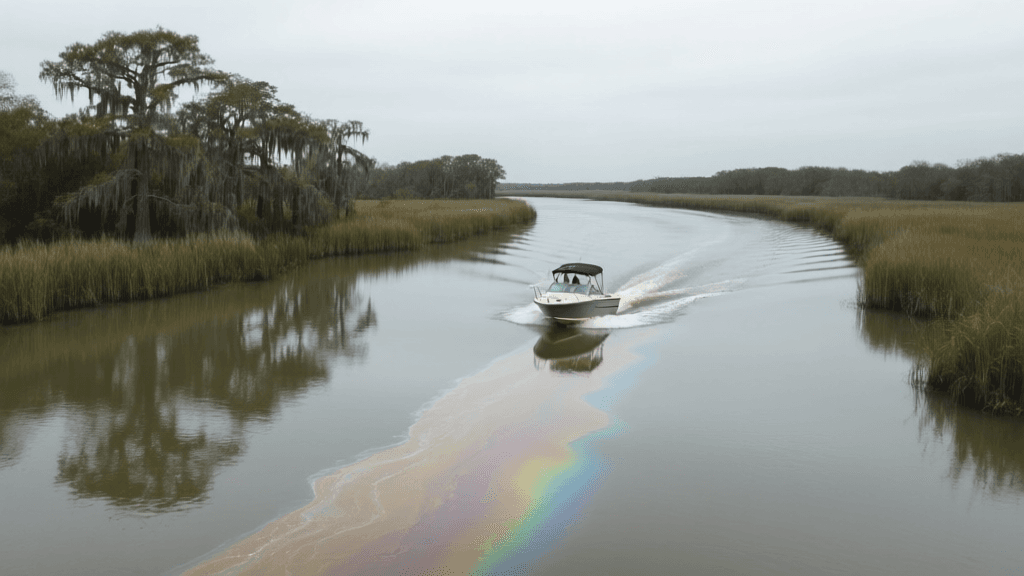
Fuel may spill while refueling, a fuel line can crack, or oil can escape after an engine or bilge problem. Wind, current, and boat traffic can move a slick beyond its original location, complicating containment and cleanup. Even when the amount seems modest, response costs can include absorbent materials, professional cleanup, disposal, and assessment of affected property. Cleanup costs are not the only concern: a marina, neighboring boat owner, or other affected party could make a claim for damage. Reporting and response duties depend on the circumstances and applicable rules, so boaters should avoid assuming that a spill is too small to matter or that insurance automatically pays every related expense.
Know What Your Policy Actually Covers
Look for clear language describing pollution liability, covered pollutants, accidental discharges, cleanup expenses, and third-party bodily injury or property damage. A policy may impose a separate limit, deductible, geographic restriction, or time-sensitive notice requirement. It may cover sudden and accidental releases but exclude gradual leakage, intentional discharge, fines, or costs that are the boat owner’s responsibility under law. Ask whether coverage applies while the boat is stored, trailered, refueled, or used away from its usual waters. If a policy uses terms such as “pollutant,” “cleanup,” or “sudden and accidental,” request a plain-language explanation and a copy of the relevant endorsement rather than relying on a broad summary.
What to Do After an Accidental Fuel or Oil Release
First, protect people and stop the source if it is safe to do so. Do not start an engine if doing so could spread fuel or create a fire hazard. Use appropriate onboard spill supplies to contain a small release, and never wash fuel into the water or use detergents that disperse it. Note the time, location, estimated amount, source, and conditions, and take photographs from a safe position. Contact the appropriate emergency or environmental authorities when required, then notify the insurer promptly using the policy’s claims instructions. Keep receipts and records of calls, cleanup actions, and professional services. Do not admit fault or promise payment on behalf of the insurer; provide accurate facts and follow official directions.
Prevention Starts Before Leaving the Dock
A few routine checks can reduce the chance of an avoidable discharge. Inspect fuel hoses, clamps, tanks, engine connections, and the bilge for leaks or unusual odors before each outing. During refueling, stay with the nozzle, avoid topping off, and use an absorbent pad near the fill opening when appropriate. Keep fuel containers secured and use only approved containers. Make sure the bilge pump is functioning, but remember that a pump can send contaminated water overboard rather than solve the source of a leak. Carry spill-response supplies suitable for the boat and learn how to use them. After maintenance, verify that fittings are secure and dispose of oily materials properly on shore.
Local Considerations Around Beaumont and Southeast Texas
Boats operating around Beaumont may encounter a mix of river, bay, marina, and coastal conditions, with currents and weather affecting how quickly a discharge can travel. Trips on the Neches River or toward Sabine Lake can involve changing water conditions and busy commercial or recreational traffic. Boaters from Vidor, Port Neches, Nederland, Port Arthur, Orange, and nearby communities may launch in different settings, but the basics remain the same: know where you are, keep emergency contacts accessible, and understand the reporting instructions that apply to the location. Texas and federal requirements can depend on the substance, amount, and circumstances of a release. For a specific incident, follow current official guidance rather than relying on a general rule of thumb.
Practical Coverage and Safety Takeaways
Before Your Next Outing
- Read the policy’s pollution, fuel-spill, cleanup-cost, exclusion, and notice provisions; ask about limits and deductibles that apply specifically to pollution claims.
- Keep spill supplies, a working fire extinguisher, and emergency contact information aboard, and make sure regular passengers know where they are.
- Inspect fuel and oil systems before departure and after maintenance; investigate odors, sheen, or unexpected bilge activity instead of treating them as normal.
- After a discharge, prioritize safety, prevent further release when possible, document facts, notify the proper authorities when required, and contact the insurer promptly.

Next Steps: Compare Protection Before You Need It
Review your current boat policy before the next trip, especially if the boat has an inboard engine, older fuel lines, or frequent marina use. Compare not only the stated liability limit but also the definitions, exclusions, deductibles, covered cleanup expenses, and claims-reporting process. If the policy is unclear, ask for the exact wording and a written explanation of how accidental fuel or oil releases are treated. When comparing quotes, provide accurate details about the boat, engine, storage, and where it is used, since these factors can affect eligibility and terms. A careful review cannot prevent every spill, but it can help Beaumont boaters understand their responsibilities and make a more informed choice about financial protection.
Review Your Boat’s Pollution Protection
Compare policy wording and limits before your next Beaumont-area boating trip so you know what protection may apply after an accidental discharge.
Get a Free Quote