Why Spill Prevention Matters for Beaumont Boaters
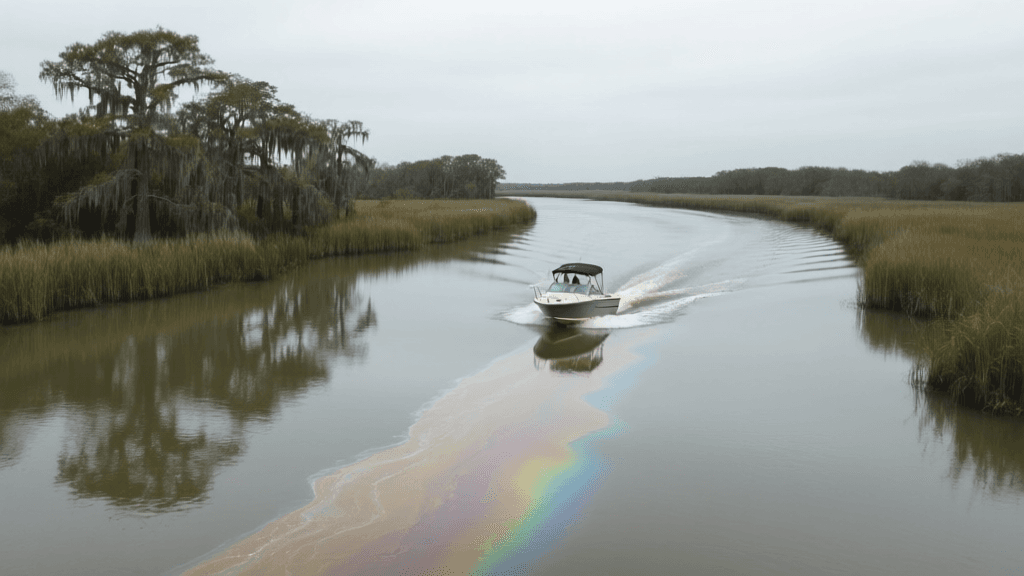
A small fuel or oil release can spread quickly across the water, create cleanup costs, and harm wildlife and shoreline habitats. For boat owners in Beaumont, spill prevention is especially relevant when preparing for a day on the Neches River, traveling toward nearby bays, or leaving a local launch after a period of storage. Warm weather, heavy use, and long stretches between outings can all expose worn hoses, loose fittings, or neglected bilge systems. A few deliberate checks before departure can help catch problems early. This guide covers maintenance, fueling, storage, bilge practices, and the supplies worth keeping aboard.
Understand Local Conditions and Your Responsibilities
Southeast Texas boating brings changing weather, humidity, and frequent rain, all of which can affect equipment and stored vessels. Water can collect in a boat while it sits, and runoff may carry fuel residue or oily contaminants from a neglected bilge into surrounding waterways. Federal rules generally prohibit discharging oil or hazardous substances in harmful quantities into navigable waters, and Texas environmental requirements may also apply. The exact duties depend on the substance and circumstances, so consult the appropriate authorities for a specific incident. For Beaumont owners, a clean boat and a plan for handling leaks are sensible habits whether boating locally or visiting Orange, Port Arthur, or another nearby community.
Make Routine Maintenance Part of Every Season
Inspect fuel lines, clamps, filters, connections, and tank fittings for cracks, corrosion, softness, or a persistent gasoline odor. Replace deteriorated parts with marine-rated components and follow the engine and vessel manufacturer’s service schedule. Check engine oil and transmission fluid carefully, using a clean funnel and absorbent material to prevent drips during service. Look for staining beneath the engine and around the fuel tank; a fresh wet spot can signal a leak that should be addressed before departure. Beaumont’s heat and humidity can make aging hoses and seals more vulnerable, so do not assume a boat is ready simply because it ran well last season.
Fuel Carefully at the Dock or Launch
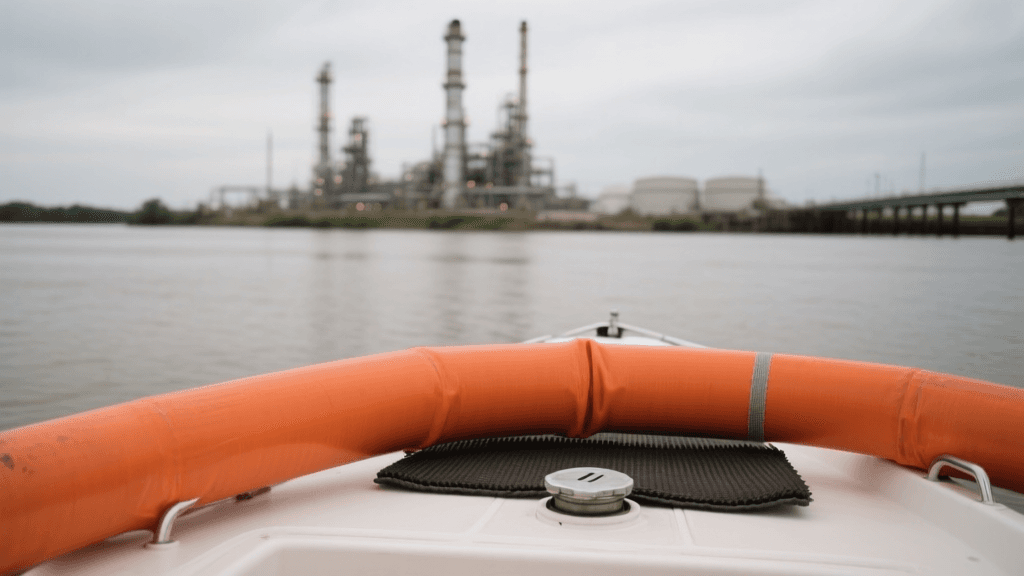
Before fueling, secure the boat, turn off the engine, extinguish smoking materials, and ask passengers to step away from the fueling area when practical. Keep the nozzle attended and avoid topping off after the tank is full; fuel can expand with temperature changes and escape through a vent. Place an absorbent pad near the fill opening to catch drips, and wipe up any residue immediately rather than rinsing it into the water. If fuel spills, stop fueling, contain the liquid with suitable absorbents, and follow applicable reporting and cleanup requirements. At busy facilities around Beaumont and neighboring cities, taking an extra minute is safer than rushing through a refueling stop.
Keep the Bilge Clean and the Pump Discharge in Mind
A bilge is the lowest interior area of a boat, where water and other fluids can collect. Check it before and after outings for an oily sheen, unusual odor, fuel, or unexplained fluid. Do not use a bilge pump to send oil or fuel overboard, and do not treat a normal-looking discharge as proof that the bilge is clean. Find and repair the source of contamination, then use appropriate absorbents or professional cleanup help. Keep bilge spaces reasonably clean so a small leak is easier to notice, and make sure pump switches and alarms work as intended. If a pump runs more often than usual, investigate rather than simply allowing it to cycle unattended.
Store the Boat to Limit Leaks and Runoff
Good storage habits help prevent a small leak from becoming a waterway problem. Before leaving a boat unattended, check that fuel caps are secure, engines are off, and containers of oil or fuel are upright and properly closed. Use a cover that sheds rain without blocking ventilation or trapping moisture against equipment. If the boat is stored on a trailer, inspect the ground beneath it for fresh stains and keep maintenance fluids away from storm drains. Owners storing boats in Beaumont, Vidor, Nederland, or Port Arthur should also consider how intense rain can move spilled residue off a driveway or storage area. Fix leaks promptly and dispose of used oil and absorbents through appropriate collection services.
Prepare for a Spill Before One Happens
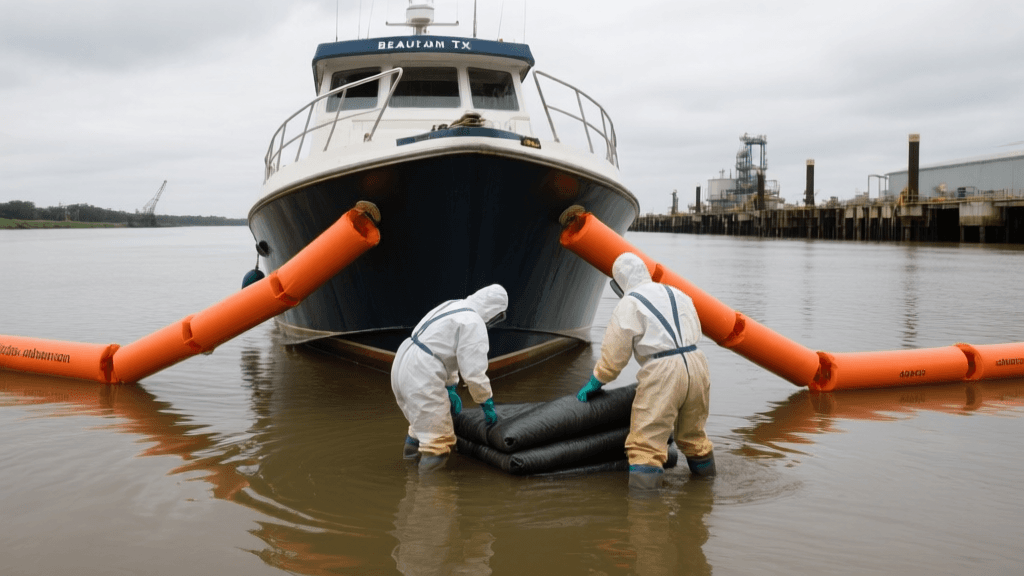
Keep a compact response kit aboard with marine-appropriate absorbent pads, absorbent socks, disposable gloves, sturdy bags for used materials, and a flashlight. Make sure everyone who operates the boat knows where the kit is and how to shut off fuel safely. If a spill occurs, protect people first, stop the source only when it is safe, and prevent the material from spreading without washing it away or using household cleaners. Do not attempt a risky recovery or put yourself in contact with fuel. For a significant release or one reaching the water, contact the appropriate emergency or environmental reporting authority promptly and follow its instructions. Record what happened and the steps taken.
Local Habits for Beaumont and Nearby Waterways
For Beaumont boaters, preparation should account for trips that begin on the Neches River and continue toward other Southeast Texas waters. A vessel may sit between outings, travel through changing conditions, or be trailered to a launch in Orange, Port Neches, Groves, Bridge City, or Port Arthur. Check the boat after transportation, because vibration can loosen fittings, and recheck it after heavy rain or extended storage. Keep fueling and maintenance waste out of storm drains and away from shorelines. Local marinas and launch facilities may have their own waste-handling procedures, so ask where used oil, filters, and contaminated absorbents should go rather than leaving them in ordinary bins.
Simple Spill-Prevention Priorities
A Practical Pre-Trip Checklist
- Inspect fuel hoses, clamps, tank fittings, and engine spaces for odors, stains, or wet spots before starting the boat.
- Fuel slowly, stay with the nozzle, avoid topping off, and use absorbent material to catch drips.
- Check the bilge for oil, fuel, and unexplained water; never pump contaminated liquid overboard.
- Secure fluids during storage and keep maintenance work away from storm drains and the water’s edge.
- Carry absorbents and gloves, brief other operators, and know whom to contact if a spill reaches the water.

Review Your Boat Insurance Alongside Your Safety Plan
Prevention is the first line of defense, but boat owners should also understand what their insurance policy does and does not cover. Policies differ, and coverage for pollution cleanup, fuel spills, wreck removal, property damage, and third-party claims may be limited, excluded, or subject to specific conditions. Read the policy language rather than assuming every spill-related expense is covered. Ask an insurance professional to explain relevant limits, deductibles, exclusions, and any requirements for maintaining the vessel. When comparing options in Beaumont, consider the boat’s age, engine and fuel setup, storage arrangements, and where it is typically used. Keep policy documents and emergency contacts accessible, but prioritize safe containment and official reporting instructions during an incident.
Take a Few Minutes Before Your Next Launch
Inspect the fuel system and bilge, restock spill supplies, and review your policy so you are ready to prevent problems and respond responsibly.
Get a Free Quote