
What Is Boat Wreckage Removal Coverage?
Wreckage removal coverage is a boat insurance provision that may help pay to raise, remove, transport, or dispose of a vessel after it sinks or is damaged in a covered incident. It addresses the cost of dealing with the wreck, not necessarily repairing the boat itself. Coverage wording varies: some policies require removal to be mandated by a government authority, while others describe covered expenses more broadly. For Beaumont boat owners, understanding the terms before heading out matters because a disabled or sunken vessel can create a navigation or safety concern. Review the definition of wreckage, covered causes, reporting duties, and any separate limit with a licensed insurance professional.
Why Wreckage Removal Matters in Beaumont, TX
Boaters around Beaumont use a mix of rivers, bayous, reservoirs, and coastal waterways, where weather, changing water conditions, submerged hazards, and heavy recreational or commercial traffic can complicate an accident response. Southeast Texas storms may bring strong winds, lightning, heavy rain, and periods of poor visibility; flood conditions can also change access and water levels. A vessel that takes on water or becomes disabled may need prompt attention if it threatens people, navigation, or property. Conditions differ between inland routes and coastal trips toward Port Arthur, so consider where and how the boat will be used. Coverage cannot prevent an accident, but a clear removal limit can reduce uncertainty about a potentially expensive part of recovery.
What Wreckage Removal Coverage May Include
Depending on the policy and circumstances, covered removal expenses may include a salvage crew, lifting equipment, towing a wreck to a safe location, transporting it for disposal, and certain emergency measures needed to prevent further harm. The insurer may require prompt notice, documentation, and approval of the selected contractor, except where immediate action is necessary for safety or to comply with an order. Coverage may not include every expense connected to a marine accident. Pollution cleanup, fuel removal, environmental remediation, damage to another vessel, and repairs to your own boat can be handled by different policy provisions or excluded. Ask for examples of how the policy responds to a sunken boat, a grounded vessel, and an official removal order.
Coverage Details to Check
- Removal expense limit: Confirm the maximum amount available and whether it is a separate limit or shared with another coverage.
- Trigger for coverage: Ask whether removal must be ordered by an authority or whether other covered situations qualify.
- Salvage and disposal: Check whether labor, lifting, transportation, and disposal are treated as covered expenses.
- Approval and notice: Learn who to contact before authorizing a contractor and what emergency exceptions apply.
- Related protection: Review physical damage, liability, and pollution-related terms separately rather than assuming removal covers them.

Factors That Can Affect Boat Insurance Rates in Beaumont
Wreckage removal is only one part of a boat insurance quote, and its cost may be bundled into the premium or affected by selected limits and options. Insurers commonly consider the boat's type, age, length, value, engine, intended use, storage location, operating area, operator experience, claims history, and chosen deductibles. A larger or more valuable vessel may require more expensive salvage work, while use in different waterways can influence underwriting. Ask whether the quote reflects your actual boating territory around Beaumont, Port Neches, or Port Arthur, and disclose planned coastal use accurately. Compare the same coverage limits and exclusions across quotes; a lower premium may come with a smaller removal limit or narrower trigger.
How a Wreckage Removal Claim Works
After an incident, first protect people and contact emergency services or the relevant authorities when needed. Once it is safe, notify the insurer promptly and explain the vessel's location, condition, and any instructions received from an authority. Ask whether the insurer needs to inspect the boat or approve a salvage contractor before work begins. Take photographs only when safe, save official notices, and keep estimates, work orders, receipts, and a record of calls. If immediate removal is necessary to protect life or prevent further damage, document why action could not wait and contact the insurer as soon as possible. Claim timelines depend on the facts, vendor availability, investigation, and policy terms; request written updates and keep copies of all claim communications.
Common Wreckage Removal Coverage Misconceptions
A common misunderstanding is that every boat policy automatically pays any cost described as salvage. The policy may set a specific limit, require an official removal order, or require insurer approval of expenses. Another mistake is assuming removal coverage pays to repair the boat; physical damage coverage generally addresses repairs or replacement under its own terms. Owners may also believe liability coverage automatically handles pollution cleanup or removal of their own wreck, when those issues can be treated differently. Do not wait until an accident to discover a restriction. Read the declarations and full policy wording, ask for a plain-language explanation of exclusions and deductibles, and confirm how the contract handles emergency work, wreck disposal, and costs above the stated limit.
Choosing the Right Wreckage Removal Limit
Choose a limit with the possible scale of recovery work in mind, not only the boat's market value. Vessel size, location, access for salvage equipment, depth, distance to a suitable disposal site, and urgency can all affect removal expenses. Ask an insurance professional what limit options are available and whether the removal provision is separate from hull or liability limits. Check whether a deductible applies, whether the policy pays reasonable expenses or only approved charges, and what happens if costs exceed the limit. If you boat in varied conditions around Beaumont and Southeast Texas, describe your actual routes and usage when comparing coverage. Keep the policy declarations and claims contact information accessible, and revisit limits when you buy a larger boat or change how it is used.
How to Get Wreckage Removal Coverage in Beaumont
Start by gathering your boat's year, make, model, length, value, engine details, storage information, and intended waterways. Request quotes that clearly state wreckage removal limits, triggering conditions, exclusions, deductibles, and any approval requirements; compare like-for-like options rather than premium alone. Ask how the policy treats salvage, disposal, emergency work, and removal ordered by an authority. Beaumont boaters can also ask about service for boats kept or used in nearby Vidor, Orange, Port Neches, Groves, Nederland, Port Arthur, Bridge City, Silsbee, Lumberton, Kountze, China, West Orange, and Pinehurst. Verify that the insurer and producer are properly licensed in Texas, and read the policy documents before binding coverage. The right next step is a careful review based on your vessel and where you actually boat.
Review Your Boat Coverage Before the Next Trip
Compare written policy terms and removal limits for your vessel, boating area, and budget before you launch.
Get a Free QuoteFrequently Asked Questions
Depending on the policy, wreckage removal coverage may pay reasonable expenses to raise, remove, or dispose of a boat after it sinks or is badly damaged. Coverage may apply when removal is required by law or a government authority, but definitions, limits, and conditions differ. Check whether the policy covers emergency mitigation, salvage labor, transport, and disposal, and whether those costs share a limit with other coverages.
There is no single price for wreckage removal coverage in Beaumont because it may be included in a boat policy or offered with specific limits and terms. The overall premium can depend on vessel value and size, boating use, experience, storage, selected liability limits, deductible, and claims history. Compare written quotes and ask how much removal coverage is available, whether it is subject to a separate limit, and what circumstances trigger payment.
Report the incident to your insurer or claims contact as soon as it is safe, and follow any instructions about salvage vendors and documentation. If the vessel presents a hazard or authorities require removal, contact the appropriate local or state authority as directed. Photograph the damage when safe, preserve notices and invoices, and keep records of communications. Do not authorize non-emergency work before confirming the policy's approval requirements.
Whether you need it depends on your boat, policy, and boating plans, but removal costs can be substantial if a vessel sinks, blocks navigation, or creates a safety or environmental concern. Review your policy before boating on waterways around Beaumont and Southeast Texas. Ask whether coverage is included, what limit applies, and whether the policy responds when a government authority orders removal.
Usually, wreckage removal coverage addresses raising, removing, or disposing of wreckage; it is not the same as physical damage coverage for repairing or replacing the boat. A covered accident may involve more than one part of a policy, each with separate terms, deductibles, and limits. Ask the insurer to explain how wreck removal, salvage, and hull or physical damage coverage interact.
Get Your Boat Insurance Quote
Compare coverage options for Beaumont and get help choosing the right policy.
Related Articles
Learn more about wreckage removal coverage in beaumont, tx with these expert guides
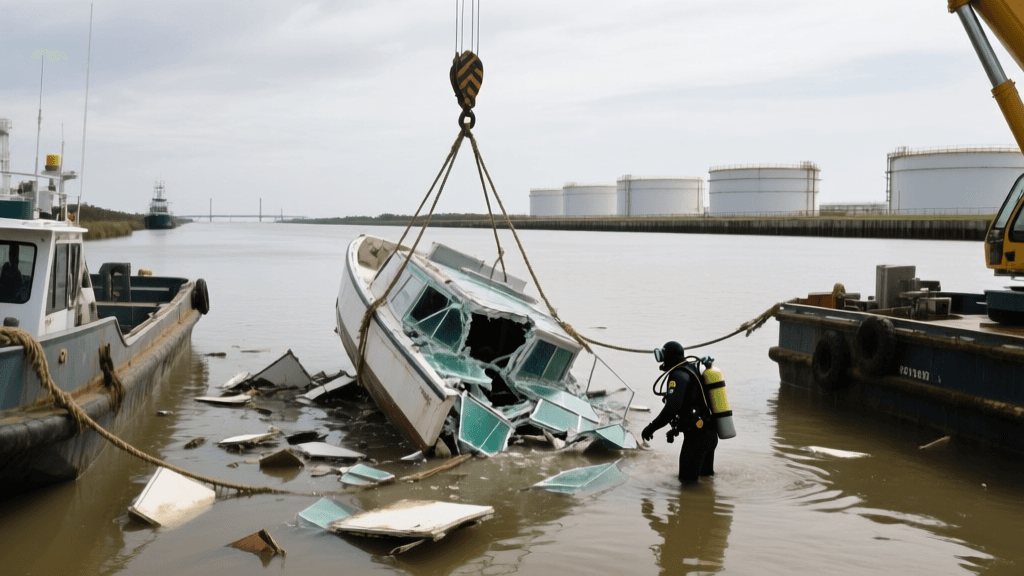
Wreckage Removal Coverage in Beaumont, TX
Policy Questions to Ask About Boat Wreckage Removal in Beaumont, TX
Boat wreckage removal can involve salvage, towing, lifting, and disposal expenses, and policies may handle these costs d...
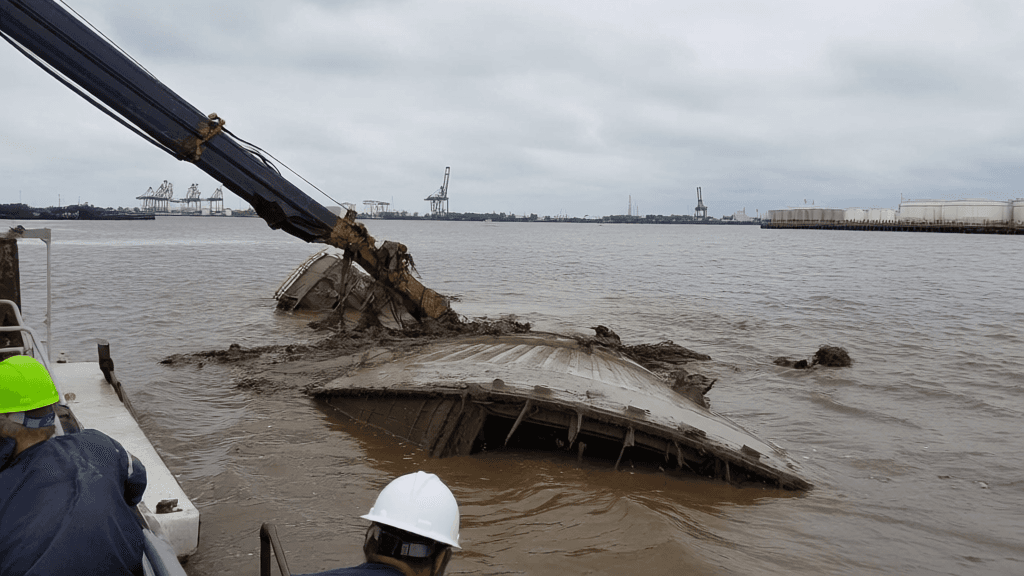
Wreckage Removal Coverage in Beaumont, TX
Wreckage Removal Considerations After a Boat Sinks in Beaumont, TX
A sunken boat can create immediate safety, environmental, and navigation concerns. This guide explains how Beaumont boat...
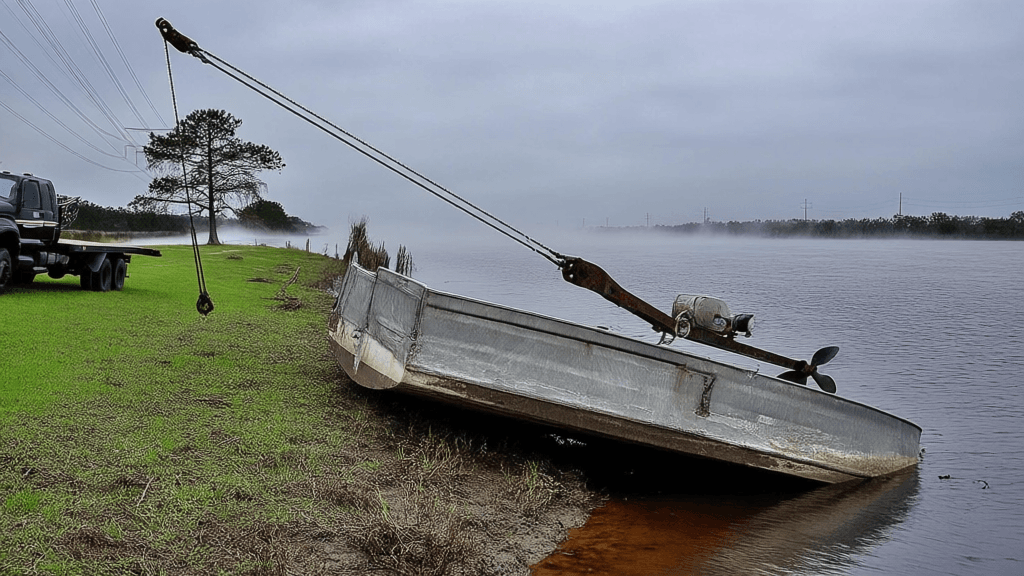
Wreckage Removal Coverage in Beaumont, TX
Wreckage Removal Coverage: A Beaumont, TX Boat Owner’s Guide
Wreckage removal after a boat accident can involve recovery, transport, environmental precautions, and disposal costs. T...