What Boat Wreckage Removal Coverage Means
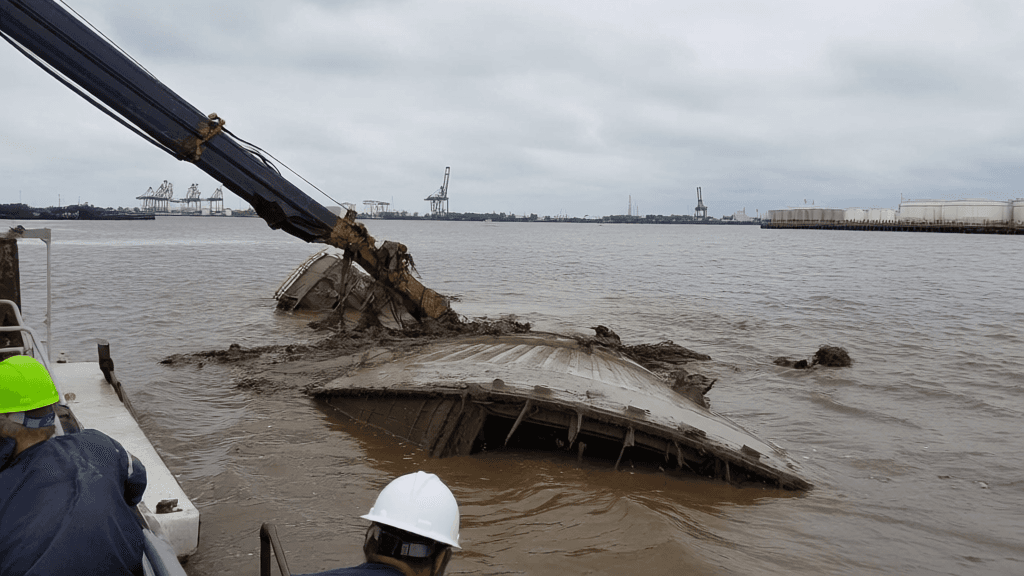
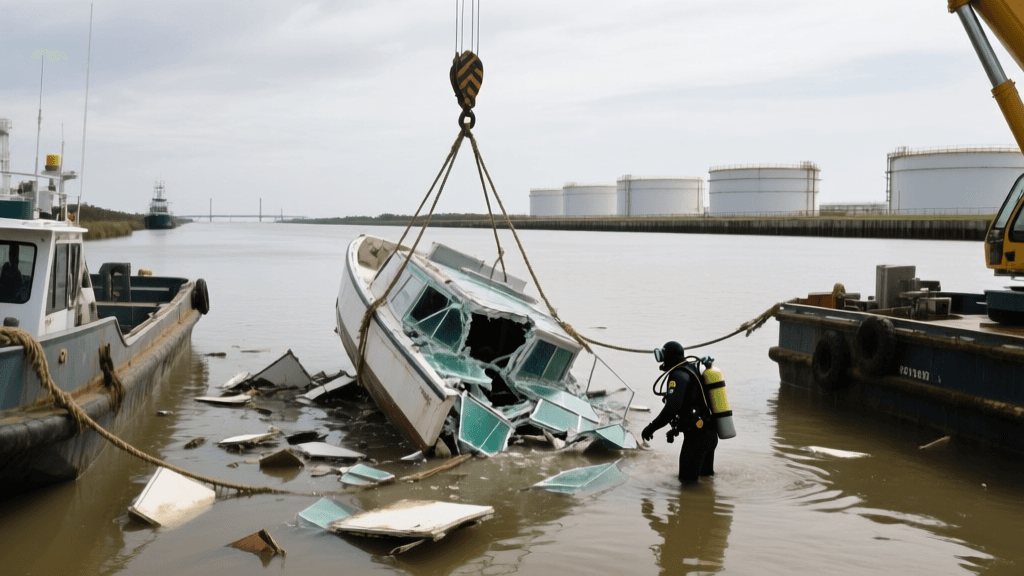
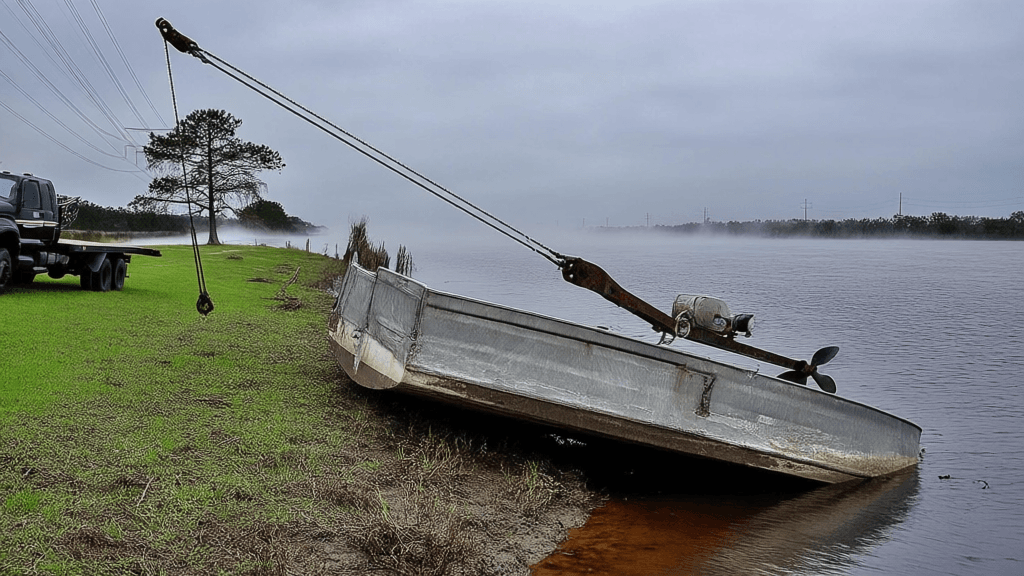
If a boat sinks, breaks apart, or becomes stranded after an accident, removing the wreckage can cost much more than simply towing a vessel to shore. Recovery may require a commercial salvage crew, specialized lifting equipment, transport, and lawful disposal. Wreckage removal coverage is a policy provision that may help pay eligible costs when a covered loss leaves a boat or its debris in the water. For Beaumont boat owners, the issue can arise on the Neches River, in nearby bays, or during a trip through Southeast Texas waterways. The key is not to assume that every recovery expense is automatically covered: policy wording, limits, exclusions, and legal obligations all matter.
Why Removal Can Become a Serious Local Issue
Southeast Texas boating combines busy waterways, changing weather, and exposure to storms that can damage vessels at docks or on the water. Heavy rain and high water can complicate access, while wind and wave action may push a disabled boat into a channel, shoreline, or navigation area. A wreck that appears contained may also involve fuel, oil, batteries, or other materials that require careful handling. Local conditions around Beaumont, Port Arthur, and Orange can affect how quickly a salvage contractor can reach a vessel and what equipment is needed. Since labor, equipment, and disposal charges vary by incident, a policy limit that looks adequate on paper may deserve closer review.
Know the Difference Between Salvage and Wreckage Removal
Salvage generally refers to efforts to save or recover a vessel or property, while wreckage removal focuses on clearing a sunk, stranded, or damaged boat and its debris. A policy may treat these expenses under separate provisions, apply different limits, or define them in a way that does not match everyday usage. For example, a boat that can be floated and towed may produce a salvage bill, while a vessel that has broken apart and obstructs a channel may need removal and disposal. Ask the insurer to explain which section applies to each situation and whether the stated limit is an additional amount or part of the boat’s physical-damage limit. Definitions and wording in the actual contract control.
Check the Policy Limit and How It Applies
A wreckage removal limit is the maximum the policy may pay for covered removal expenses, subject to its terms. Find out whether the limit is a fixed dollar amount, a percentage of the insured boat value, or a separate limit that sits outside other coverage. Also confirm whether the limit applies per accident, per policy term, or in combination with salvage and pollution-related expenses. Consider a realistic scenario: a vessel suffers major damage near a dock, and recovery requires divers, a crane barge, debris collection, and transport to a disposal facility. Several invoices can accumulate quickly. Comparing the limit with the boat’s size, storage location, equipment, and likely access challenges can help identify a potential shortfall before a claim occurs.
Understand Approval, Contractor, and Cleanup Conditions
Policies may require prompt notice, insurer approval before hiring a contractor, or reasonable steps to protect the boat and prevent additional damage. In an emergency, immediate action may be needed to protect people, clear a hazard, or prevent a spill, but owners should contact the insurer as soon as it is safe and keep records of the circumstances. Ask whether the policy requires use of an approved salvage provider and how emergency expenses are handled when prior authorization is not practical. Clarify whether fuel removal, hazardous-material handling, shoreline cleanup, and disposal fees are included or addressed elsewhere. Keep photographs, incident reports, contractor estimates, invoices, and messages. Clear documentation can help establish what work was necessary and how the charges relate to the loss.
Local Considerations for Beaumont Boat Owners
A boat kept near Beaumont may travel well beyond the city, so consider where it is stored, launched, and routinely used when reviewing coverage. The Neches River and nearby coastal routes can present different access and recovery conditions from a protected marina or private dock. Owners in Vidor, Port Neches, Nederland, Groves, and Port Arthur may also face different distances to contractors and disposal facilities depending on where an incident occurs. Storm preparation matters too: secure the boat appropriately, follow marina requirements, and know whom to contact if a vessel breaks loose or sinks. Local authorities may direct owners to address a navigational hazard or pollution concern, but the exact duty depends on the facts and applicable rules. Confirm procedures with relevant authorities and your insurer rather than relying on assumptions.
Questions to Ask Before You Need a Recovery
Policy Review Checklist
- What exactly counts as wreckage removal, and how is it different from salvage or towing?
- Is the removal limit separate from the boat’s physical-damage coverage, and what expenses reduce it?
- Are fuel, oil, debris, environmental cleanup, and disposal costs covered or subject to separate terms?
- Do I need approval before hiring a salvage contractor, and what should I do in an urgent safety situation?
- Are there exclusions, deductibles, location restrictions, or reporting deadlines that could affect a claim?
- What records should I keep, and how are contractor estimates and invoices reviewed?

Steps to Take After a Boat Is Damaged or Sunk
Put personal safety first and contact emergency services or the appropriate authorities if anyone is in danger, a channel is obstructed, or pollution is suspected. Once the situation is safe, notify the insurer promptly and describe the boat’s location, condition, and any immediate hazards. Before authorizing non-emergency work, ask how the policy handles contractor selection and approval. Photograph the scene when safe, save communications, and request itemized estimates that separate recovery, towing, debris removal, environmental work, storage, and disposal. Do not disturb suspected contaminants or attempt a risky recovery without qualified help. After the immediate response, compare the final invoices with the policy’s definitions, limits, deductible, and claim instructions. If coverage is unclear, request an explanation in writing.
Review Coverage Before the Next Outing
The most useful time to understand wreckage removal coverage is before an accident creates pressure to make fast decisions. Review the declarations and policy wording, then ask specific questions about limits, authorization, cleanup, and disposal. Make sure the insurer has accurate information about the boat, its value, how it is used, and where it is kept. Beaumont-area owners who travel between rivers, marinas, and coastal waters should consider whether the policy fits those habits and the practical cost of recovering their particular vessel. Coverage terms differ between policies, so compare written details rather than relying only on a summary or verbal description. A focused review can help reveal gaps and clarify the steps to follow if recovery becomes necessary.
Make Wreckage Removal Part of Your Policy Review
Compare boat policy limits and ask how recovery, cleanup, and disposal costs are handled before your next Southeast Texas outing.
Get a Free Quote