Why Ask About Wreckage Removal Before an Accident?
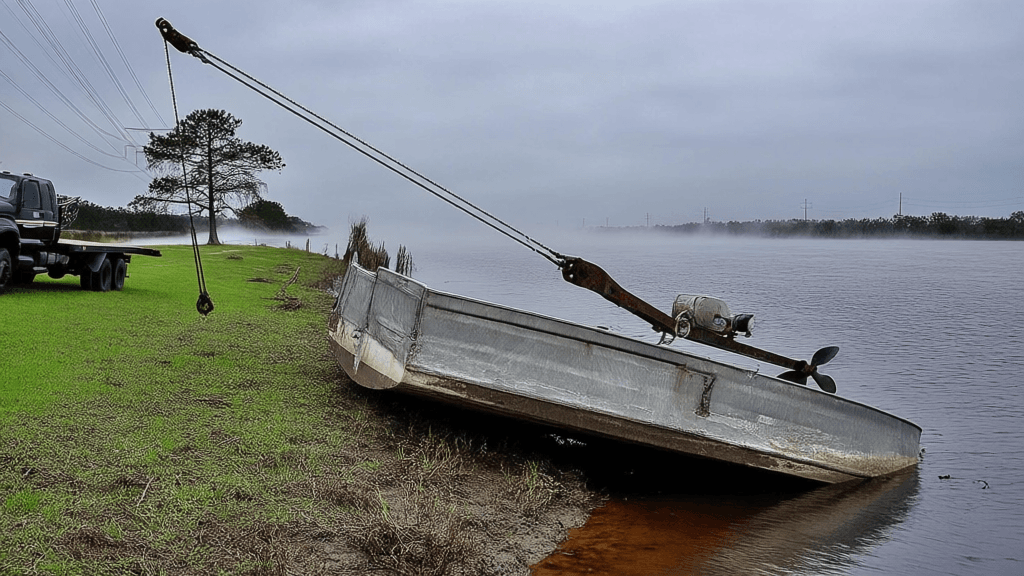
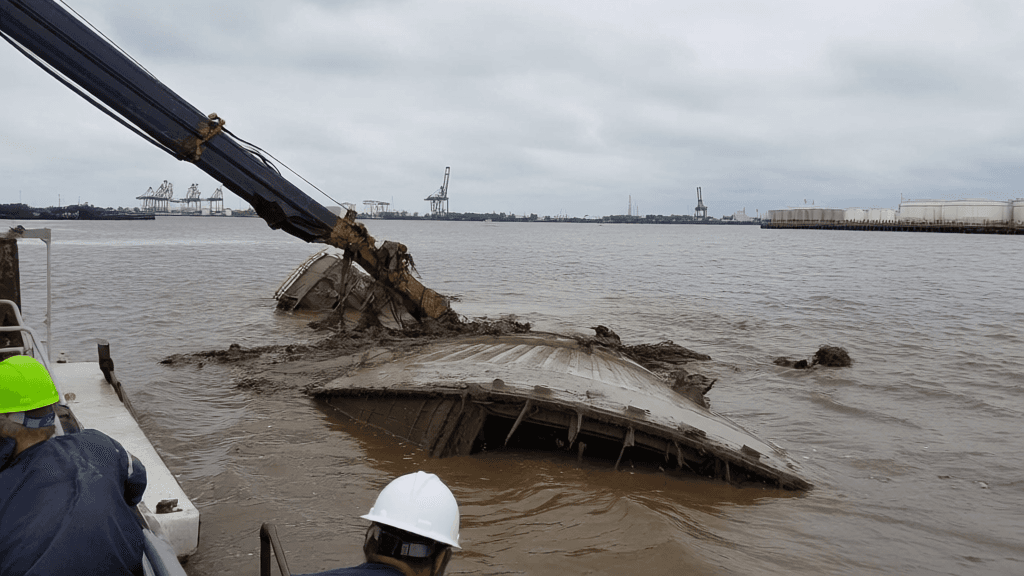
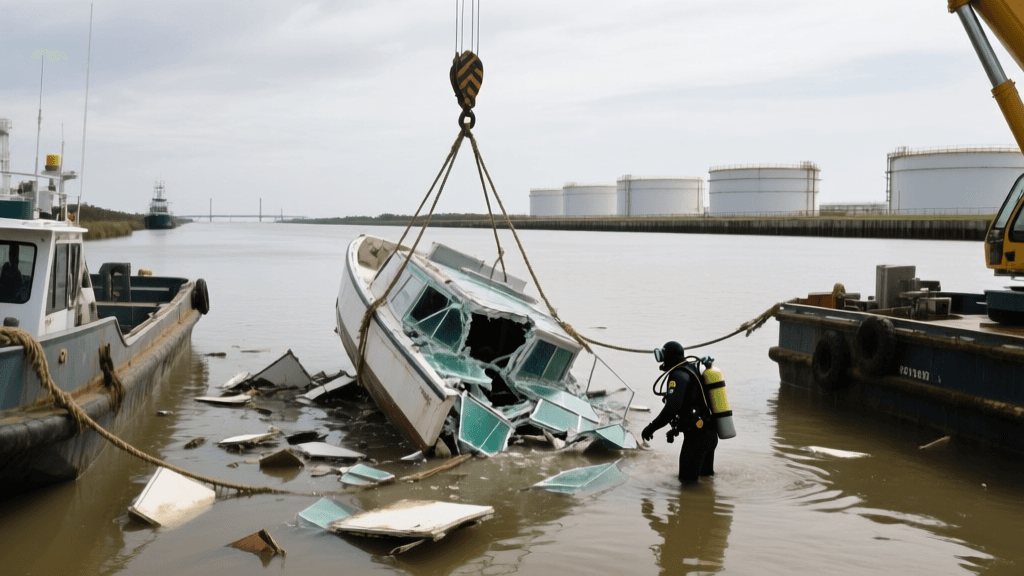
A boat that sinks, breaks apart, or becomes a hazard after a collision can create costs beyond repairing or replacing the vessel. Recovery crews may need to lift it from the water, tow it to shore, and transport or dispose of damaged materials. In Beaumont, boaters may use the Neches River, nearby waterways, and launch points that connect to the wider Sabine-Neches system, where location and access can affect how recovery is performed. Ask your insurer or policy representative exactly how wreck removal is addressed before a claim occurs. This guide explains the key questions to put on your checklist, so you can understand the wording, limits, and steps that may apply.
Wreck Removal Is Not Always the Same as Boat Repair
A policy may pay for covered physical damage to the boat while treating wreck removal as a separate coverage, limit, or expense. The policy might use terms such as salvage, recovery, removal of wreck, or disposal, and the precise wording matters. Ask whether removal is included within the boat’s agreed value or actual cash value, provided as an additional benefit, or subject to a separate dollar cap. Also ask whether that cap applies per incident or across the policy period. For example, a vessel with substantial hull damage could have one set of repair costs and separate crane, diver, transport, and disposal charges. Knowing how each category is classified helps prevent assumptions when reviewing a settlement.
Find Out Which Causes of Loss Qualify
Ask which events can trigger wreckage removal coverage and whether the cause must also be covered under the physical damage section. Collision, fire, wind, and sinking may be treated differently depending on the contract, endorsements, and exclusions. A boat that takes on water while unattended at a dock may raise different questions from one damaged in a sudden collision while underway. Ask how the policy addresses negligence, wear and tear, mechanical breakdown, inadequate maintenance, or damage during transport. Do not rely on a general description such as “comprehensive coverage”; request the actual policy language or written clarification. If your boat is used in different seasons or stored at different locations, ask whether those circumstances affect covered causes or required precautions.
Ask About Limits, Deductibles, and Who Pays First
Ask for the maximum amount available specifically for wreck removal, and whether that amount is reduced by payments for hull repairs, towing, or other covered expenses. Confirm whether a deductible applies to the removal charge and whether the limit is enough for the size and location of your boat. A small runabout in an accessible area may require a different recovery plan from a larger vessel lodged in a difficult-to-reach channel. Clarify whether the insurer pays approved vendors directly, reimburses you after payment, or evaluates invoices as part of the claim. These details matter if a salvage operator requests a deposit or immediate authorization. Keep the answer with your policy documents and make a note of the contact process for after-hours incidents.
Get Clear on Consent and Emergency Decisions
Before authorizing non-emergency work, ask who must approve the salvage company, scope of work, and estimated price. Policies may require prompt notice or insurer consent for expenses, while a delay could allow a vessel to drift, sink further, or create a navigation hazard. Ask what to do when immediate action is needed and the claims team cannot be reached. A useful response should explain how to document the emergency, which reasonable steps you may take to protect people and property, and how to preserve receipts and communications. Avoid assuming that every service arranged independently will automatically be reimbursed. If possible, record the boat’s location, take photographs from a safe position, and note the names and arrival times of responders and vendors.
Clarify Disposal and Environmental Expenses
Removal may not end when the boat reaches shore. The wreck could need to be transported, stored, dismantled, or disposed of, and damaged fuel tanks, batteries, oil, or other materials may require careful handling. Ask whether the policy covers hauling and disposal, temporary storage, environmental cleanup, or expenses imposed by a public authority. Find out whether these costs share the wreck-removal limit or fall under separate terms. Also ask what happens if the boat is considered a total loss and cannot reasonably be repaired. The final invoice may contain several distinct services, so request an itemized estimate and keep any permits, inspection records, and disposal receipts. Coverage depends on the contract and facts of the loss, so obtain a written explanation rather than relying on assumptions.
Local Considerations for Beaumont Boat Owners
For Beaumont boaters, recovery logistics can depend on where an incident occurs, how accessible the vessel is, and whether current, weather, or nearby commercial activity affects the work. A boat kept near Beaumont may be used across waterways reaching Port Arthur, Orange, Vidor, or other Southeast Texas communities, so ask whether your policy territory covers the places you actually travel. If a wreck threatens navigation or public safety, authorities may direct or require action; ask how the policy responds to legally required removal and what documentation is needed. Local launch conditions and the distance to suitable service providers can also influence costs. Do not assume a local recovery estimate represents every possible incident—discuss your boat’s size, storage location, and typical routes when reviewing the coverage.
A Practical Checklist for Your Policy Review
Questions to Put in Writing
- Is wreck removal included in the policy, and is it separate from hull damage coverage?
- What is the per-incident limit, does a deductible apply, and can other claim payments reduce that limit?
- Which causes of loss qualify, and what exclusions or conditions could affect payment?
- Who approves the salvage contractor and estimate, especially when emergency action is necessary?
- Are towing, lifting, transport, storage, disposal, and environmental cleanup treated separately?
- What evidence, invoices, notices, and claim forms are required to support reimbursement?

What to Do Before You Need to File a Claim
Review the declarations page, endorsements, and full policy wording, then ask for clarification on any language about salvage, wreck removal, towing, and disposal. Save the insurer’s claims number and after-hours contact information with your registration and vessel details. Keep current photographs, identification numbers, maintenance records, and a simple inventory of equipment where they can be accessed if the boat is damaged. If comparing policies, compare the actual removal limits and approval rules rather than price alone. For a specific incident, follow safety instructions and directions from appropriate authorities, notify the insurer promptly, and document reasonable emergency actions. A coverage explanation is not a guarantee of payment; the insurer evaluates each claim under the policy and the facts involved.
Review Your Boat Policy Before the Next Trip
Compare wreck-removal limits, covered expenses, and approval steps so you know what questions to raise about your Beaumont-area boating coverage.
Get a Free Quote